
Skip to content
  • Explore
    • Project
    • FAQ
    • Donate
  • Explore
    • Project
    • FAQ
    • Donate
EN
EN
EN
EN
  • Explore
    • Donate
    • FAQ
    • Project
  • Explore
    • Donate
    • FAQ
    • Project

No Wildlife,
No Experience.

[Watch the full video]

Scroll to find out more

This isn’t just about nature

disappearing.

It’s your dream dive, your trekking

adventure, your story; all at risk of

fading away.

It’s your dream dive, your trekking adventure, your story; all at risk of fading away.

When wildlife is gone,

so is the experience.

Wildlife is vanishing. In just 50 years, monitored global wildlife populations have declined by 73%, and with them, the wild places we love.

▼ 0 %

decline in monitored global wildlife populations.

Hover to Reveal

In Southeast Asia, forests are falling, coral reefs are fading, and iconic species are disappearing.

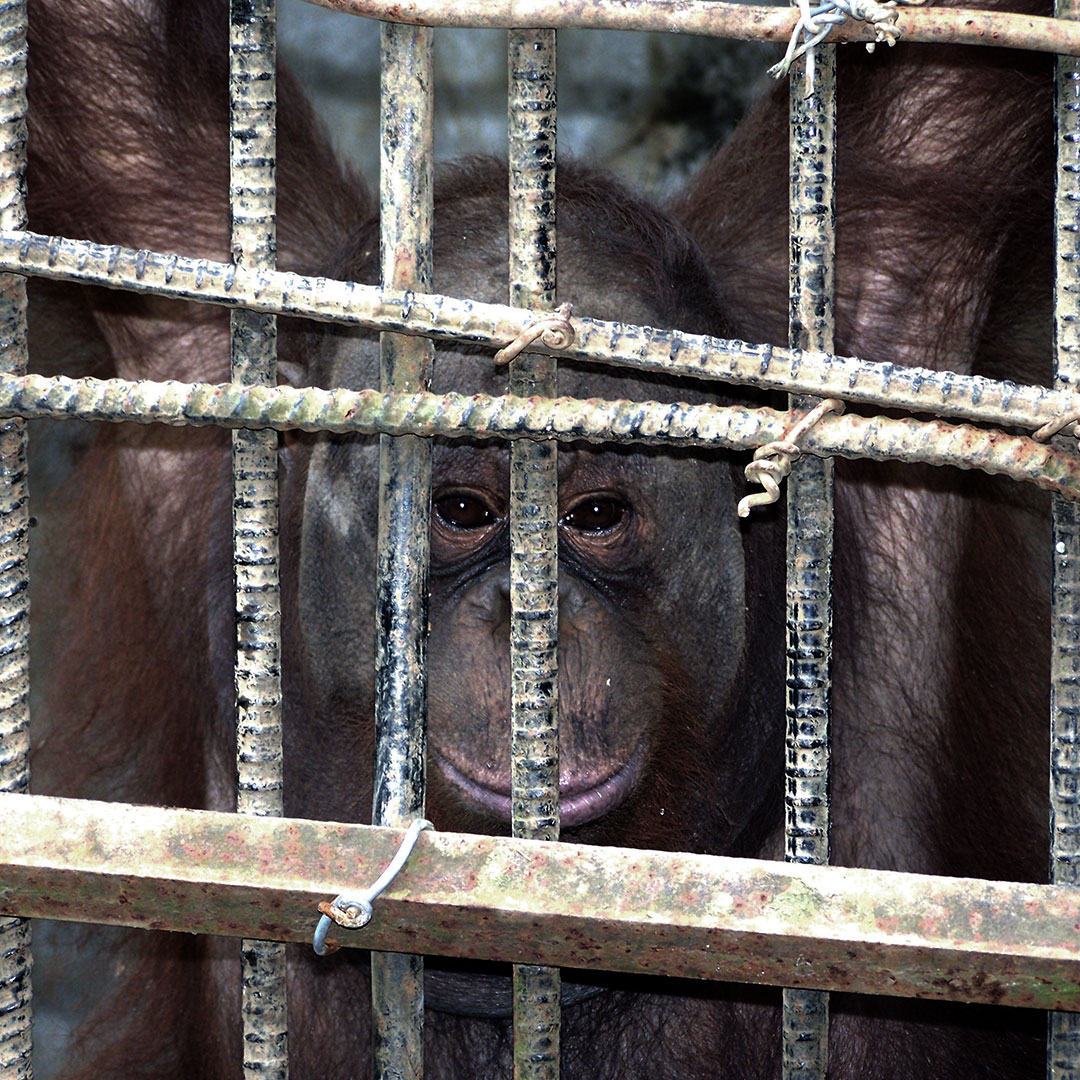
Sumatran Orangutan (Critically Endangered)

Less than 14,000 remain

Donate now
Tap to Reveal

These losses don’t just affect nature, they endanger the legacy we hope to leave behind. Without urgent action, the next generation may never witness the wonders we’ve seen.

Nature is in crisis.
We must take action.

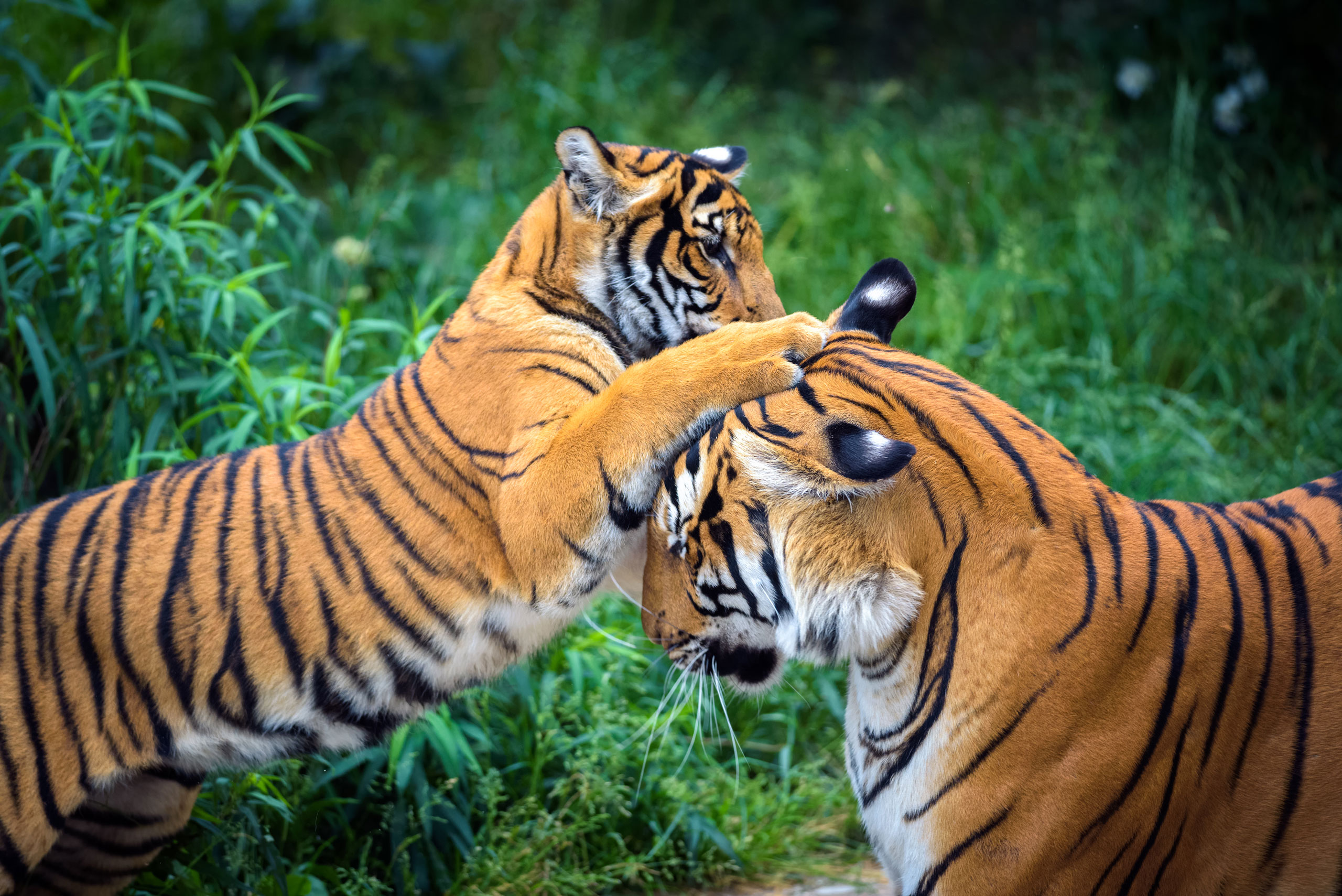
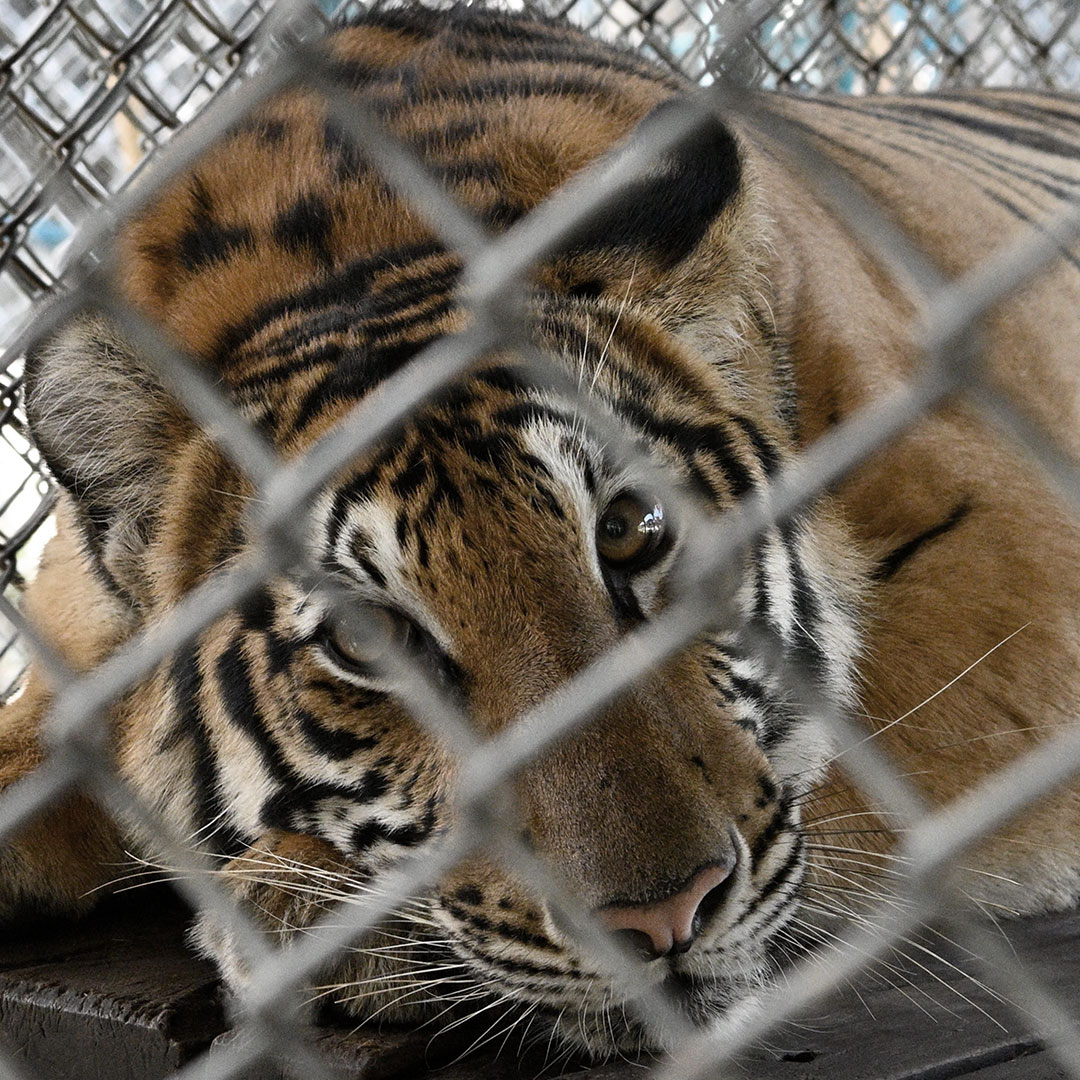
Malayan Tiger (Critically Endangered)

Less than 200 remain

Donate now

Hawksbill Turtle (Critically Endangered)

More than 80,000
killed each year

What’s disappearing
right now.

An estimated 42% of species in the region is at risk of being lost by 2100.

What’s disappearing right now.

An estimated 42% of species in the region is at risk of being lost by 2100.

Forests

Oceans

Wildlife

Climate

Our forests are falling

Southeast Asia holds nearly 15% of the world’s tropical forests, home to endangered species and one of our strongest natural defences against climate change. Even in highly urbanised cities like Singapore, pockets of biodiversity persist, reminding us of the region’s ecological richness and the importance of conservation. 

These forests store carbon, regulate weather, and support countless lives. But the region is also a deforestation hotspot. 

Click to see threats

Donate now

Deforestation

Forests are cleared to make way for agriculture, industry and development, displacing wildlife and threatening their very existence.

Invasive species

Non-native plant and animals are outcompeting native wildlife, disrupting ecosystems, and degrading the natural balance that species rely on for survival.

Forest fires

Often sparked by land clearing for agriculture, forest fires are exacerbated by climate patterns like El Niño, destroying habitats and leading to a decline in biodiversity.

Donate now

What’s disappearing right now.

An estimated 42% of species in the region is at risk of being lost by 2100.

Forests

Oceans

Wildlife

Climate

Our coral reefs are fading

Coral reefs are among the most diverse ecosystems in Southeast Asia, supporting over 600 species of corals and more marine life than anywhere else on Earth.

They act as lifelines for millions: with around 850 million people living within 100 kilometres of reef, many relying on them for food, livelihoods, coastal protection, and tourism. But nearly 95% of reefs in the region are under threat from overfishing, pollution and coastal development.

Click to see threats

Donate now

Pollution

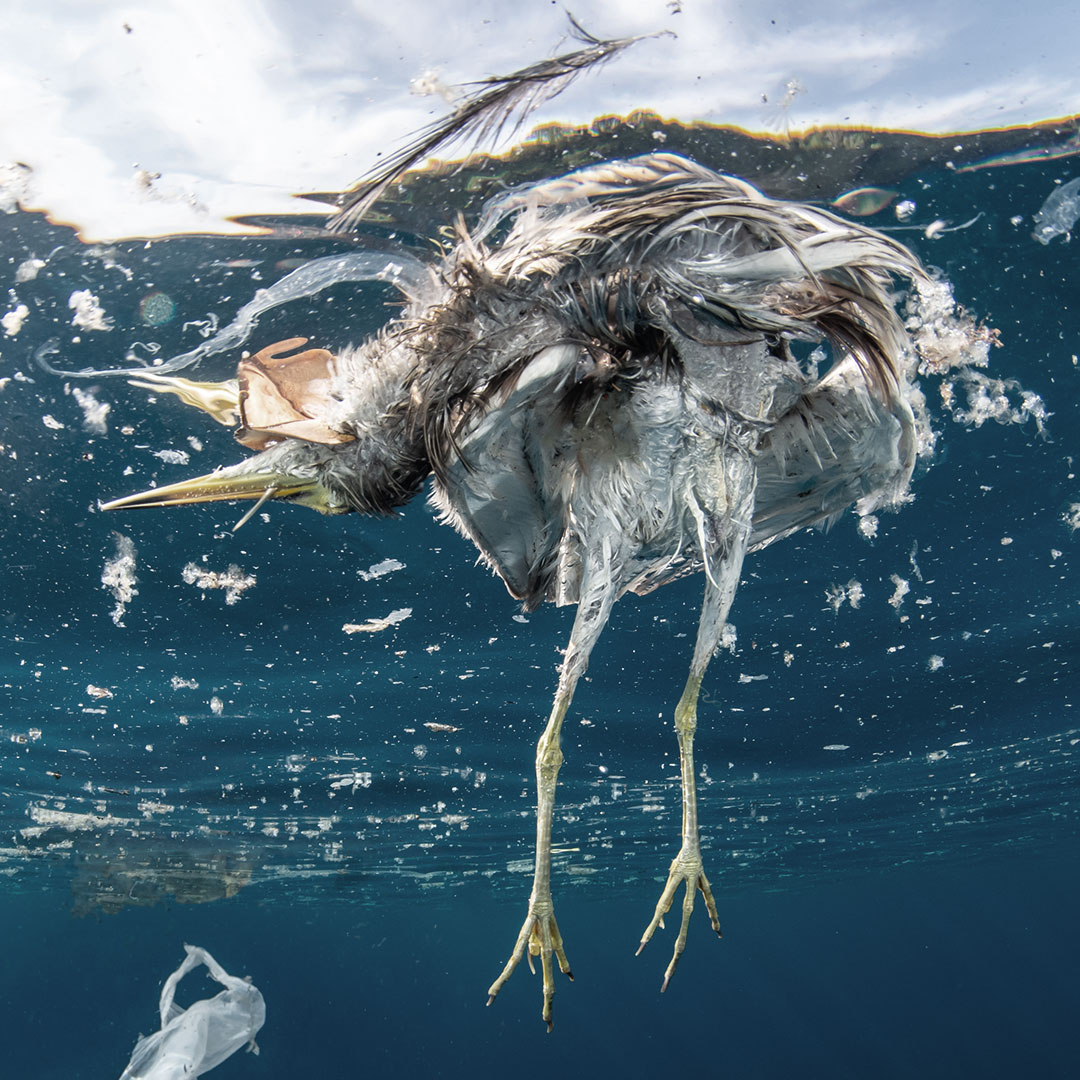
Plastic waste and land-based pollution including agricultural runoff is choking our oceans, poisoning habitats, and harming biodiversity.

Ocean warming

Rising ocean temperatures are driving mass coral bleaching, altering habitats and pushing countless marine species past their limits for survival.

Overfishing

Unsustainable fishing is depleting marine life faster than it can recover, disrupting food chains and threatening the survival of countless ocean species.

Donate now

What’s disappearing right now.

An estimated 42% of species in the region is at risk of being lost by 2100.

Forests

Oceans

Wildlife

Climate

Our biodiversity is vanishing

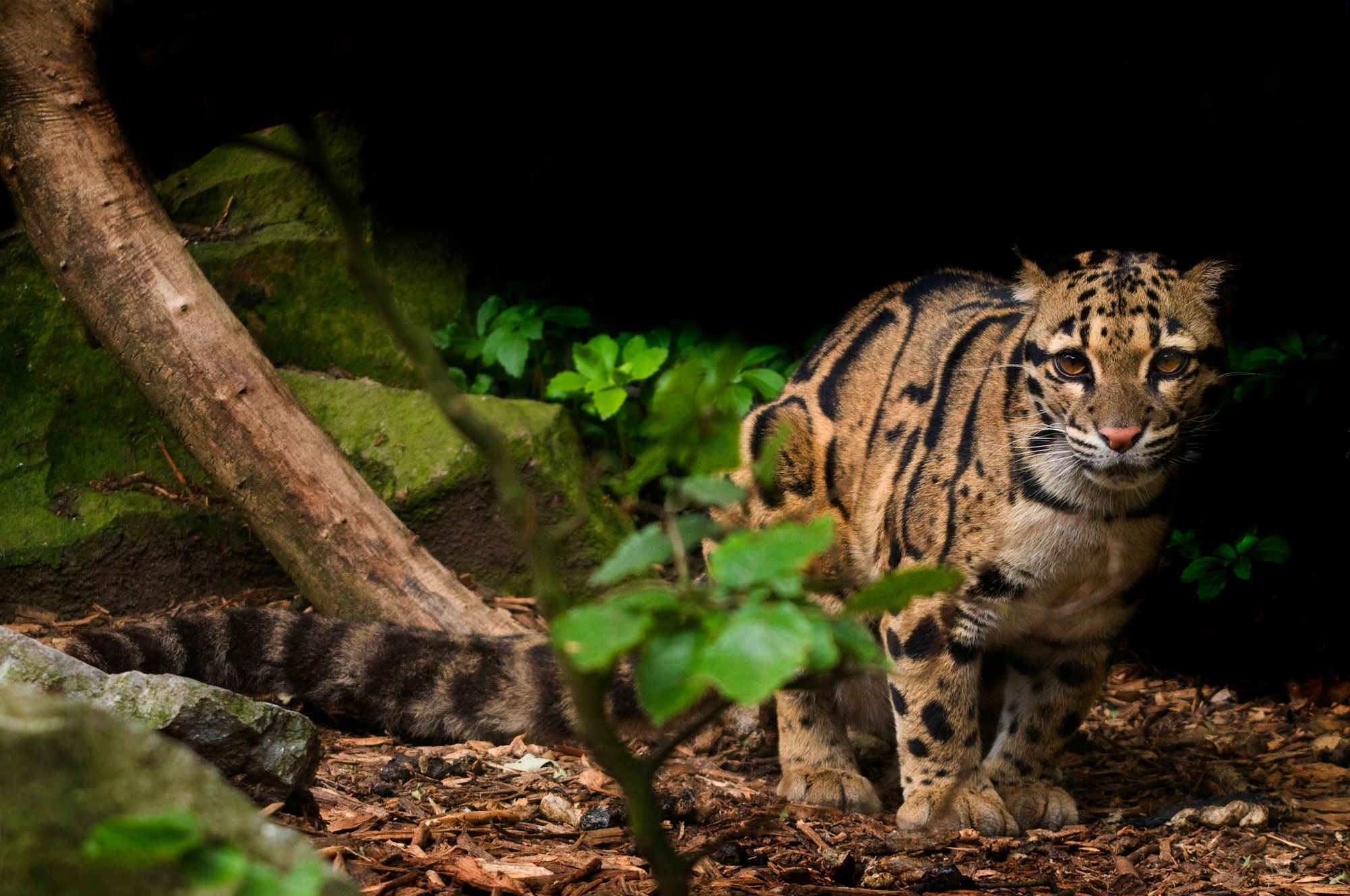
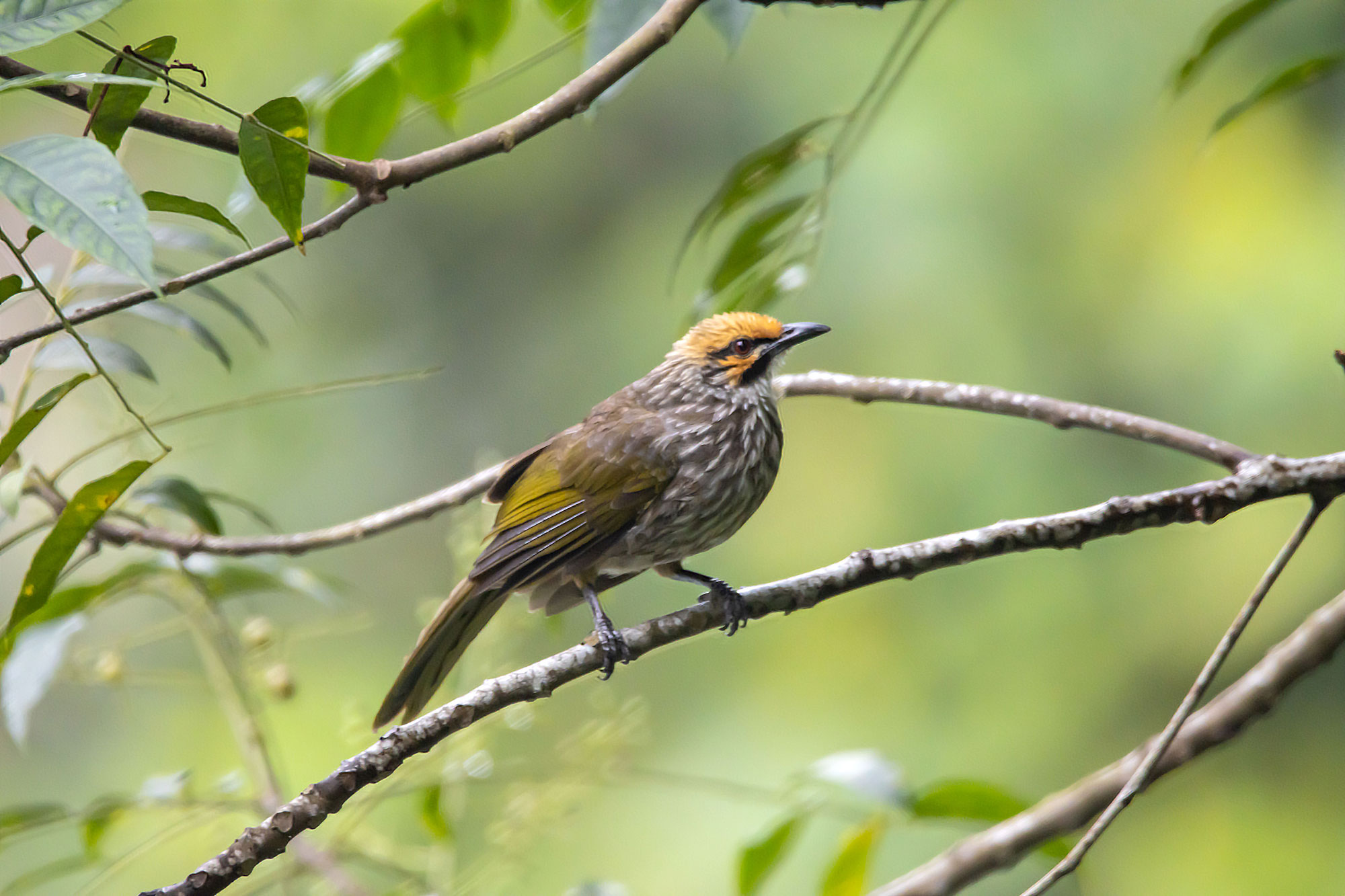
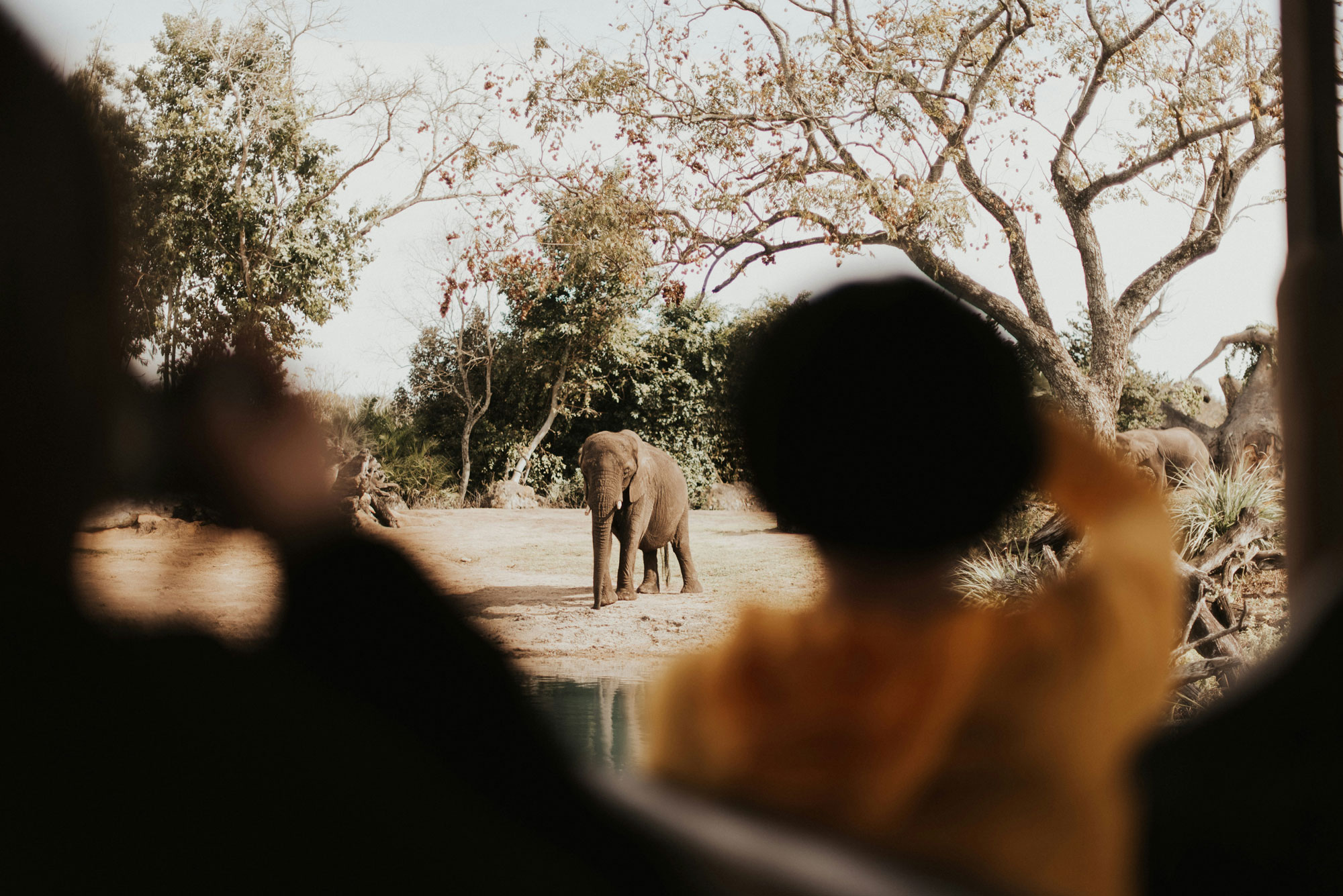
Southeast Asia is home to some of the planet’s most iconic and endangered species; from elephants and orangutans to pangolins and hornbills.

Yet their survival is increasingly threatened, not only by deforestation, and urban expansion, but also by the illegal wildlife trade. Poaching and trafficking are driving many endangered species closer to extinction. Without action, almost half of the region’s biodiversity could vanish by 2100.

Click to see threats

Donate now

Illegal wildlife trade

The trade fuels poaching and trafficking, contributing to species decline and threatening already endangered species such as the Sunda pangolin.

Habitat loss

Across forests, reefs, wetlands or mangroves, the story is the same: habitats are disappearing, and so is the wildlife that calls them home.

Human-wildlife conflict

With human development encroaching on wild spaces, encounters with animals increase, often with negative impacts such as injury or death on wildlife.

Donate now

What’s disappearing right now.

An estimated 42% of species in the region is at risk of being lost by 2100.

Forests

Oceans

Wildlife

Climate

Our climate is changing

Southeast Asia is on the frontlines of the climate crisis. Climate-related disasters and extreme weather are becoming more frequent, threatening not just livelihoods but also lives of many in the region, particularly those from coastal cities and island communities.

Over 100 million people in the region hold jobs directly tied to nature. Nature-based solutions are key to restoring the environment and buffer the communities against climate impacts. Protecting nature is essential for a climate-secure future.

Click to see threats

Donate now

Rising temperatures

Southeast Asia is particularly vulnerable to warming temperatures, which can impact agriculture, food security, water resources, public health and infrastructure.

Extreme weather events

More frequent and intense heatwaves, extreme rainfall and flooding are becoming common, causing significant disruption, economic losses and posing serious risks to human lives and livelihoods.

Sea level rise

With millions of people living across numerous coastal cities like Singapore, sea level rise poses significant challenges to infrastructure, ecosystems and livelihoods, potentially leading to mass displacement and economic instability.

Donate now

Forests

Southeast Asia holds nearly 15% of the world’s tropical forests, home to endangered species and one of our strongest natural defences against climate change. Even in highly urbanised cities like Singapore, pockets of biodiversity persist, reminding us of the region’s ecological richness and the importance of conservation.

These forests store carbon, regulate weather, and support countless lives. But the region is also a deforestation hotspot. 

Oceans

Coral reefs are among the most diverse ecosystems in Southeast Asia, supporting over 600 species of corals and more marine life than anywhere else on Earth.

They act as lifelines for millions: with around 850 million people living within 100 kilometres of reef, many relying on them for food, livelihoods, coastal protection, and tourism. But nearly 95% of reefs in the region are under threat from overfishing, pollution and coastal development.

Wildlife

Southeast Asia is home to some of the planet’s most iconic and endangered species; from elephants and orangutans to pangolins and hornbills.

Yet their survival is increasingly threatened, not only by deforestation, and urban expansion, but also by the illegal wildlife trade. Poaching and trafficking are driving many endangered species closer to extinction. Without action, almost half of the region’s biodiversity could vanish by 2100.

Climate

Southeast Asia is on the frontlines of the climate crisis. Climate-related disasters and extreme weather are becoming more frequent, threatening not just livelihoods but also lives of many in the region, particularly those from coastal cities and island communities. 

Over 100 million people in the region hold jobs directly tied to nature. Nature-based solutions are key to restoring the environment and buffer the communities against climate impacts. Protecting nature is essential for a climate-secure future.

Deforestation

Forests are cleared to make way for agriculture, industry and development, displacing wildlife and threatening their very existence.

Invasive species

Non-native plant and animals are outcompeting native wildlife, disrupting ecosystems, and degrading the natural balance that species rely on for survival.

Forest fires

Often sparked by land clearing for agriculture, forest fires are exacerbated by climate patterns like El Niño, destroying habitats and leading to a decline in biodiversity.
Where your gift goes

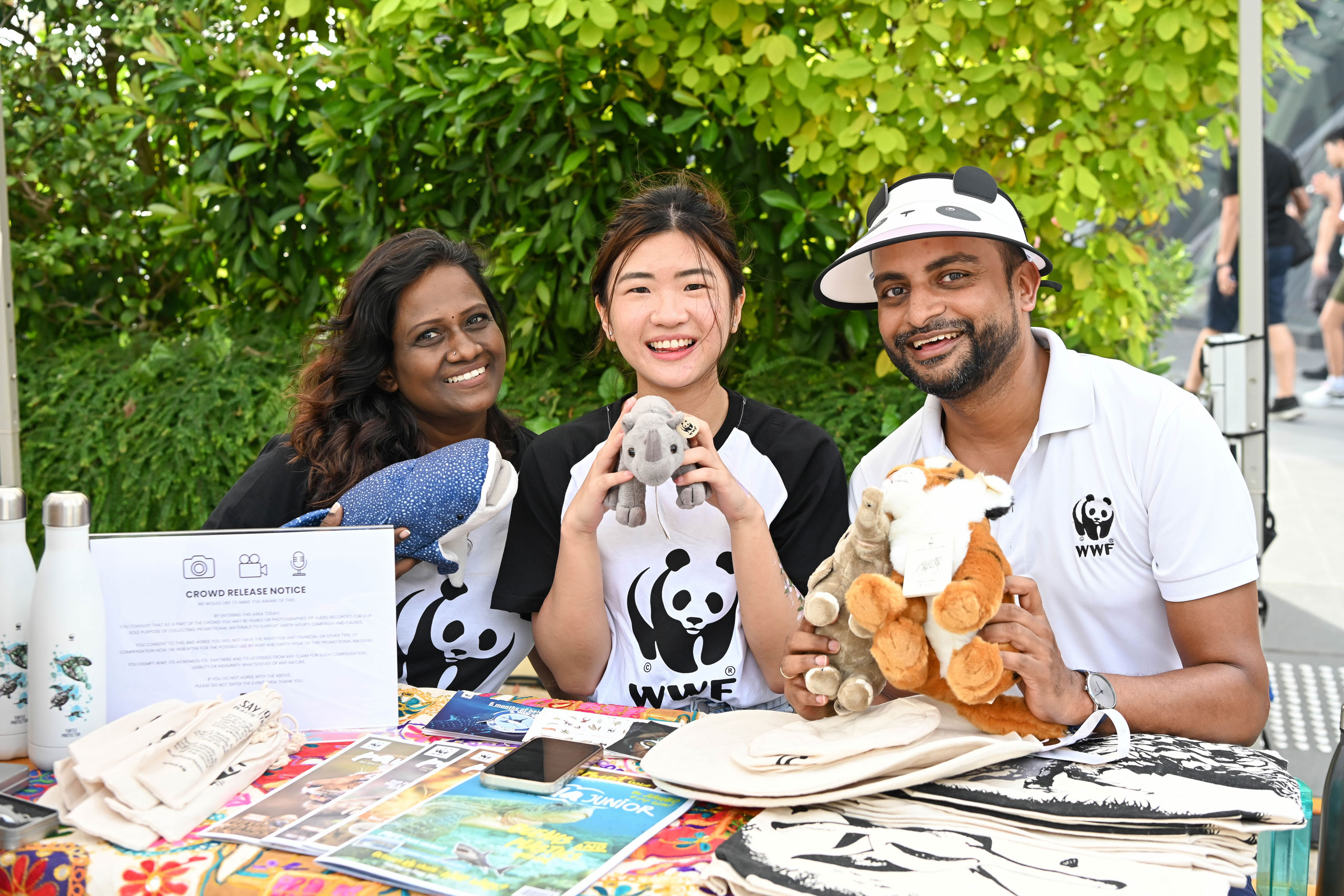
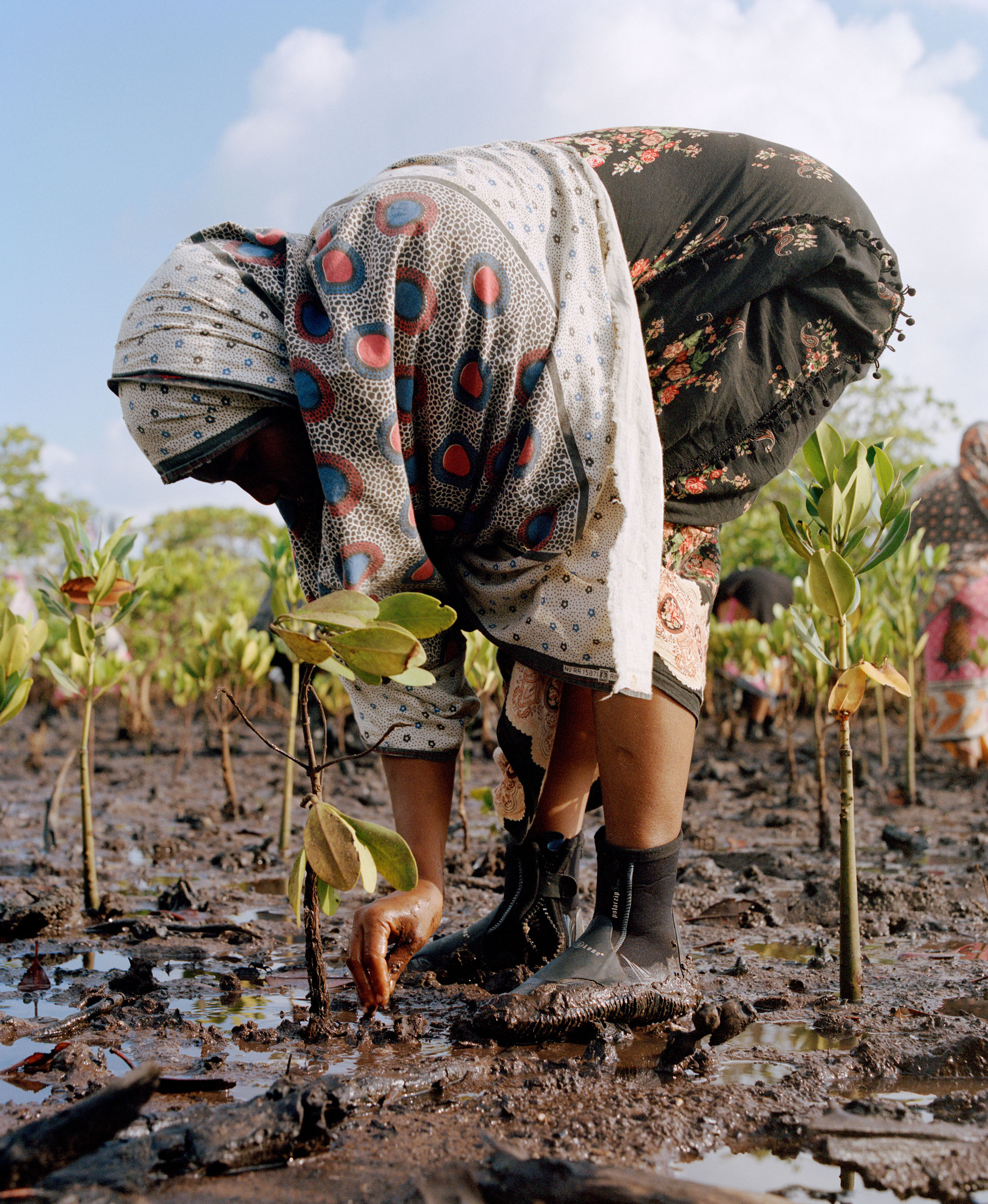
Every dollar donated powers WWF-Singapore’s conservation work: protecting species, restoring habitats, and supporting communities on the ground.

We work with individuals, companies, institutions and governments to create lasting change for nature, because only collective action can drive real impact.

Where your gift goes

Every dollar donated powers WWF-Singapore’s conservation work: protecting species, restoring habitats, and supporting communities on the ground.

Our collective goal

Goal 1

Eliminate loss of natural habitat

Stop the loss of vital ecosystems in our region.

Goal 2

Eliminate human-induced extinction

Protect species from the threat of extinction driven by human actions.

Goal 3

Halve the footprint of production and consumption

Champion sustainable practices and a circular economy.

Goal 1

Eliminate loss of natural habitat

Stop the loss of vital ecosystems in our region.

Goal 2

Eliminate human-induced extinction

Protect species from the threat of extinction driven by human actions.

Goal 3

Halve the footprint of production and consumption

Champion sustainable practices and a circular economy.

We work with individuals, companies, institutions and governments to create lasting change for nature, because only collective action can drive real impact.

Find out more about WWF-Singapore’s work here:

Click to see projects

There is still hope

A second chance for tigers

In Malaysia’s Belum-Temengor Forest, less than 150 Malayan tigers remain: only a shadow of their former population strength. Poaching has pushed this iconic big cat to the brink, but hope endures.

With our donors’ support, anti-poaching patrols and surveillance are safeguarding this last stronghold. Since 2020, 17 tiger cubs have been recorded: proof that, with protection, Malayan tigers still have hope of a future.

Disclaimer: Facts are accurate at the time of publication, with data sourced from WWF-Singapore’s conservation team.

Help us make a difference


43 individuals identified within the Belum-Temengor Forest Complex

 

Over 500 camera traps within the forest to deter poaching and monitor tigers

 

17 tiger cubs recorded since 2020

Nature is in crisis, the threats are escalating.

We must act now.
Together, we can turn things around.

Support WWF-Singapore's conservation efforts

Help us achieve our funding goal

$ 1,464.00

Your gift will support nature conservation, environmental sustainability, and community education delivered by WWF-Singapore in Singapore.

Donate now