Every donation supports real conservation: protecting wildlife, restoring habitats, and helping communities thrive. Together, we’re protecting the wild places you love.
Explore the projects by theme below.
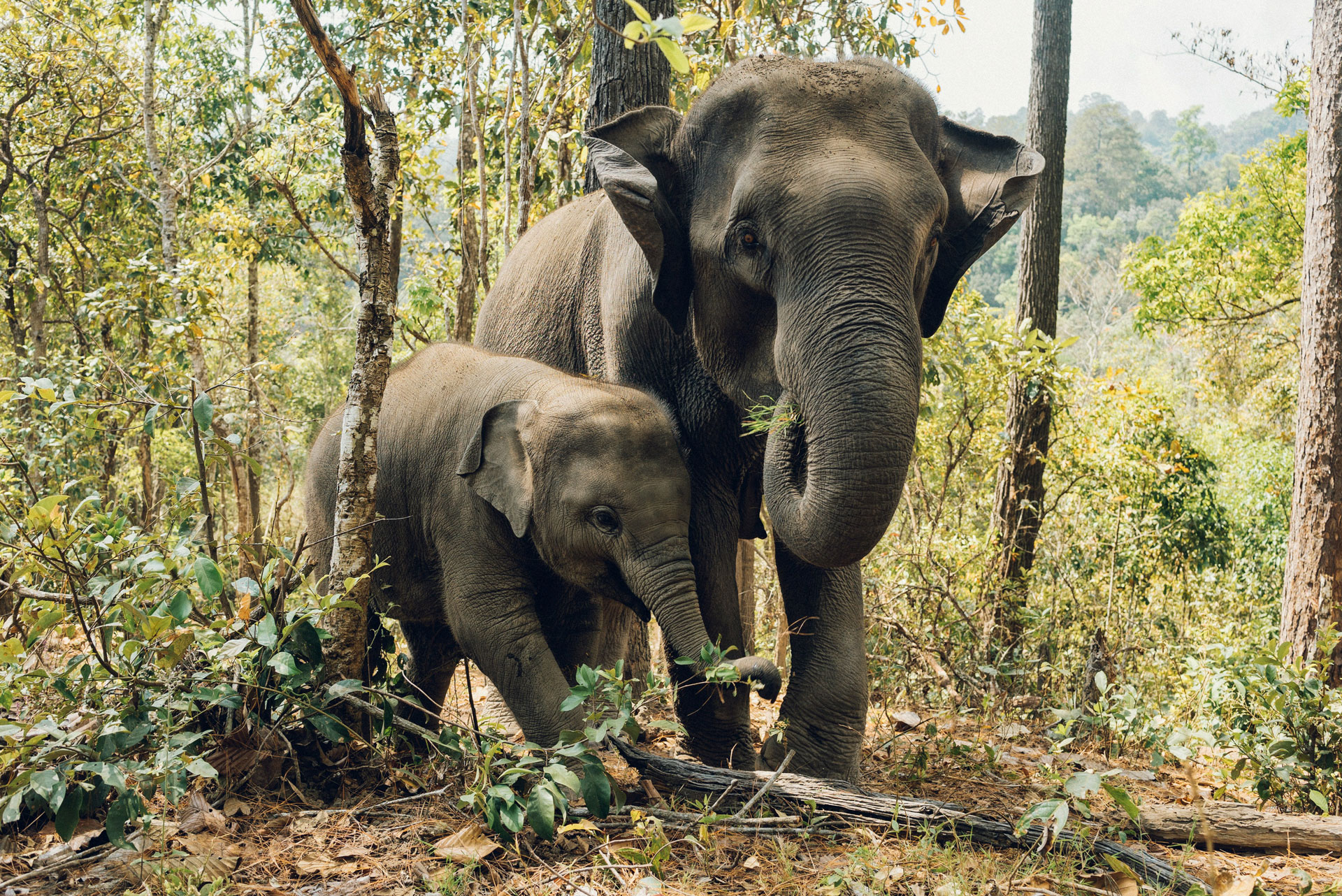
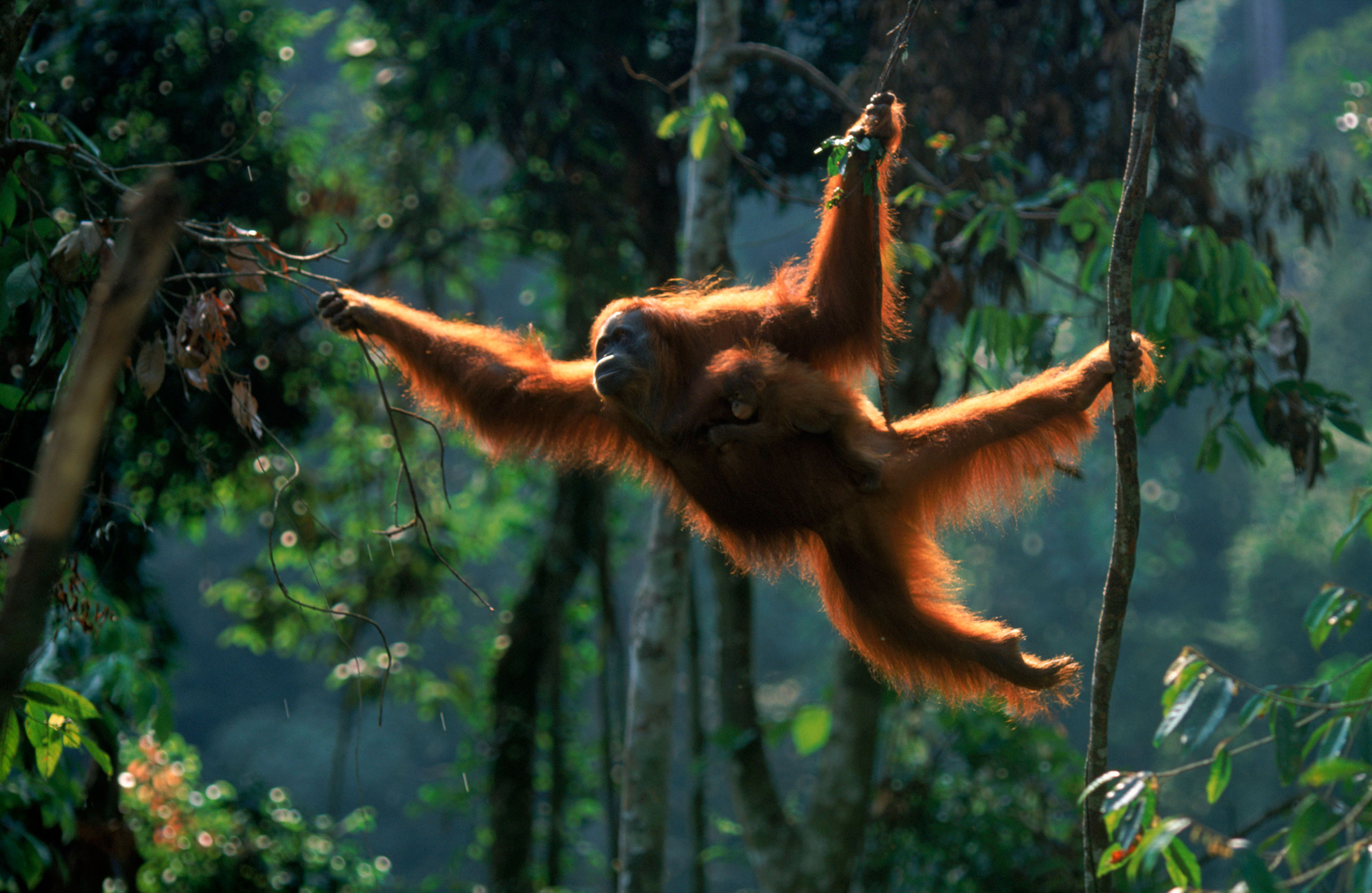
The Bornean rainforest of Sarawak, Malaysia is disappearing, and only around 2,500 critically endangered orangutans remain. WWF is working to reconnect fragmented habitats by restoring forest corridors between national parks; giving orangutans, proboscis monkeys and other wildlife a chance to move, feed and raise their young safely. A key part of this work is collaborating with local communities to grow native trees that support both biodiversity and sustainable livelihoods.
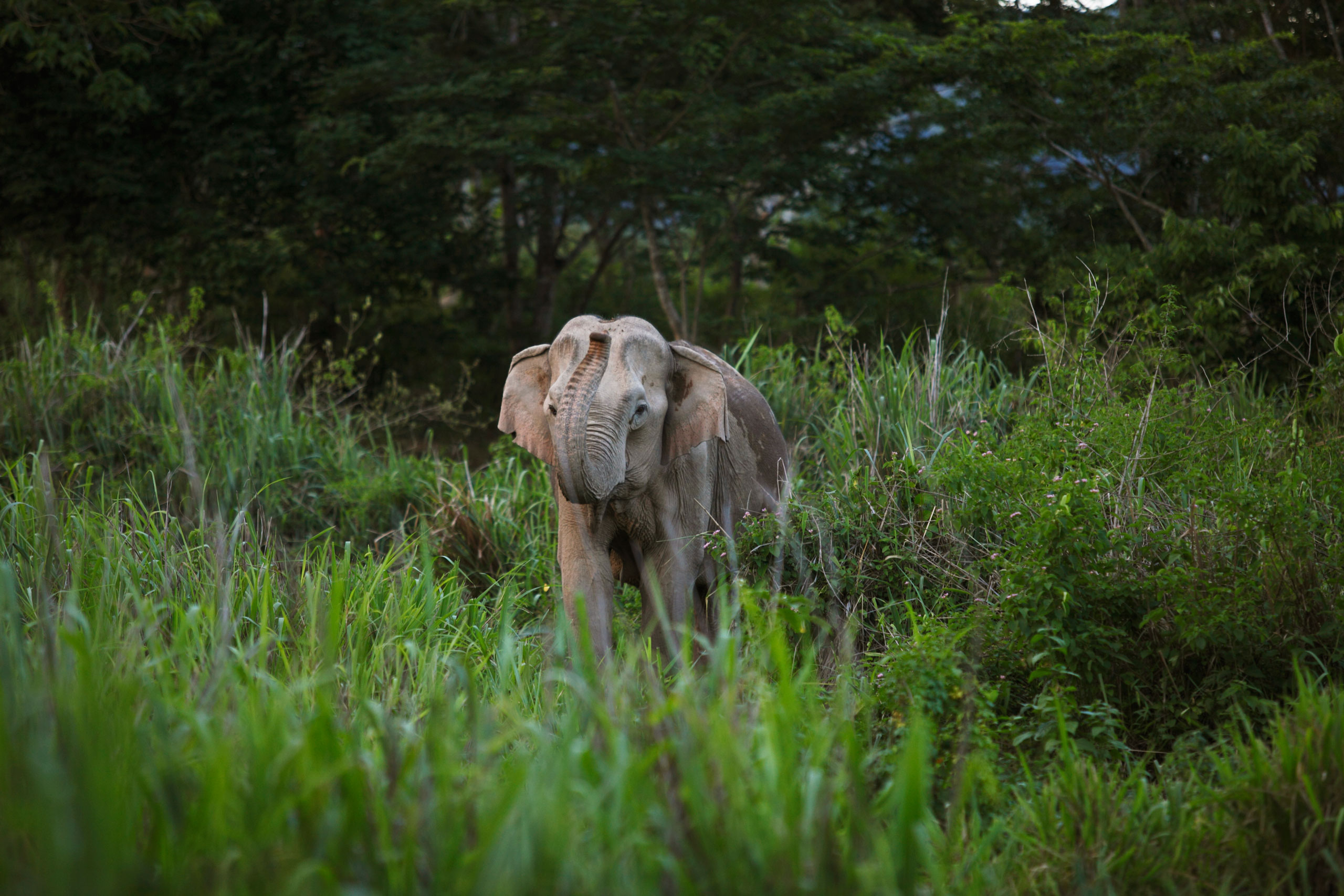
In Thailand’s Kui Buri National Park, elephants roam forest edges in search of food, often foraging farmlands and triggering human-wildlife conflict. WWF is working with local communities to reduce tensions by creating wildlife-friendly buffer zones and alternative water and feeding sources, helping elephants stay safely within protected areas. Together, we’re supporting both people and wildlife to live and thrive side by side.
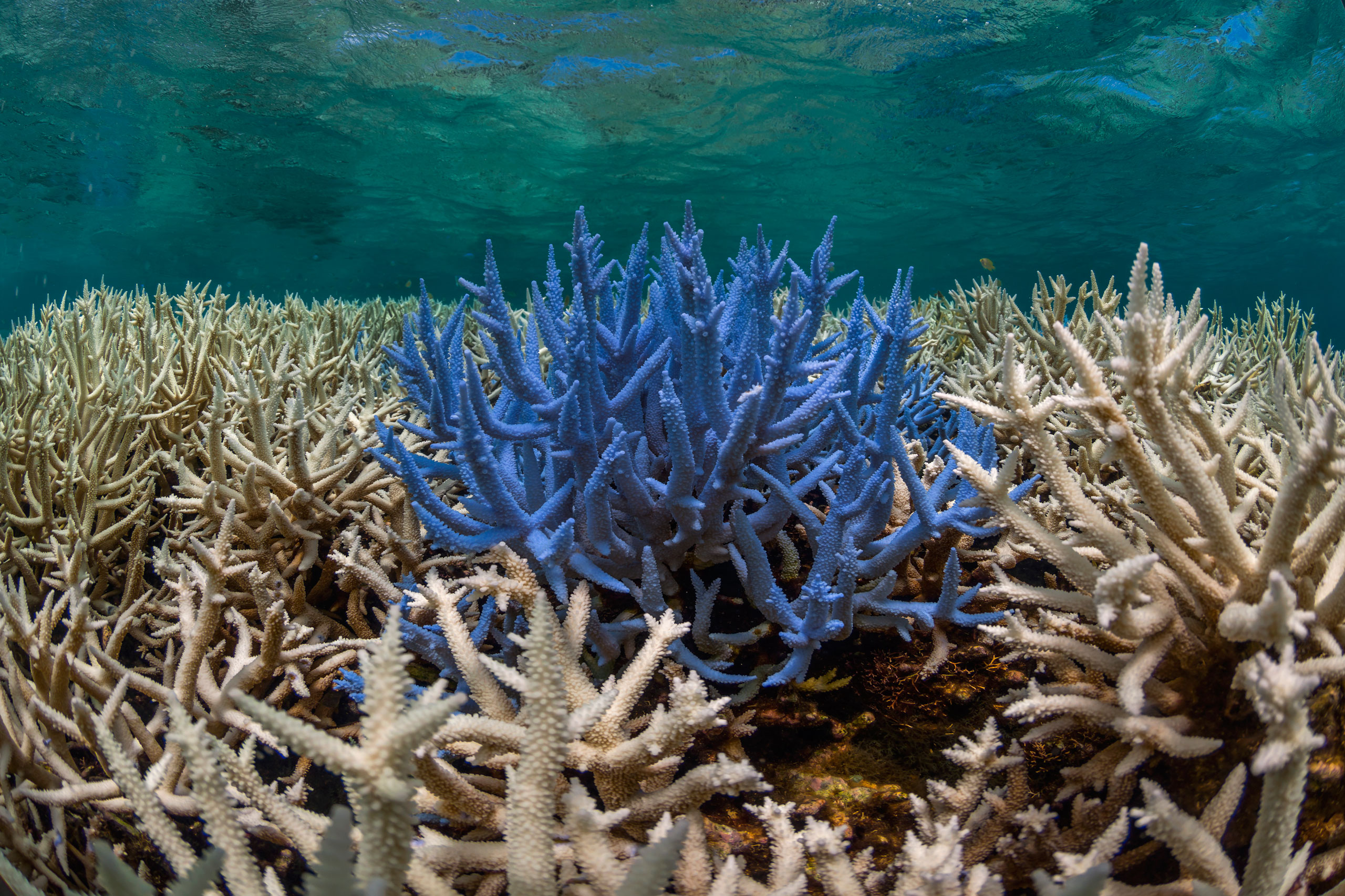
Reefs around Singapore’s Southern Islands are under pressure from rising sea temperatures and ongoing coastal activities, putting marine biodiversity at risk. In partnership with NUS’s Tropical Marine Science Institute, WWF-Singapore supports reef restoration research efforts to propagate and outplant low-light adapted coral species, aiming to boost coral cover in deeper waters and build more resilient reefs.
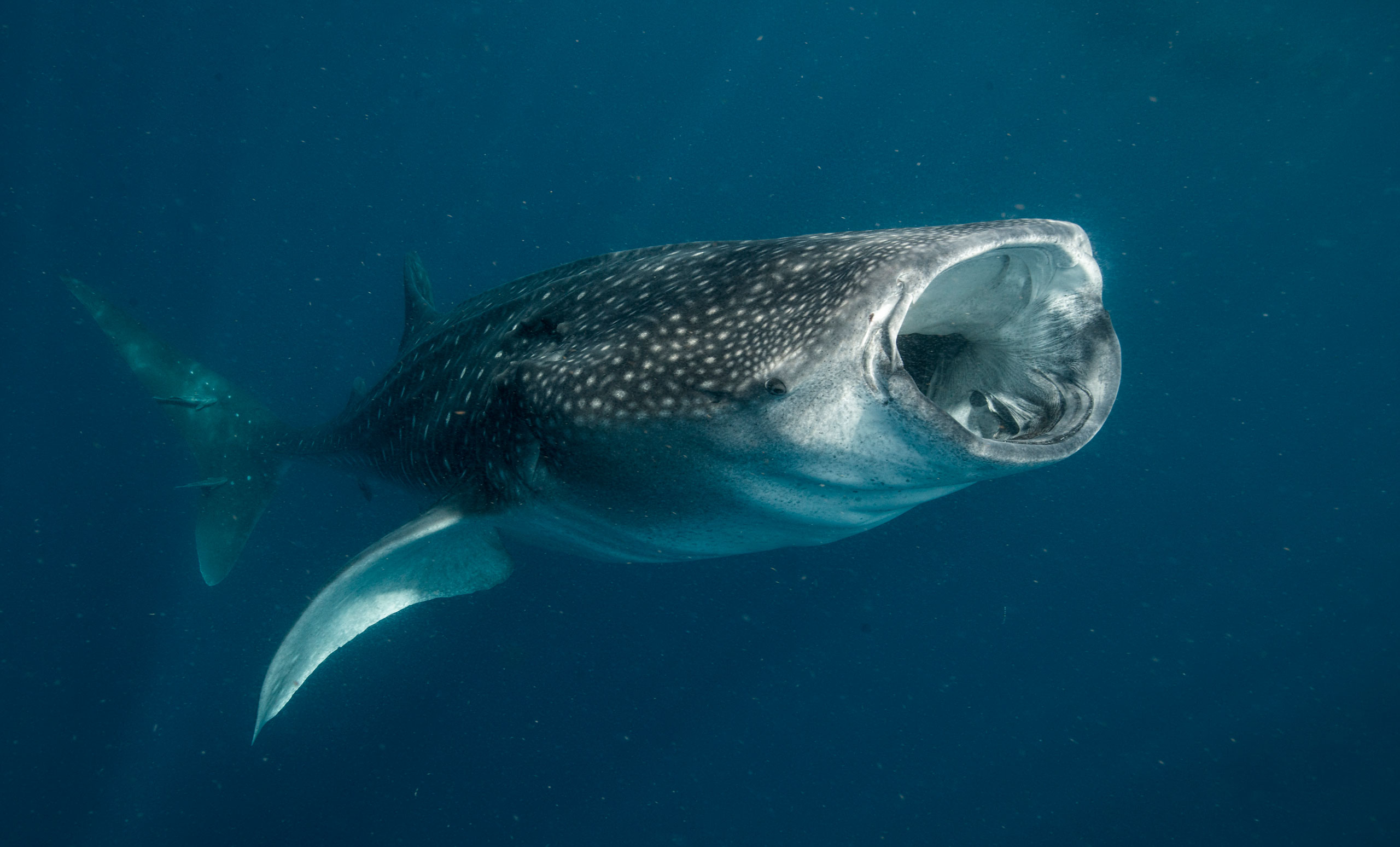
Each year, whale sharks return to the plankton-rich waters of Donsol, Philippines which supports both ecosystem health and local livelihoods. However, growing tourism and environmental pressures threaten their future. WWF works to protect their habitat, monitor their populations, and empower communities to safeguard this shared natural heritage.
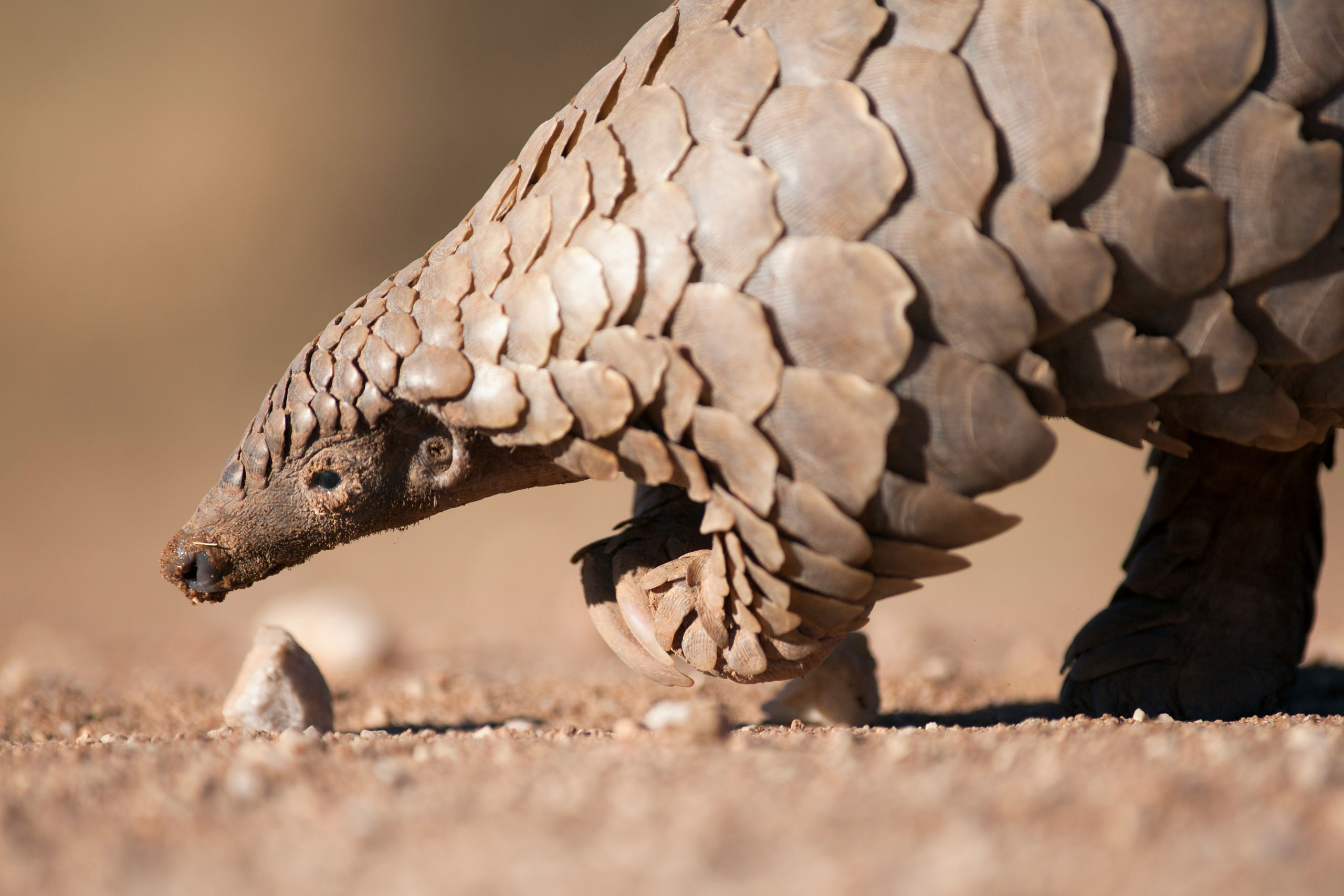
Behind every online listing for ivory, pangolin scales or exotic pets is a wild animal taken from its home. In Singapore, WWF’s Cyber Spotter programme empowers volunteers to take a stand against the illegal wildlife trade. Citizen scientists are trained to spot illegal wildlife products online and work with companies to take them down – disrupting the trade before it happens.
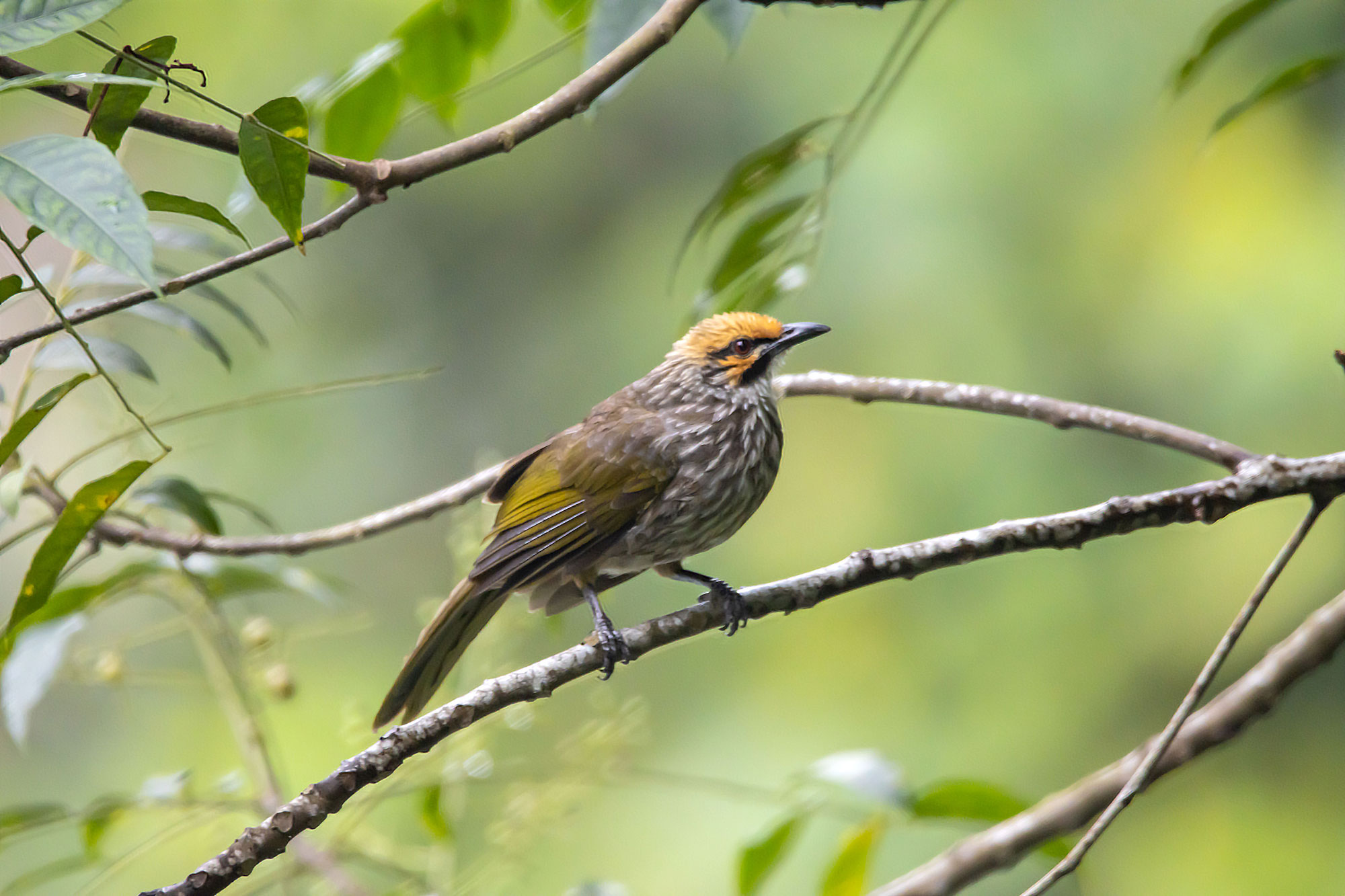
WWF-Singapore is working with the National Parks Board to study wild populations of the Straw-headed Bulbul. Our volunteers have undergone training to learn how to identify, track, and collect data points on these critically endangered songbirds. These citizen scientists then perform visual surveys to provide insights into their behaviour and ecology which can support conservation efforts.
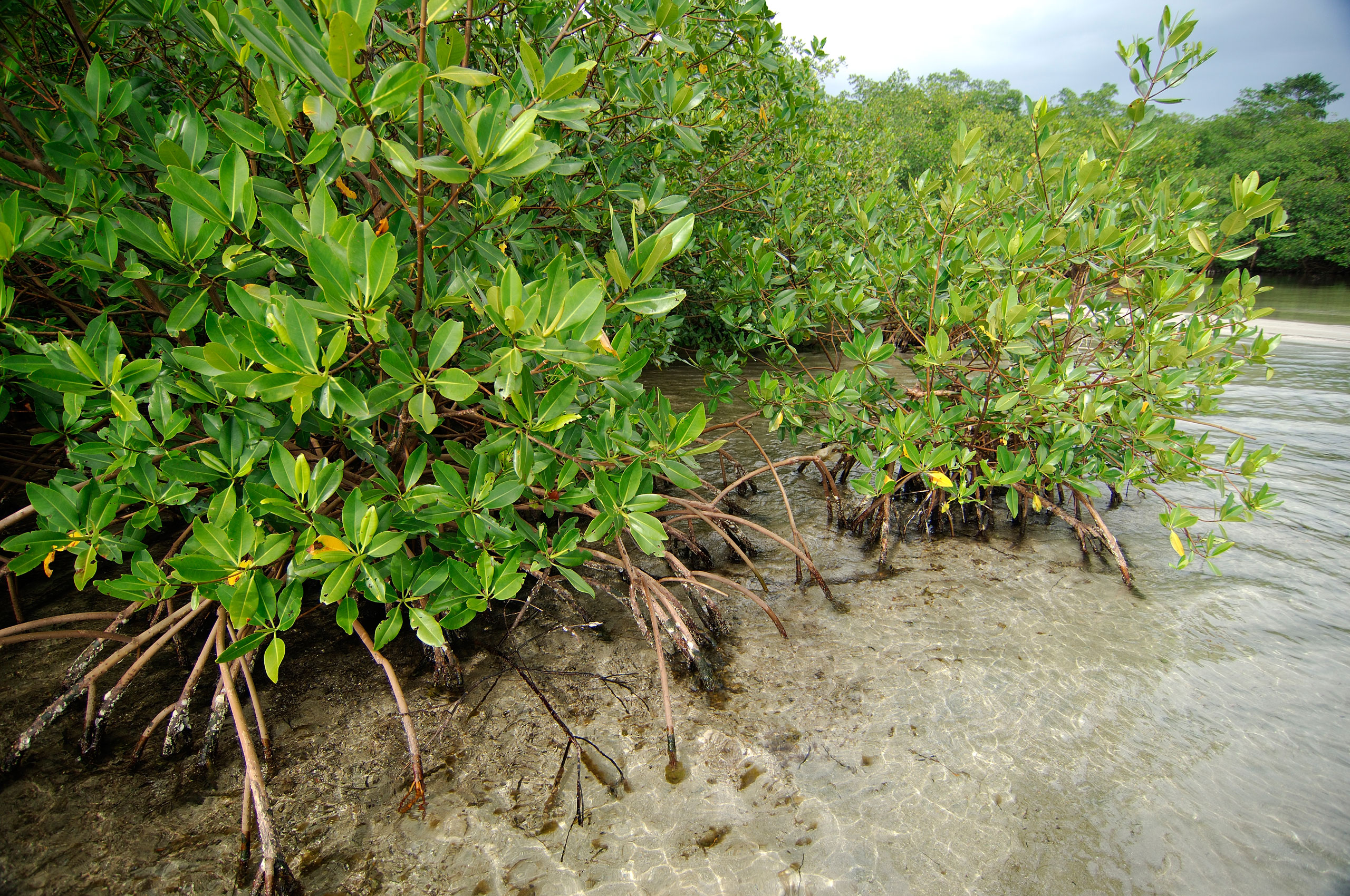
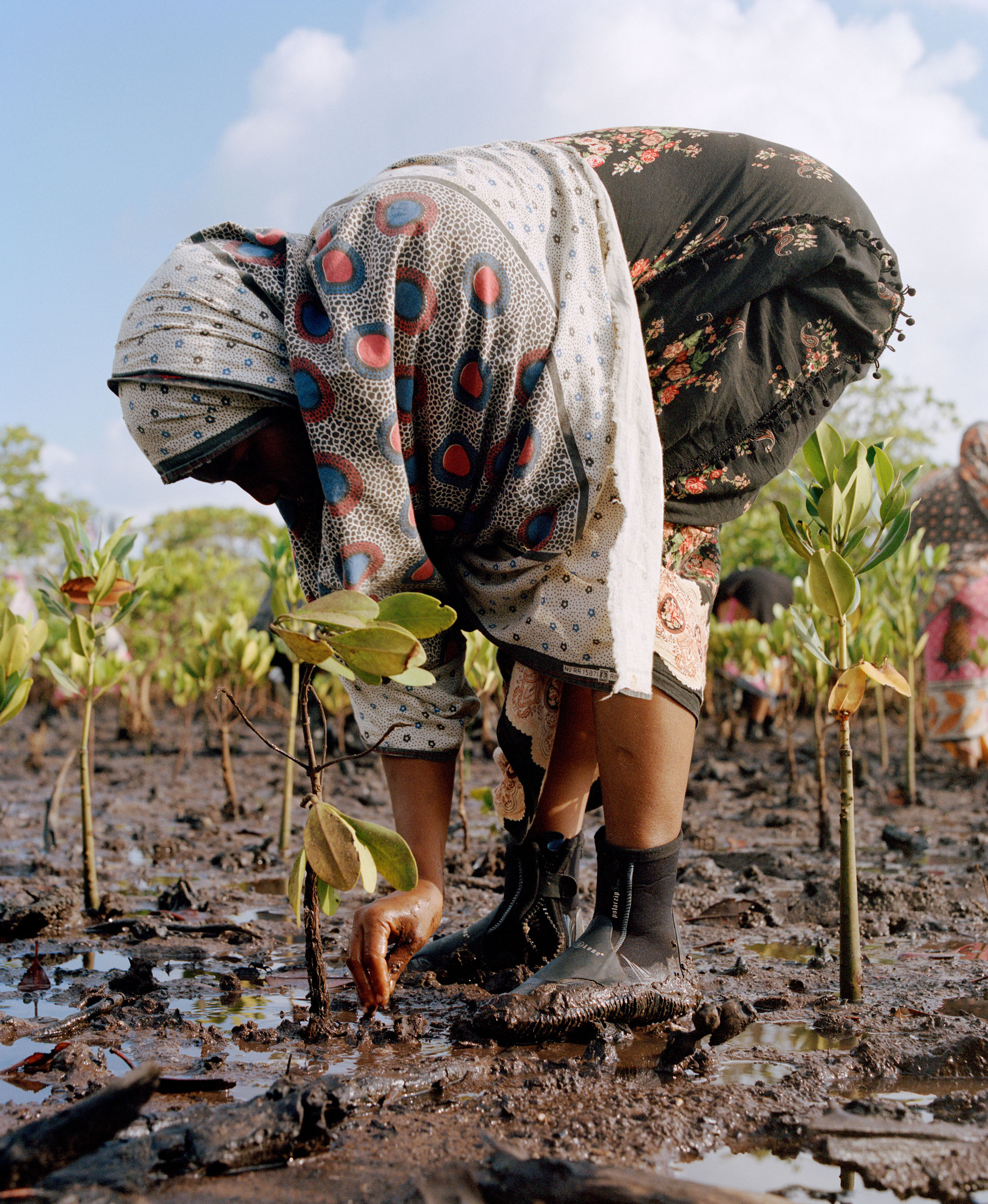
Southeast Asia’s mangroves are under serious threat – with over 1.3 million hectares at risk of being cleared due to agriculture and urban development. These blue carbon ecosystems absorb carbon faster than most forests, shield coastlines from extreme weather, and support millions of livelihoods.
WWF’s Blue Carbon Project partners with local communities to restore and protect mangrove habitats, leading to increased carbon capture, reduced flood risks, and sustainable coastal economies.

The Reusables in CBD project tackles the growing challenge of single-use plastics by piloting a convenient borrow-and-return system for food and beverage packaging in Singapore’s Central Business District. The project aims to provide consumers a fuss-free way to ditch single-use dabao containers and borrow reusable containers and return them at convenient return stations around CBD. This reduces plastic usage and pollution, and lowers the carbon footprint of takeaway meals.
The Bornean rainforest of Sarawak, Malaysia is disappearing, and only around 2,500 critically endangered orangutans remain. WWF is working to reconnect fragmented habitats by restoring forest corridors between national parks; giving orangutans, proboscis monkeys and other wildlife a chance to move, feed and raise their young safely. A key part of this work is collaborating with local communities to grow native trees that support both biodiversity and sustainable livelihoods.
In Thailand’s Kui Buri National Park, elephants roam forest edges in search of food, often foraging farmlands and triggering human-wildlife conflict. WWF is working with local communities to reduce tensions by creating wildlife-friendly buffer zones and alternative water and feeding sources, helping elephants stay safely within protected areas. Together, we’re supporting both people and wildlife to live and thrive side by side.
Reefs around Singapore’s Southern Islands are under pressure from rising sea temperatures and ongoing coastal activities, putting marine biodiversity at risk. In partnership with NUS’s Tropical Marine Science Institute, WWF-Singapore supports reef restoration research efforts to propagate and outplant low-light adapted coral species, aiming to boost coral cover in deeper waters and build more resilient reefs.
Each year, whale sharks return to the plankton-rich waters of Donsol, Philippines which supports both ecosystem health and local livelihoods. However, growing tourism and environmental pressures threaten their future. WWF works to protect their habitat, monitor their populations, and empower communities to safeguard this shared natural heritage.
Behind every online listing for ivory, pangolin scales or exotic pets is a wild animal taken from its home. In Singapore, WWF’s Cyber Spotter programme empowers volunteers to take a stand against the illegal wildlife trade. Citizen scientists are trained to spot illegal wildlife products online and work with companies to take them down – disrupting the trade before it happens.
Southeast Asia’s mangroves are under serious threat – with over 1.3 million hectares at risk of being cleared due to agriculture and urban development. These blue carbon ecosystems absorb carbon faster than most forests, shield coastlines from extreme weather, and support millions of livelihoods.
WWF’s Blue Carbon Project partners with local communities to restore and protect mangrove habitats, leading to increased carbon capture, reduced flood risks, and sustainable coastal economies.
The Reusables in CBD project tackles the growing challenge of single-use plastics by piloting a convenient borrow-and-return system for food and beverage packaging in Singapore’s Central Business District. The project aims to provide consumers a fuss-free way to ditch single-use dabao containers and borrow reusable containers and return them at convenient return stations around CBD. This reduces plastic usage and pollution, and lowers the carbon footprint of takeaway meals.
Every dollar donated powers WWF-Singapore’s conservation work: protecting species, restoring habitats, and supporting communities on the ground.
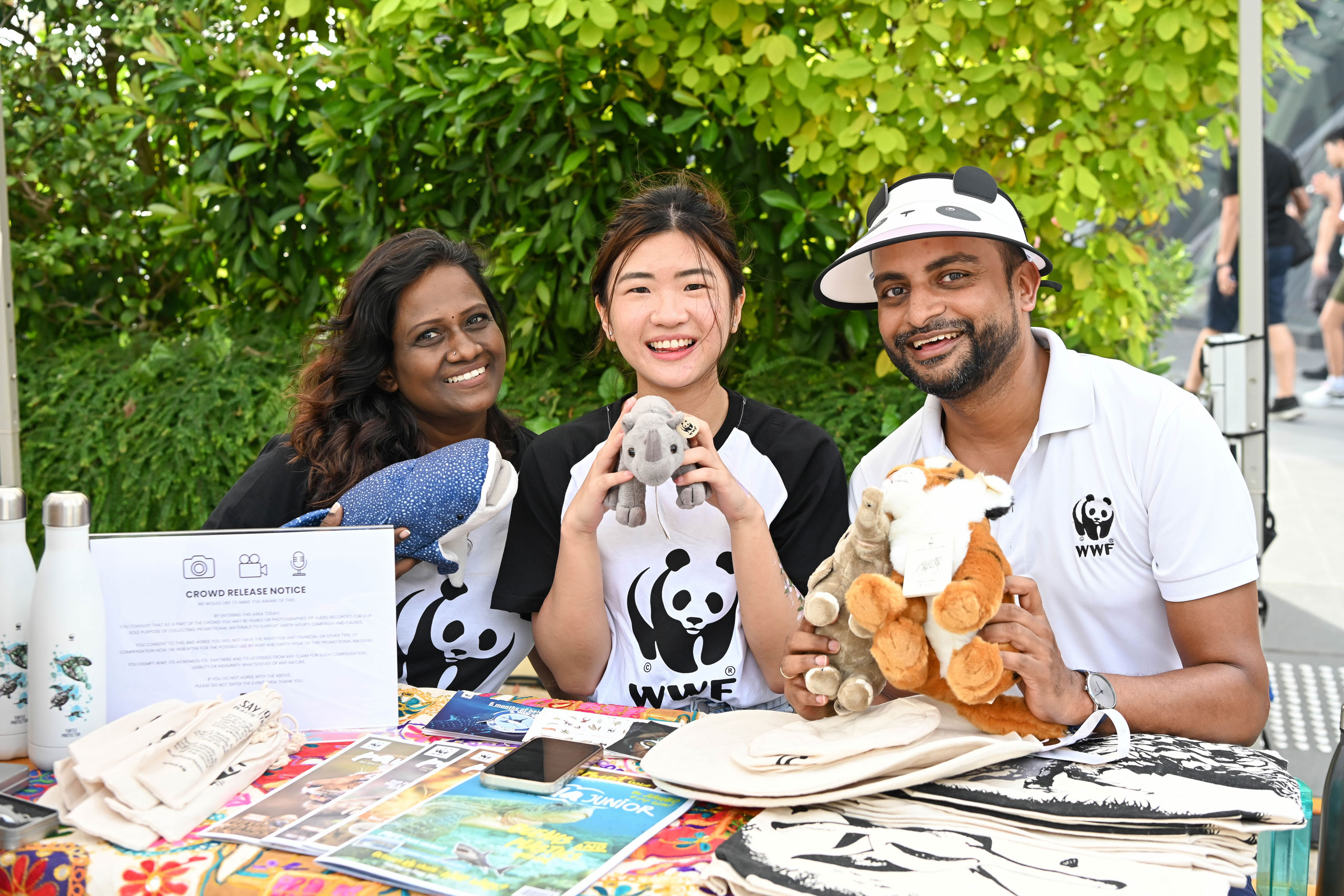
We work with individuals, companies, institutions and governments to create lasting change for nature, because only collective action can drive real impact.
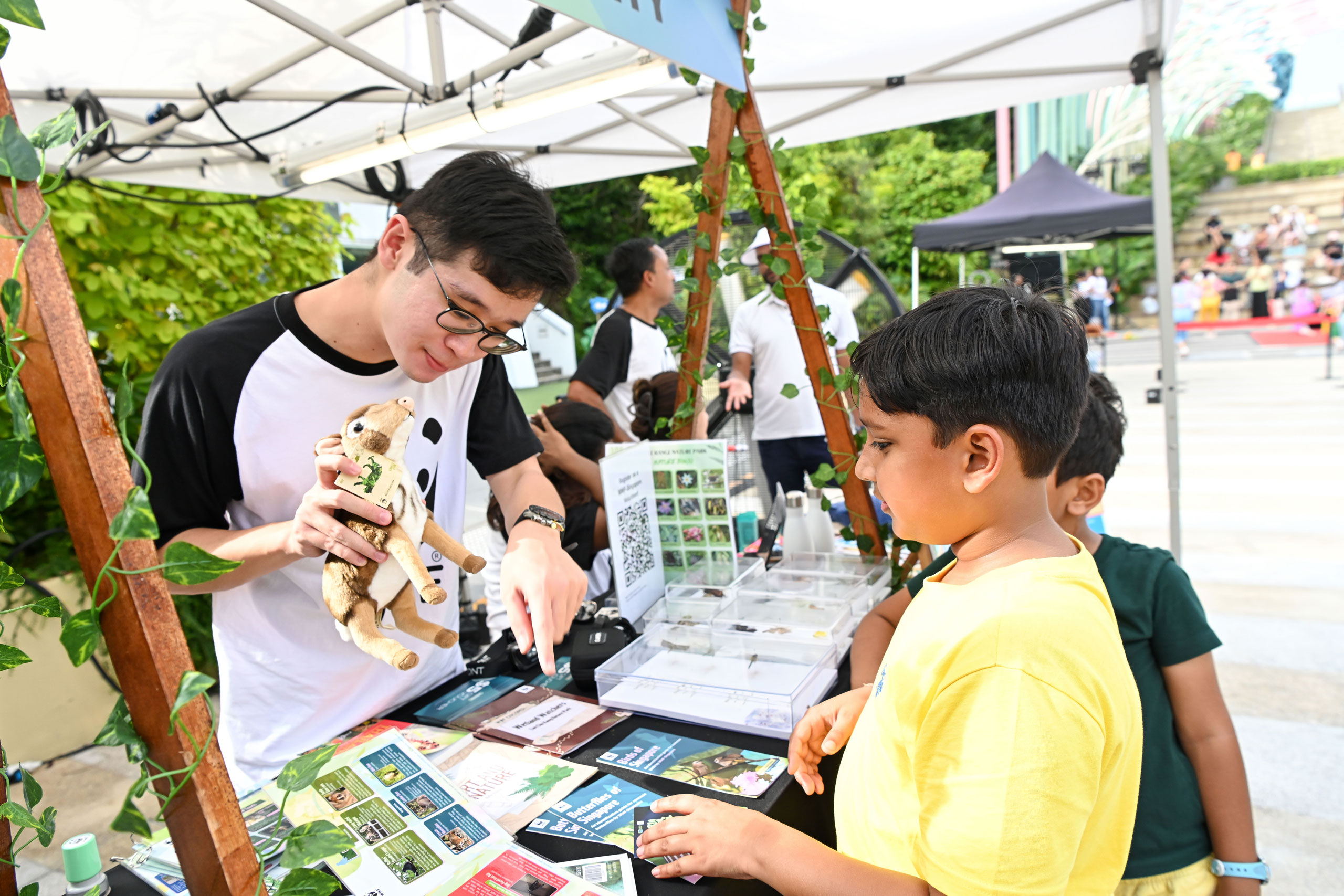
Every dollar donated powers WWF-Singapore’s conservation work: protecting species, restoring habitats, and supporting communities on the ground
Eliminate loss of natural habitat
Stop the loss of vital ecosystems in our region.
Eliminate human-induced extinction
Protect species from the threat of extinction driven by human actions.
Halve the footprint of production and consumption
Champion sustainable practices and a circular economy.
Eliminate loss of natural habitat
Stop the loss of vital ecosystems in our region.
Eliminate human-induced extinction
Protect species from the threat of extinction driven by human actions.
Halve the footprint of production and consumption
Champion sustainable practices and a circular economy.
We work with individuals, companies, institutions and governments to create lasting change for nature, because only collective action can drive real impact.
Find out more about WWF-Singapore’s work here:
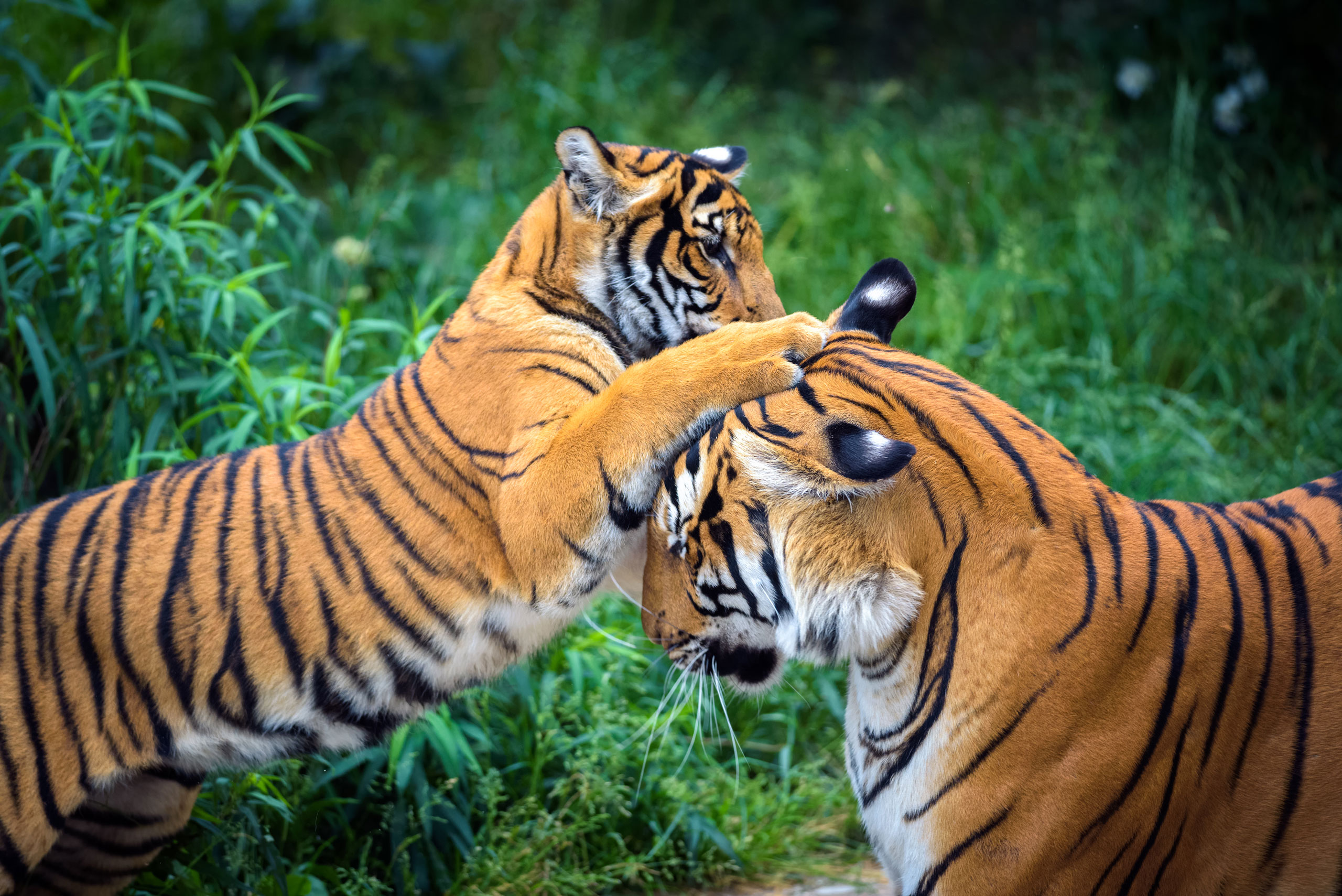
A second chance for tigers
In Malaysia’s Belum-Temengor Forest, less than 150 Malayan tigers remain: only a shadow of their former population strength. Poaching has pushed this iconic big cat to the brink, but hope endures.
With our donors’ support, anti-poaching patrols and surveillance are safeguarding this last stronghold. Since 2020, 17 tiger cubs have been recorded: proof that, with protection, Malayan tigers still have hope of a future.
Disclaimer: Facts are accurate at the time of publication, with data sourced from WWF-Singapore’s conservation team.

43 individuals identified within the Belum-Temengor Forest Complex

Over 500 camera traps within the forest to deter poaching and monitor tigers

17 tiger cubs recorded since 2020
Your gift will support nature conservation, environmental sustainability, and community education delivered by WWF-Singapore in Singapore.