
Every act of kindness can create ripples of change for our wildlife.
Your support can help us make a difference for nature, fuelling our work to protect species, restore critical habitats, and work with communities to build a future where nature and people can live in harmony together.



Our mission is to stop the degradation of the planet’s natural environment and to build a future in which people live in harmony with nature, by conserving the world’s biological diversity, ensuring that the use of renewable natural resources is sustainable and promoting the reduction of pollution and wasteful consumption.
In Singapore, we work on priority conservation issues, bringing individuals, communities, businesses and governments together to enable change for a resilient future.
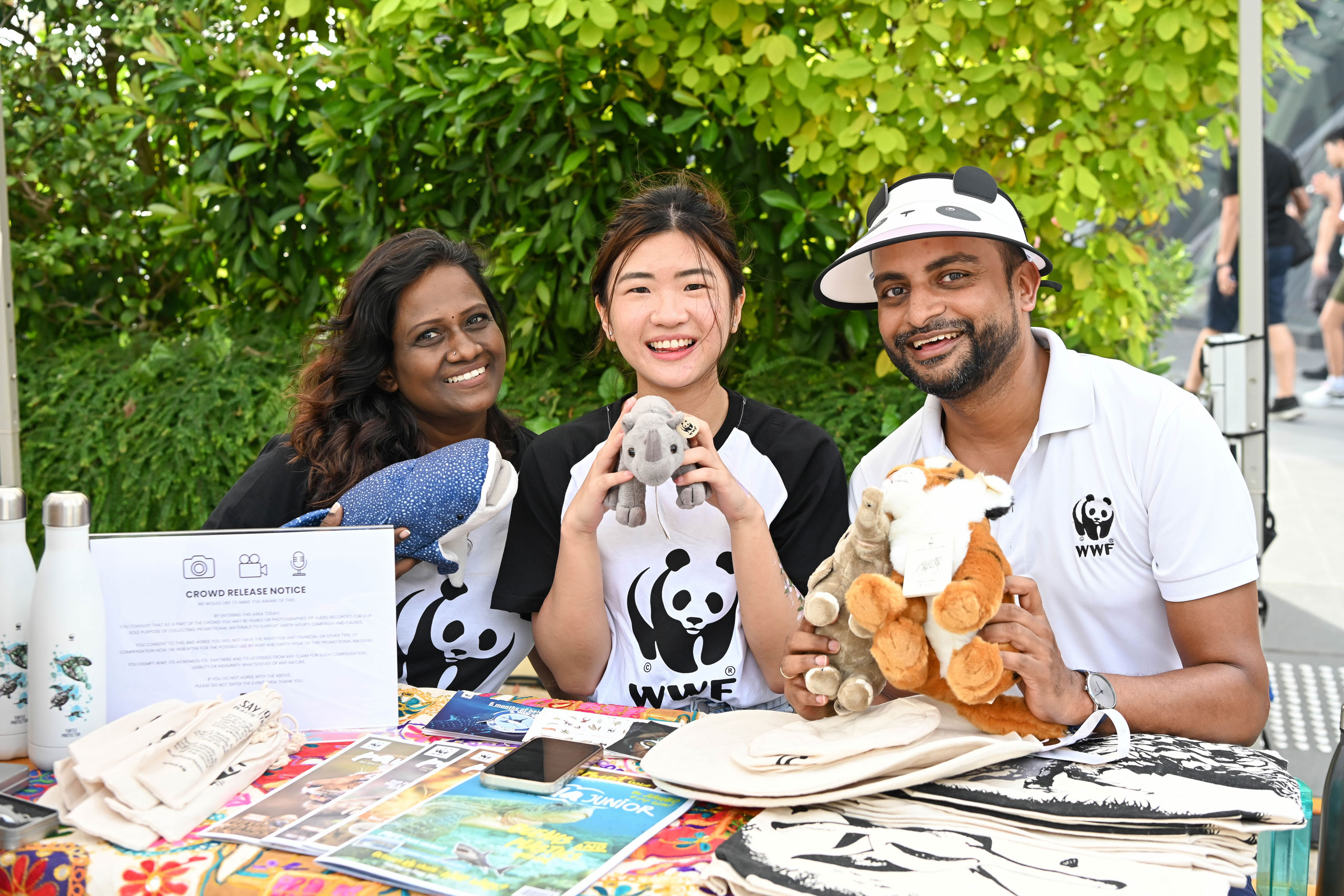
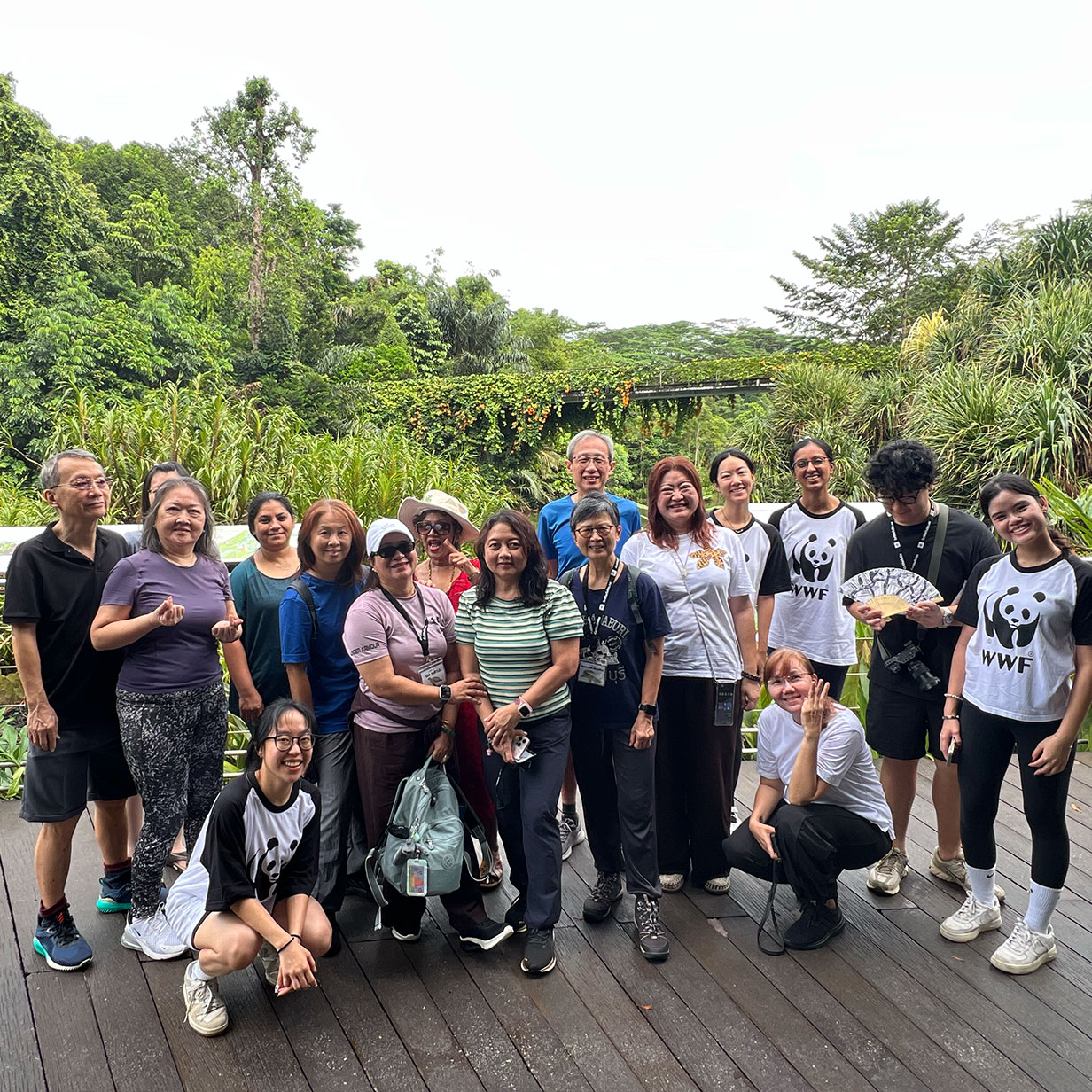

WWF-Singapore works to protect forests, oceans, wildlife and the people that depend on them. From restoring the forests in Sumatra, to protecting and restoring the coral reefs around Singapore’s Southern Islands and across the Coral Triangle, every project prioritises creating a future where people and nature can thrive together.
Your support fuels WWF-Singapore’s efforts, helping us to act where it matters most. It is a lifeline for nature and the countless species that call it home.
Restoring forest ecosystems
Across Southeast Asia, WWF-Singapore works to protect and restore vital forest ecosystems, from ancient rainforests to the mangrove deltas.
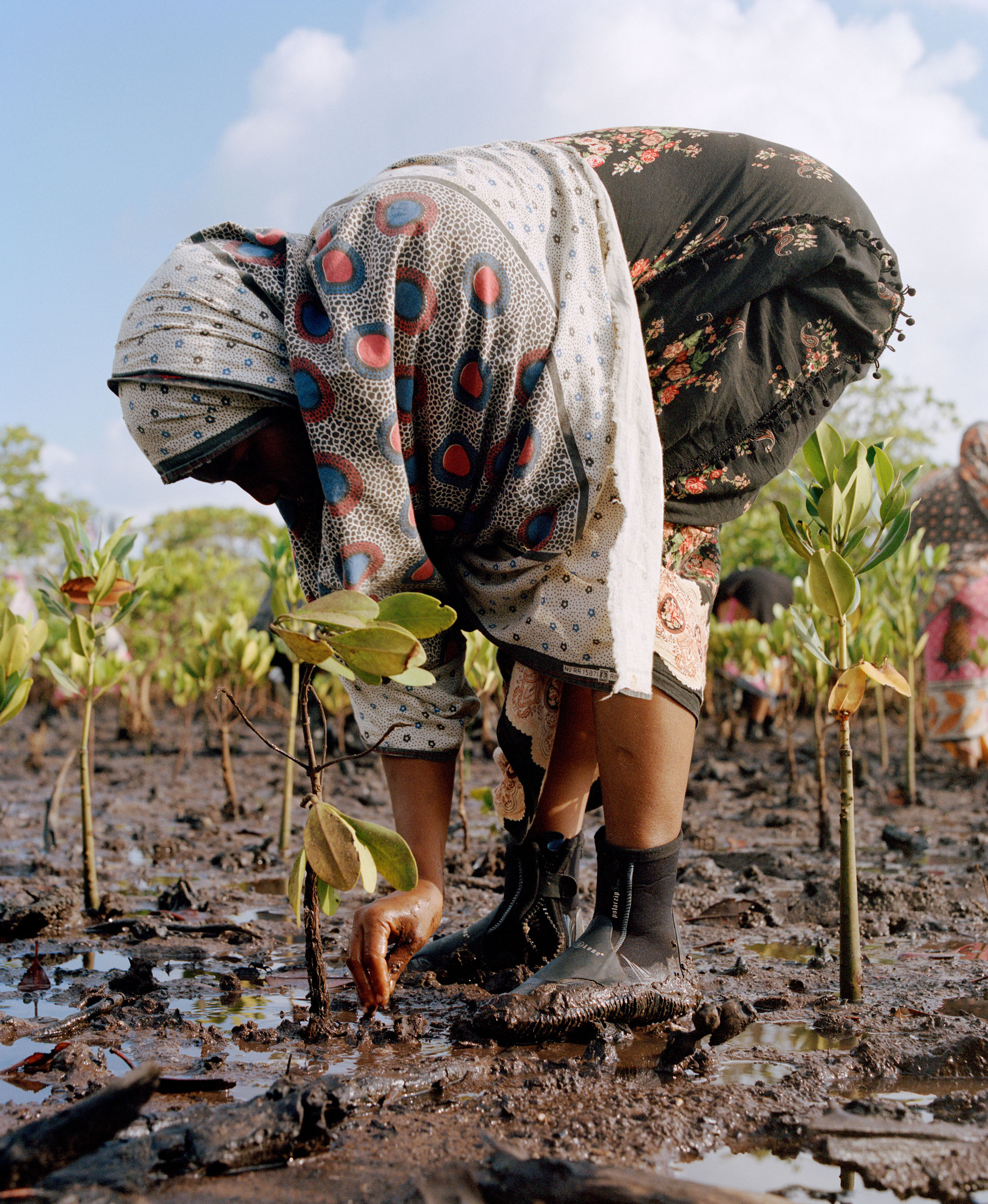
We have planted seedlings across hundreds of hectares of degraded forest, supporting endangered species and improving local livelihoods through community-led agroforestry. The mangrove forests and surrounding waters of Sarawak act as critical habitats for Irrawaddy dolphins and local fisheries. We are working to protect 8,945 hectares of mangroves while rehabilitating degraded areas and empowering communities in sustainable management.
Protecting primates and other mammals
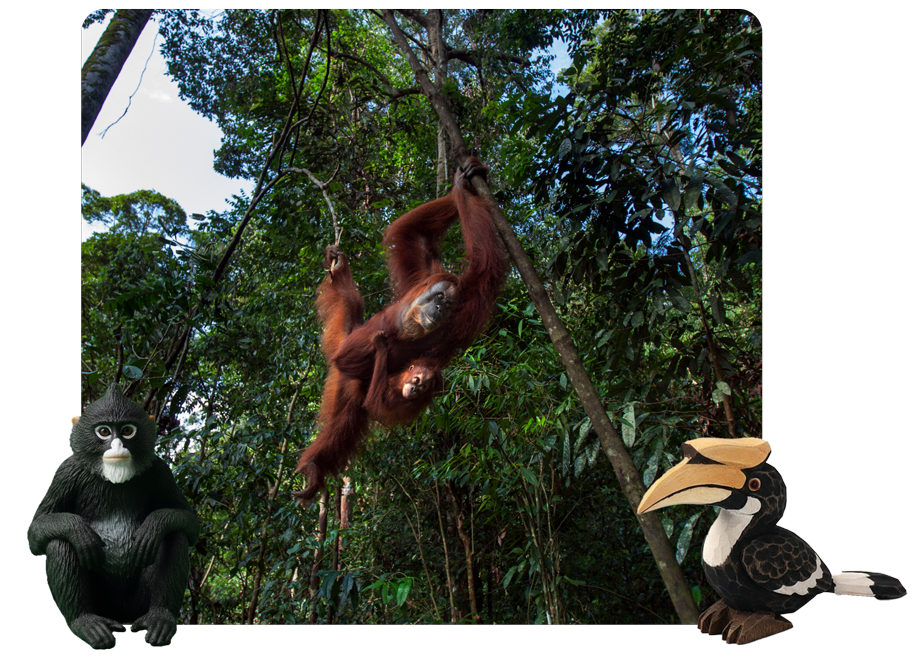
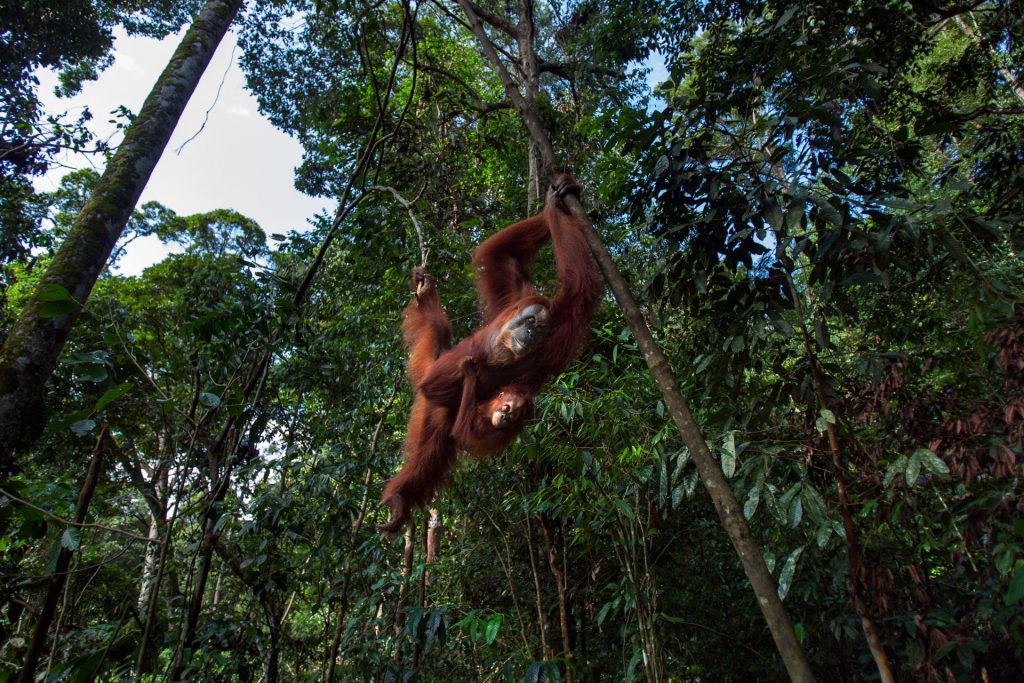
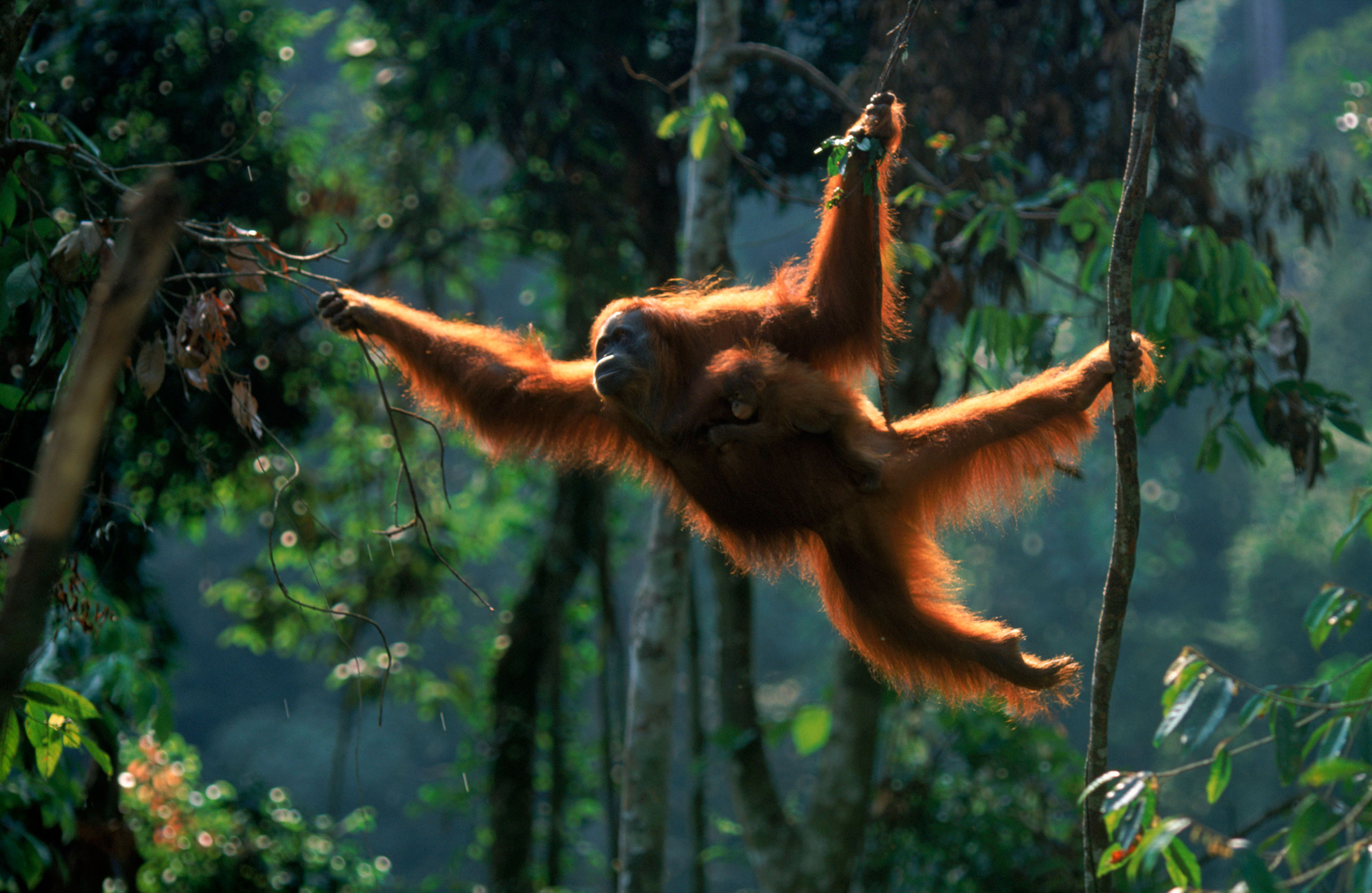
From orangutans swinging through the forests to elephants roaming the open grasslands, Southeast Asia’s wildlife depends on intact, protected habitats. WWF-Singapore is working to secure these vital spaces and reduce threats to the region’s most endangered species.
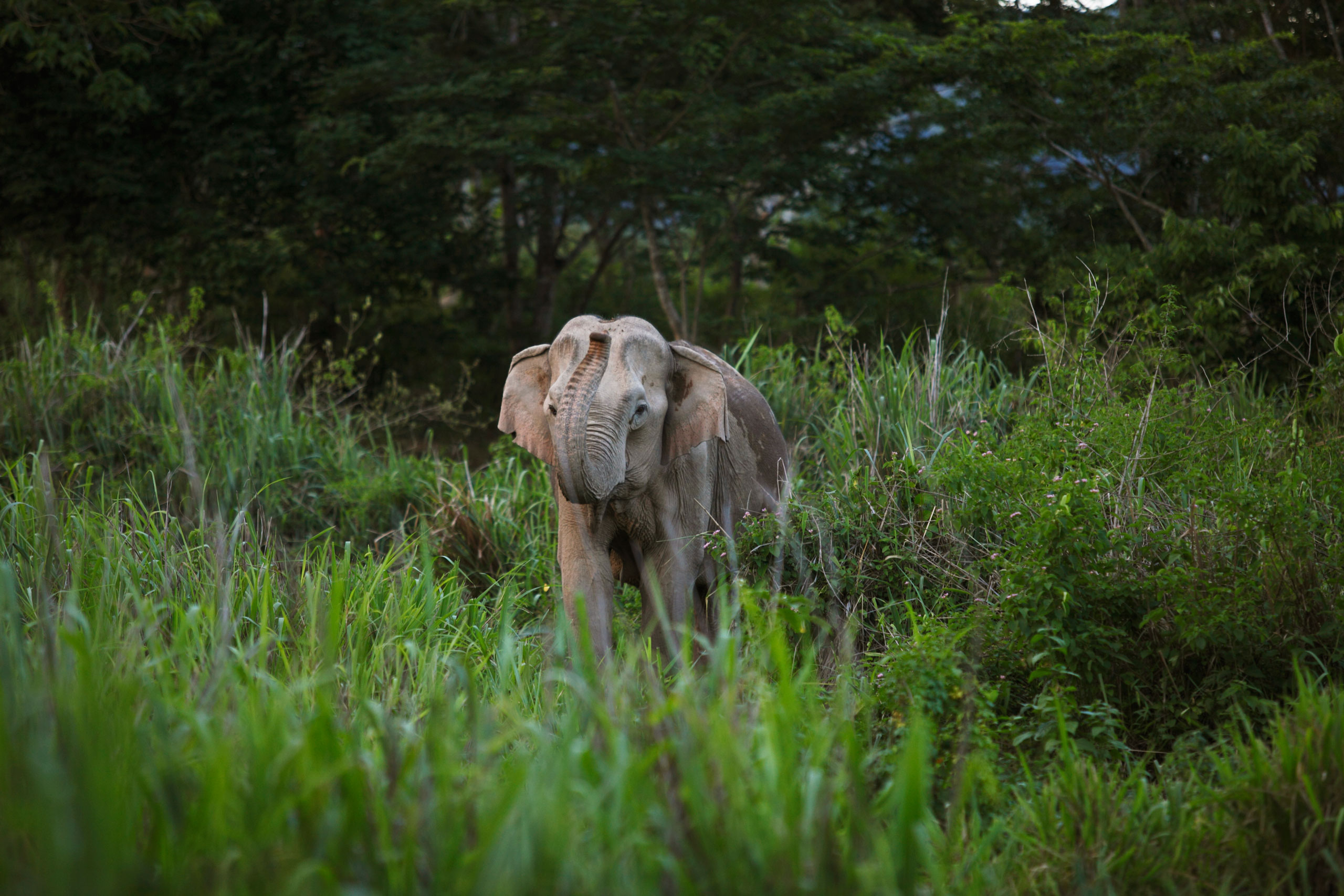
WWF-Singapore is working to restore and manage large areas of rainforest, creating safe havens for critically endangered species such as orangutans, tigers, and elephants, while partnering with local communities to ensure long-term stewardship. Further north in Thailand’s Kui Buri National Park, WWF supports habitat restoration, grassland management, and coexistence programmes that help wild Asian elephants and other species live safely alongside people.
Monitoring wildlife to guide conservation
Science lies at the heart of effective conservation. WWF-Singapore supports research and monitoring initiatives across Southeast Asia to better understand wildlife populations and ecosystem health, ensuring every conservation action is guided by data.
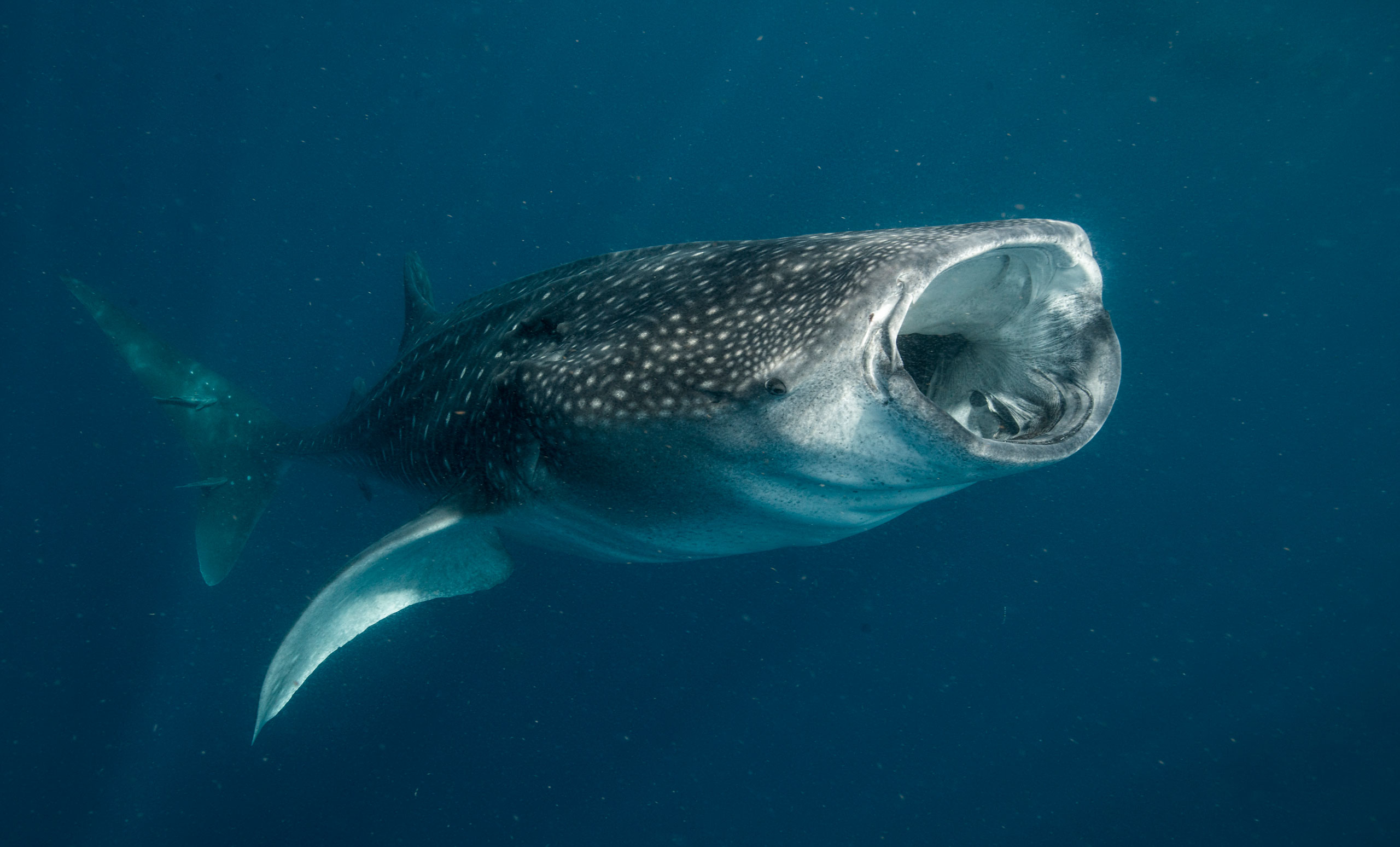
In Donsol, Philippines, WWF monitors whale shark populations through annual photo-identification surveys, habitat assessments, and community-based tourism management to ensure that conservation and livelihoods go hand in hand.
In Singapore, WWF leads invasive species management and biodiversity monitoring programmes to protect native wildlife, including the critically endangered Raffles’ Banded Langur and Sunda Pangolin. These initiatives combine research, training, and volunteer engagement to build knowledge that informs conservation action.
Restoring forest ecosystems
Across Southeast Asia, WWF-Singapore works to protect and restore vital forest ecosystems, from ancient rainforests to the mangrove deltas.
We have planted seedlings across hundreds of hectares of degraded forest, supporting endangered species and improving local livelihoods through community-led agroforestry. The mangrove forests and surrounding waters of Sarawak act as critical habitats for Irrawaddy dolphins and local fisheries. We are working to protect 8,945 hectares of mangroves while rehabilitating degraded areas and empowering communities in sustainable management.
Protecting primates and other mammals
From orangutans swinging through the forests to elephants roaming the open grasslands, Southeast Asia’s wildlife depends on intact, protected habitats. WWF-Singapore is working to secure these vital spaces and reduce threats to the region’s most endangered species.
WWF-Singapore is working to restore and manage large areas of rainforest, creating safe havens for critically endangered species such as orangutans, tigers, and elephants, while partnering with local communities to ensure long-term stewardship. Further north in Thailand’s Kui Buri National Park, WWF supports habitat restoration, grassland management, and coexistence programmes that help wild Asian elephants and other species live safely alongside people.
Monitoring wildlife to guide conservation
Science lies at the heart of effective conservation. WWF-Singapore supports research and monitoring initiatives across Southeast Asia to better understand wildlife populations and ecosystem health, ensuring every conservation action is guided by data.
In Donsol, Philippines, WWF monitors whale shark populations through annual photo-identification surveys, habitat assessments, and community-based tourism management to ensure that conservation and livelihoods go hand in hand.
In Singapore, WWF leads invasive species management and biodiversity monitoring programmes to protect native wildlife, including the critically endangered Raffles’ Banded Langur and Sunda Pangolin. These initiatives combine research, training, and volunteer engagement to build knowledge that informs conservation action.
Donations from individuals, corporate partners and philanthropists will be directed to programme and activities within Singapore where the needs are greatest – whether it’s protecting forests, supporting local communities or restoring coral reefs along our very own shores. We prioritise flexibility so that we can respond efficiently and effectively to urgent threats to nature as they present themselves.
Transparency and accountability are at the heart of our work here at WWF. As a donor, you’ll receive regular updates through impact reports, expert insights, exclusive event invitations, and stories from the ground. There are also opportunities for donors to visit some of the local conservation sites that they help support.
WWF-Singapore monitors the progress and outcomes from our projects closely, to ensure that funds are utilised responsibly, and contribute to measurable, meaningful impact for nature.
Yes. Affecting lasting change for nature can only be achieved through collective action. WWF-Singapore engages with local and regional governments to help shape policies that safeguard our natural world and landscapes. We also partner with companies to reduce their environmental impact and shift industry practices – from improving supply chains to adopting more sustainable practices.
There are many ways to make a difference for nature. From becoming a monthly donor, to attending our events, volunteering or even simply spreading the word about conservation work. Every action can make an impact – be it big or small.
To ensure the greatest conservation impact, donations are pooled and allocated based on priority needs. This flexible approach allows us to respond swiftly to emergencies, address critical gaps in funding, and stay focused on our long-term conservation goals. Our commitment is to the best outcomes for nature, and funds are used with care to achieve this.

Every tree in the wild is a place of belonging for wildlife.
From roots to canopy, the forest is alive: orangutans swinging through branches, hornbills roosting in the treetops, and deer wandering the undergrowth.
This season, your kindness can help keep their hope alive.
Every tree in the wild is a place of belonging for wildlife. From roots to canopy, the forest is alive with stories.
This season, your kindness can help keep their stories alive.

Every tree in the wild is a place of belonging for wildlife.
From roots to canopy, the forest is alive: orangutans swinging through branches, hornbills roosting in the treetops, and deer wandering the undergrowth.
This season, your kindness can help keep their hope alive.
Every tree in the wild is a place of belonging for wildlife. From roots to canopy, the forest is alive with stories.
This season, your kindness can help keep their stories alive.
Every tree in the wild is a place of belonging for wildlife.
From roots to canopy, the forest is alive: orangutans swinging through branches, hornbills roosting in the treetops, and deer wandering the undergrowth.
This season, your kindness can help keep their hope alive.
Every tree in the wild is a place of belonging for wildlife. From roots to canopy, the forest is alive with stories.
This season, your kindness can help keep their stories alive.