

Earth Hour is just 60 minutes, but it becomes the “Biggest Hour for Earth” when those moments inspire meaningful actions that continue long after.
Earth Hour is just 60 minutes, but it becomes the “Biggest Hour for Earth” when those moments inspire meaningful actions that continue long after.
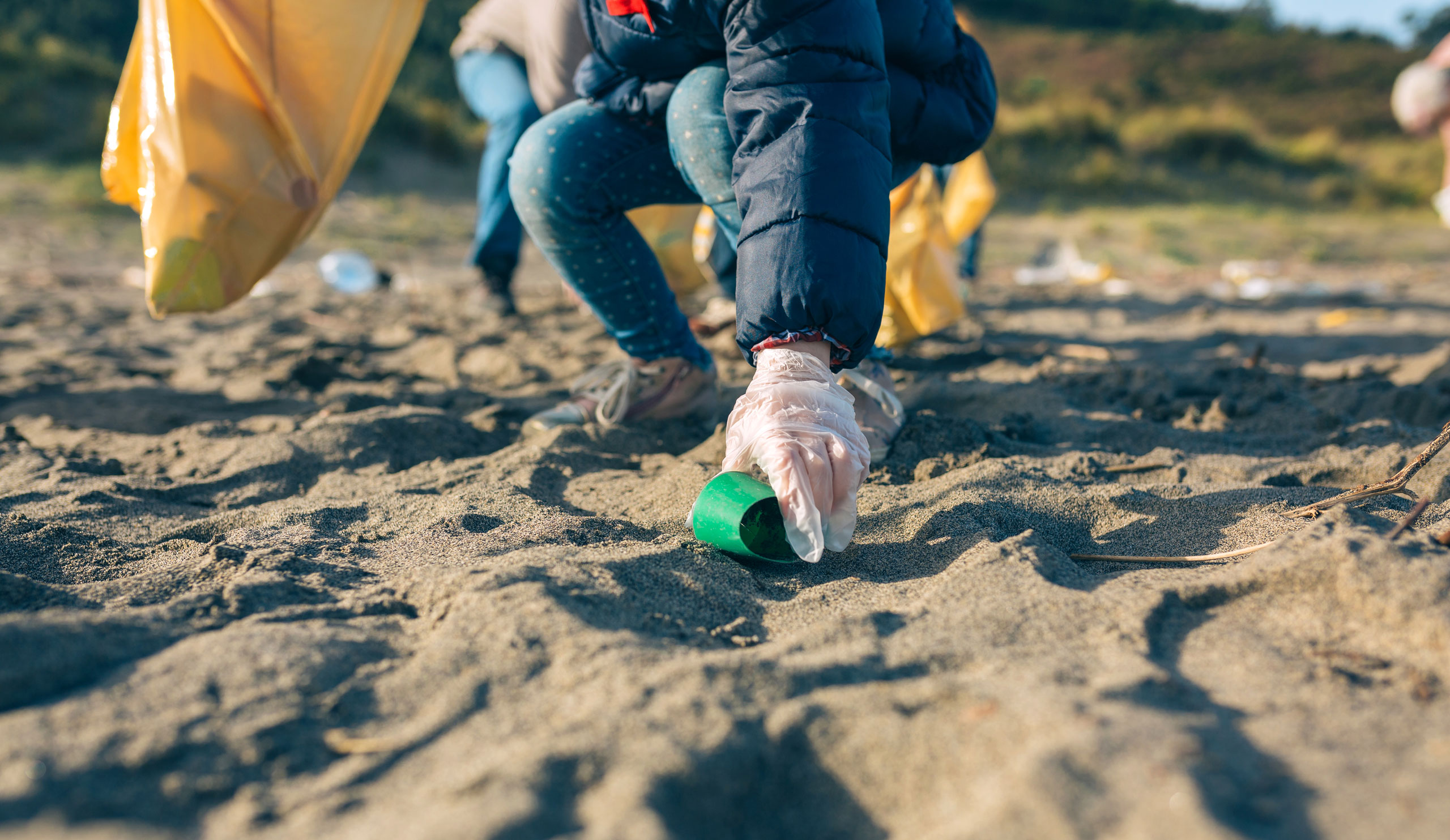
Combine jogging or walking with picking up litter along your route. It is an easy way to stay active while helping to keep shared spaces clean and showing others that small actions matter.
Or Join our Earth Hour Run 2026!
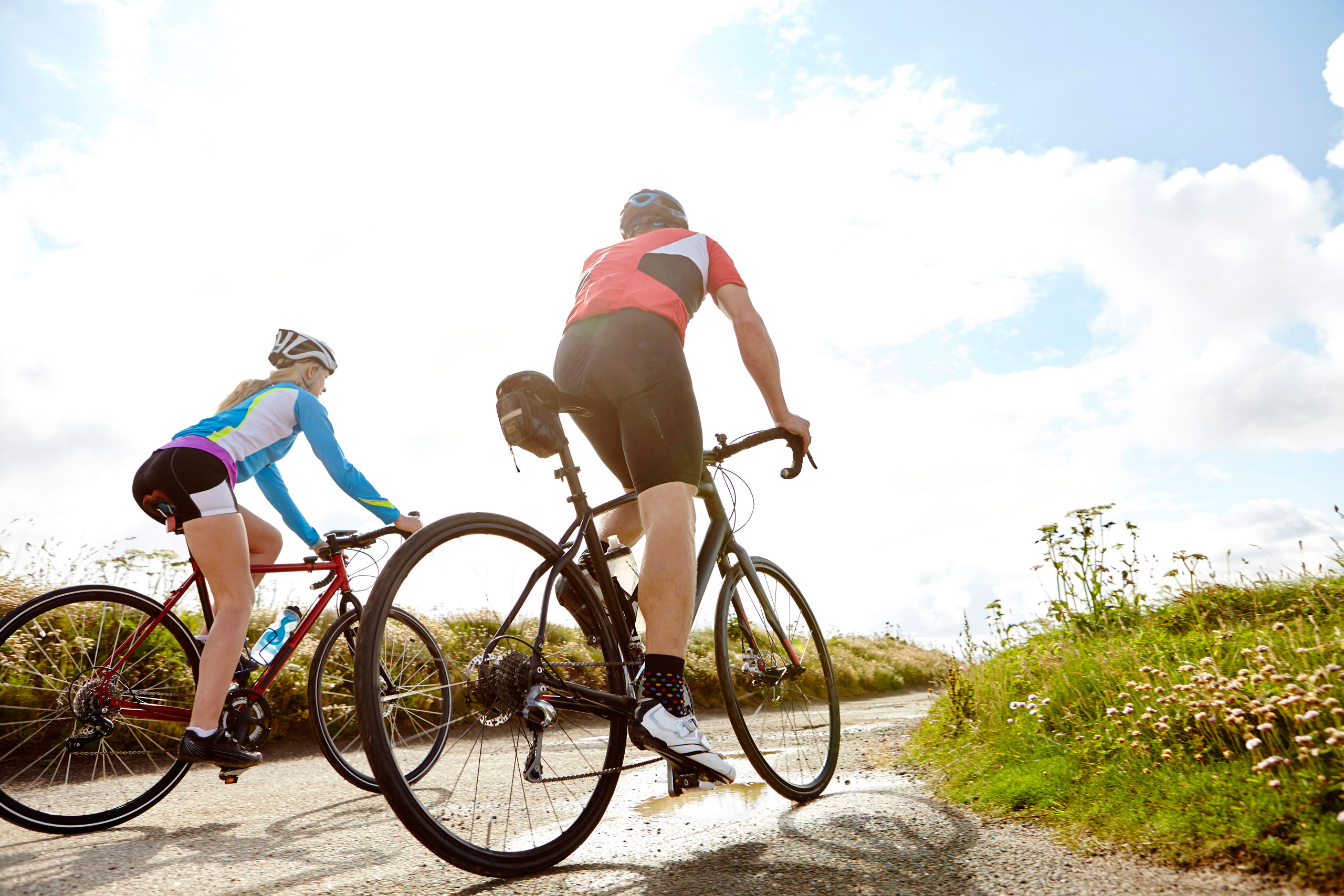
Swap a short bus-ride or ride-hailing trips for cycling. It reduces carbon emissions, keeps you active and inspires others to consider low-impact transport options.

Start a weekly walk with family, friends, or colleagues. Use the time to unwind, catch up, and enjoy the outdoors together, while building a simple habit that connects you with nature.
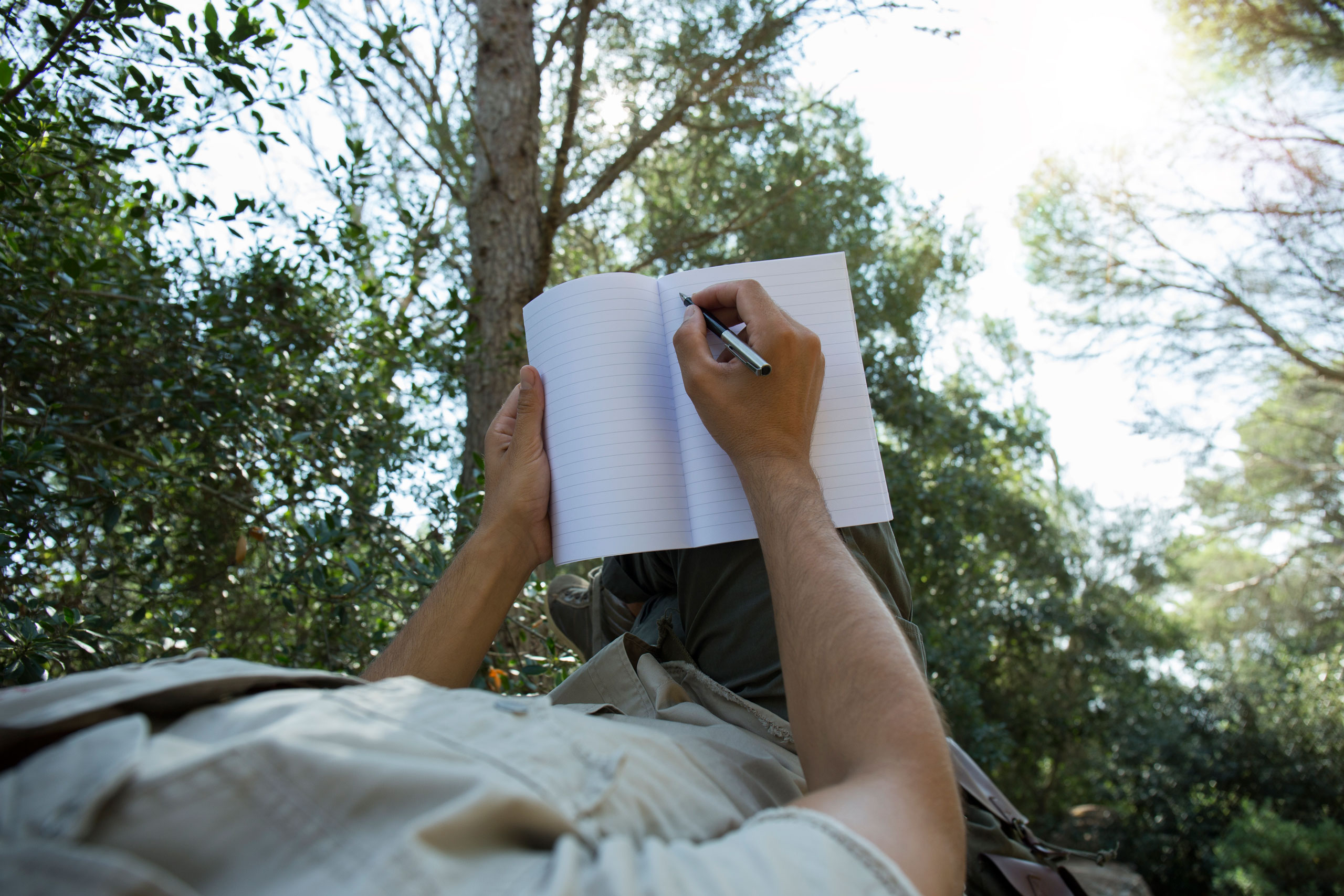
Observe your surroundings and sketch or write what you notice. It helps you slow down, connect with nature and appreciate Singapore’s everyday local biodiversity.
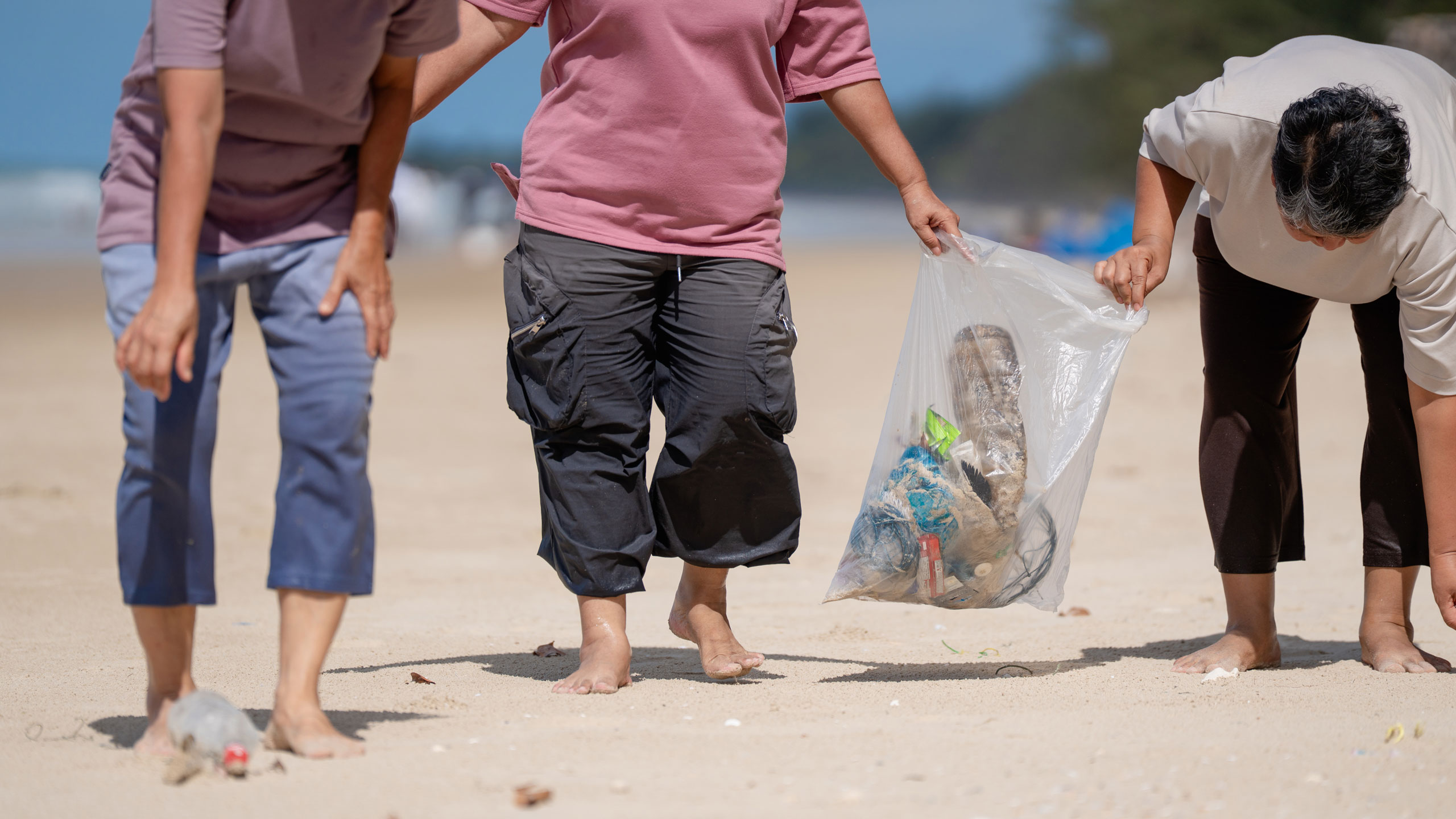
Take part in a cleanup to remove litter that harms marine life. It’s a hands‑on way to protect the environment and keep our shores healthy. Look out for WWF‑Singapore’s upcoming beach‑clean up activities if you’d like to join one.

Become part of Singapore’s citizen scientist community. Learn how to observe wildlife, collect valuable data and support real research that contributes to local biodiversity conservation protection. WWF‑Singapore runs and supports citizen science initiatives throughout the year, so stay tuned for upcoming training sessions and opportunities to get involved.
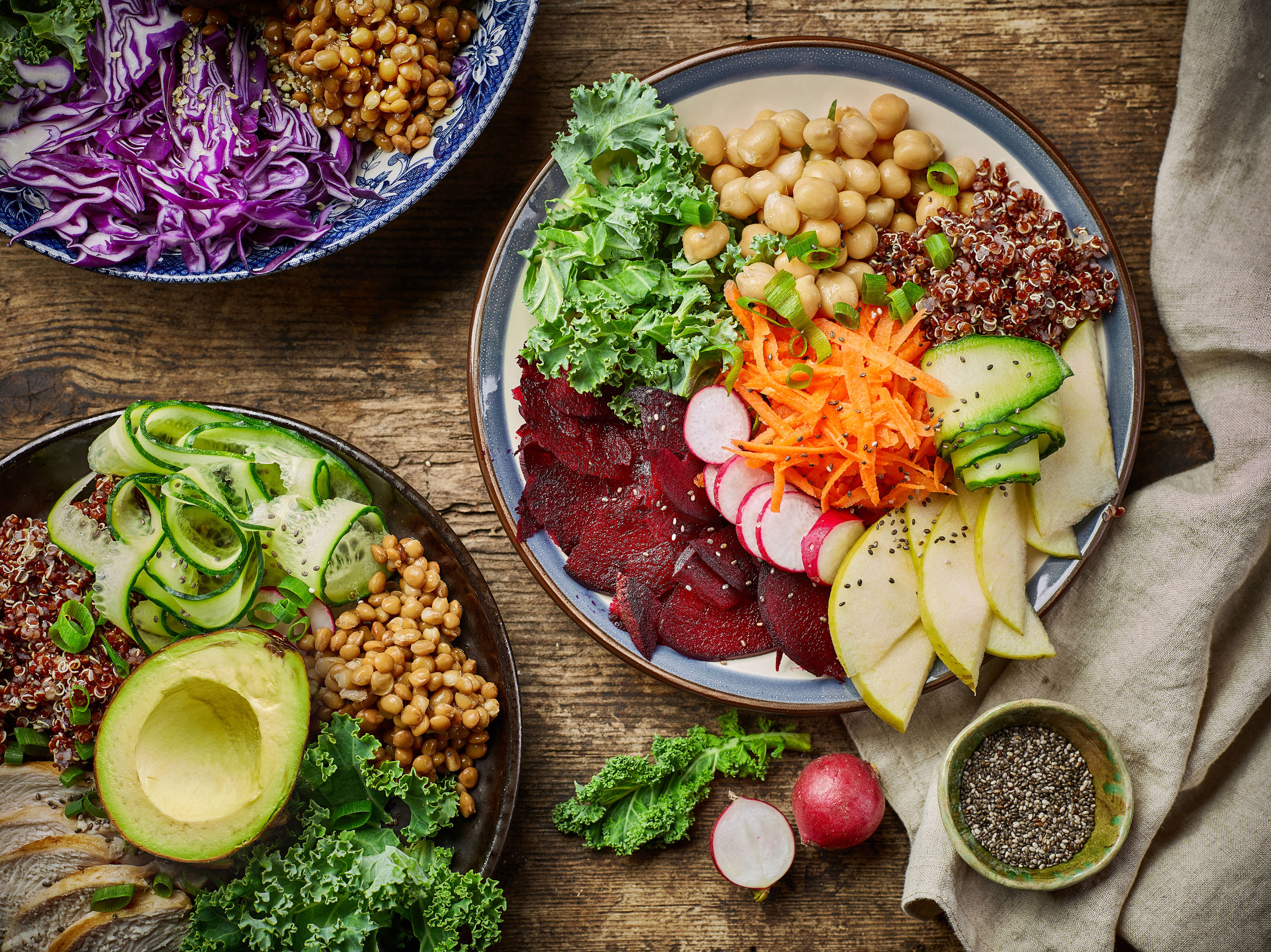
Choose dishes with vegetables, grains and plant-based proteins. These options have a lower environmental footprint and are easy to incorporate into your weekly meals.
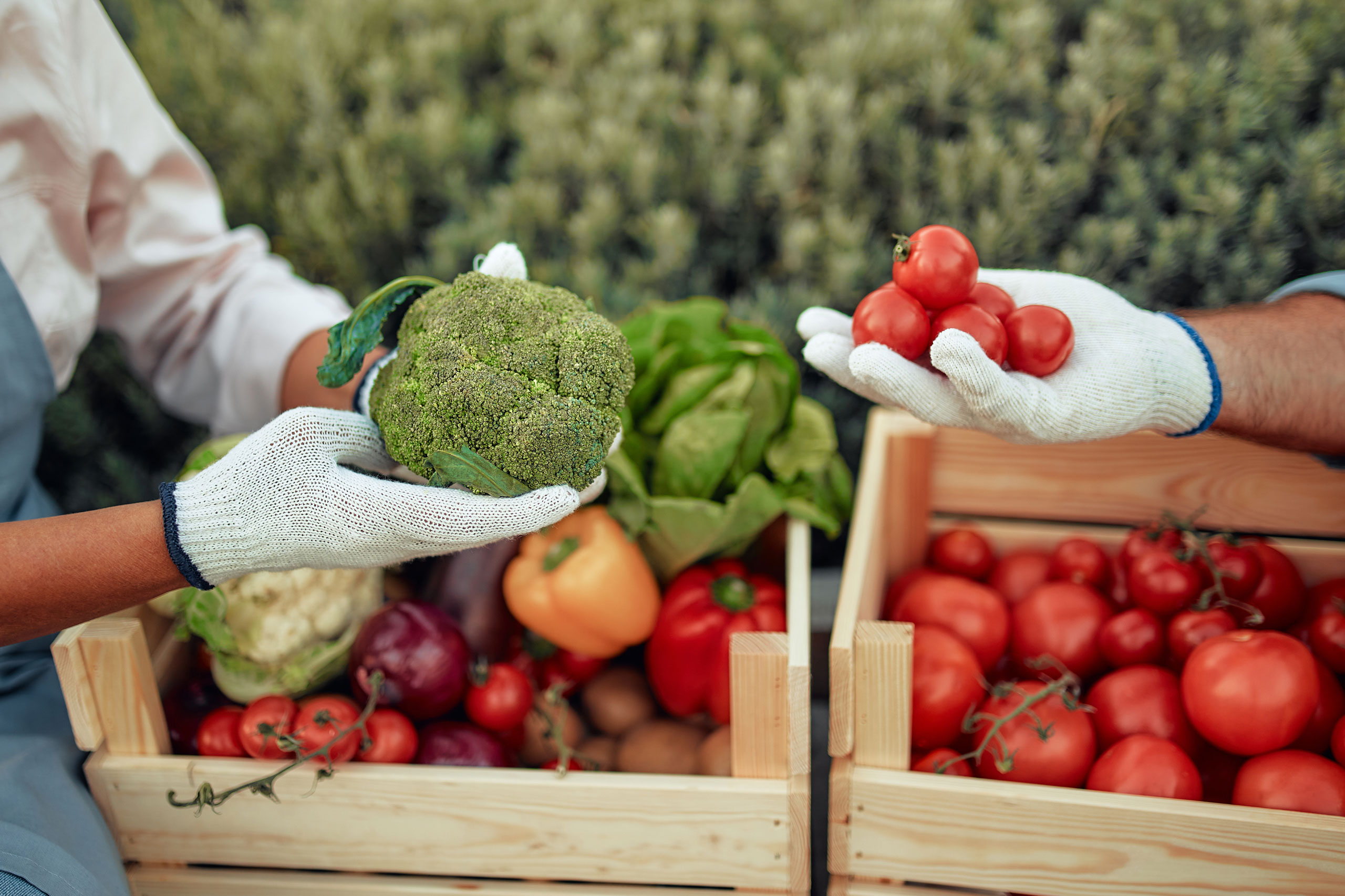
Buy ingredients grown through responsible farming or choose products labeled as sustainably sourced. This helps reduce the environmental impact of your food choices.
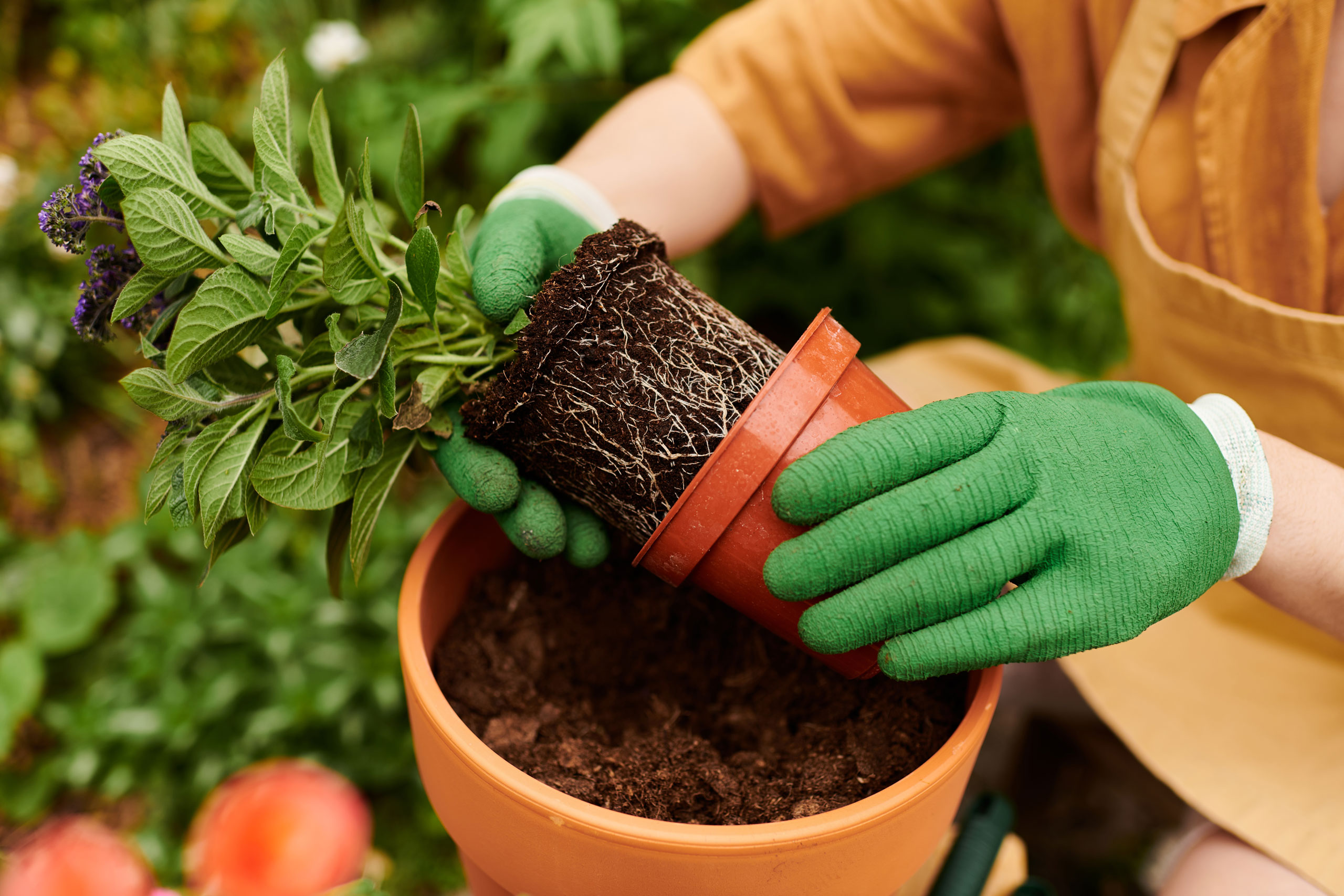
Grow simple herbs like basil, mint, or pandan. It reduces packaging waste and encourages self-sufficiency.

Prepare meals at home instead of relying on food delivery. It reduces packaging waste and helps you reconnect with cooking.
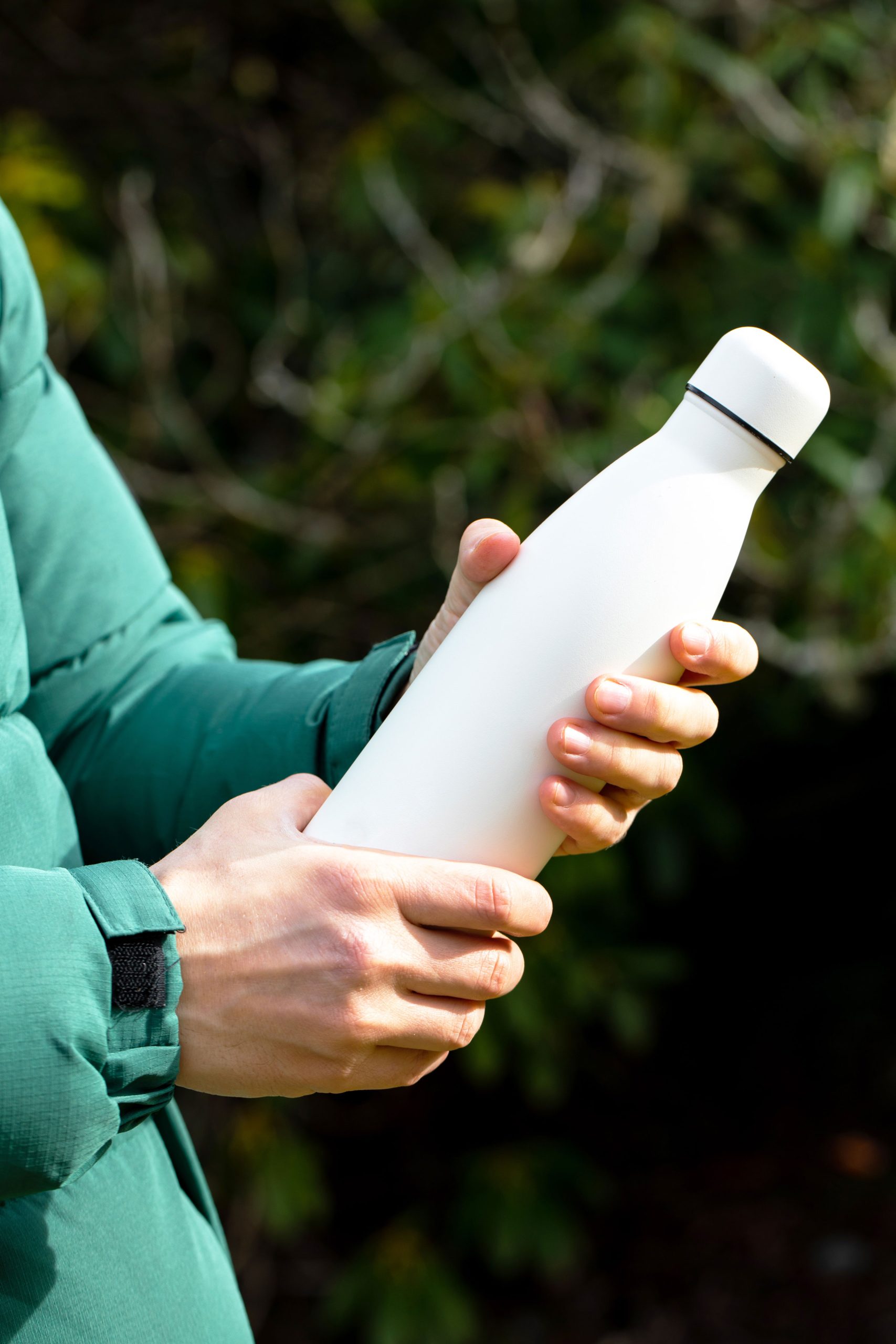
Use your own bags, bottles and containers when buying food or drinks at your local hawker centre. It lowers single‑use waste and shows others how simple sustainable habits can be.
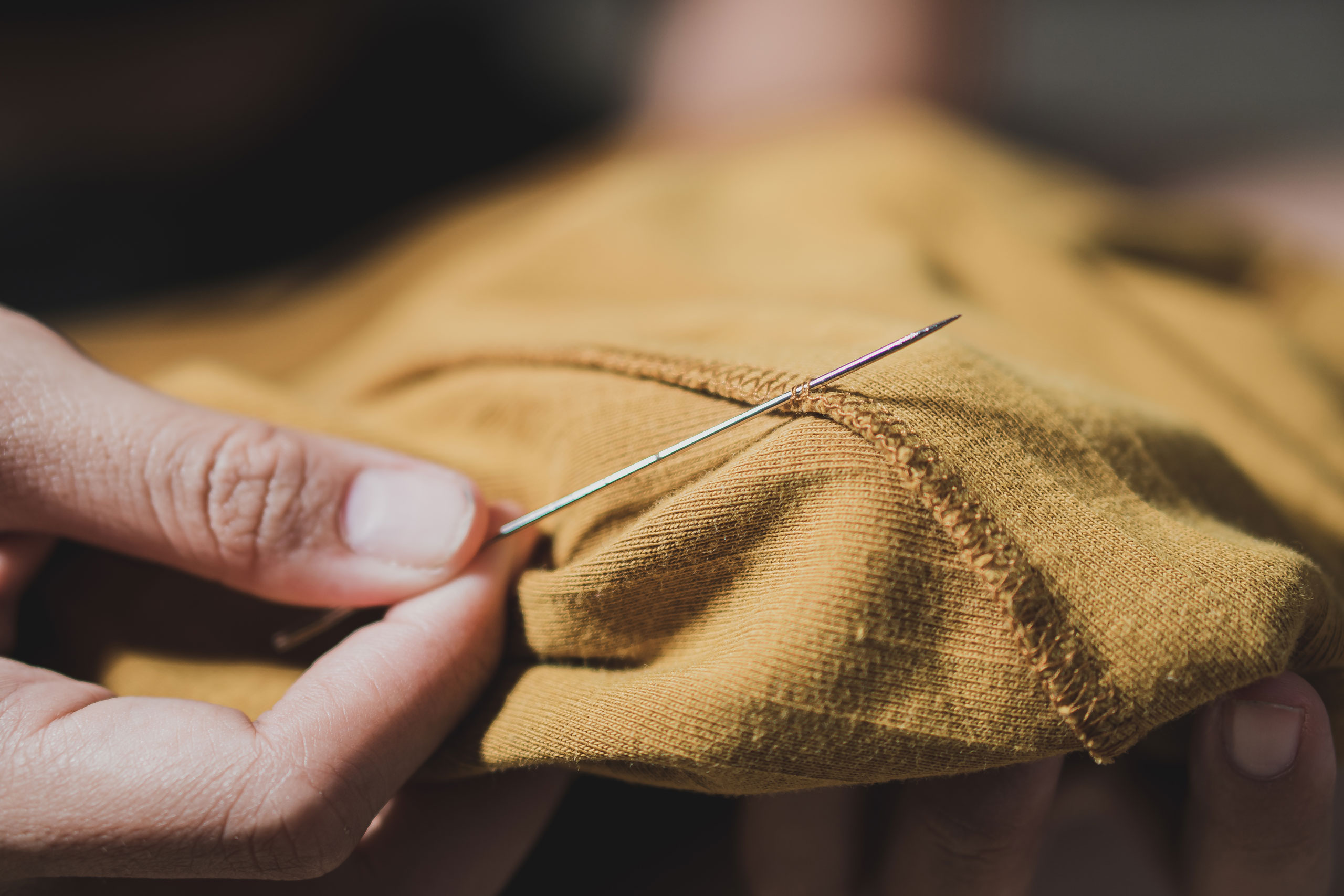
Fix items such as clothing, electronics or small appliances when possible. Extending the lifespan of products helps reduce waste and encourages mindful consumption.
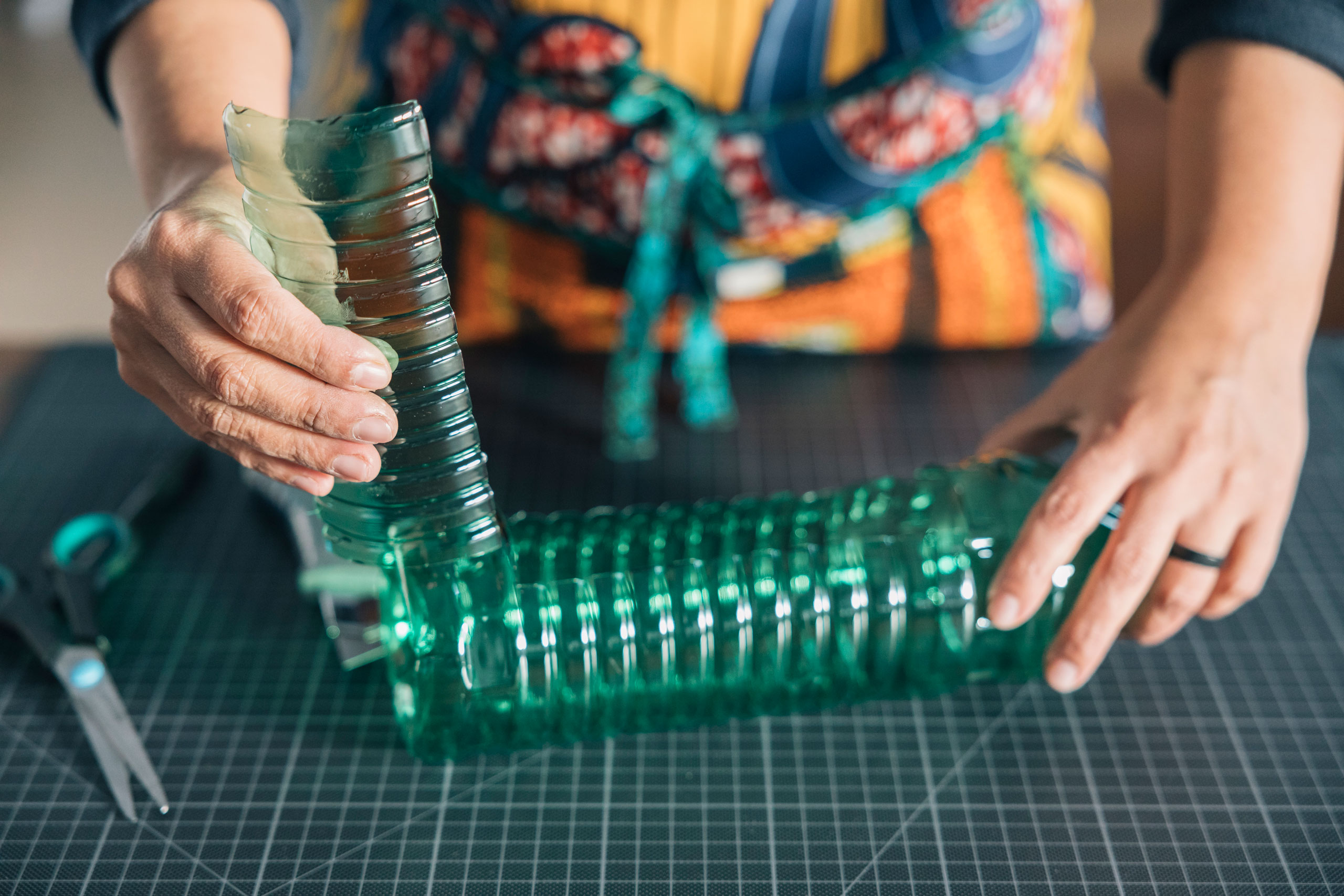
Turn used plastic into something new by repurposing bottles, containers or packaging. Simple ideas include making organisers from old bottles, creating planters from containers or turning caps into art. It’s an easy way to reduce waste and get creative with what you already have.

Use appliances efficiently, set reasonable air‑conditioning temperatures and switch off devices when not in use. These small changes reduce both energy use and household emissions.

Challenge yourself to avoid single‑use plastics for a week. It builds long-term awareness of hidden waste and encourages creative, low-impact alternatives.

Give worn or unused clothes a new purpose by turning them into tote bags, cleaning cloths or cushion covers. It reduces waste and makes use of what you already own.

Choose pre‑loved clothing and accessories instead of buying new ones. Thrifting cuts down on fast‑fashion waste and helps extend the life of quality items.

Create simple artwork using natural materials like leaves, flowers or twigs. Try leaf rubbings, pressed‑flower bookmarks or using natural textures as inspiration.
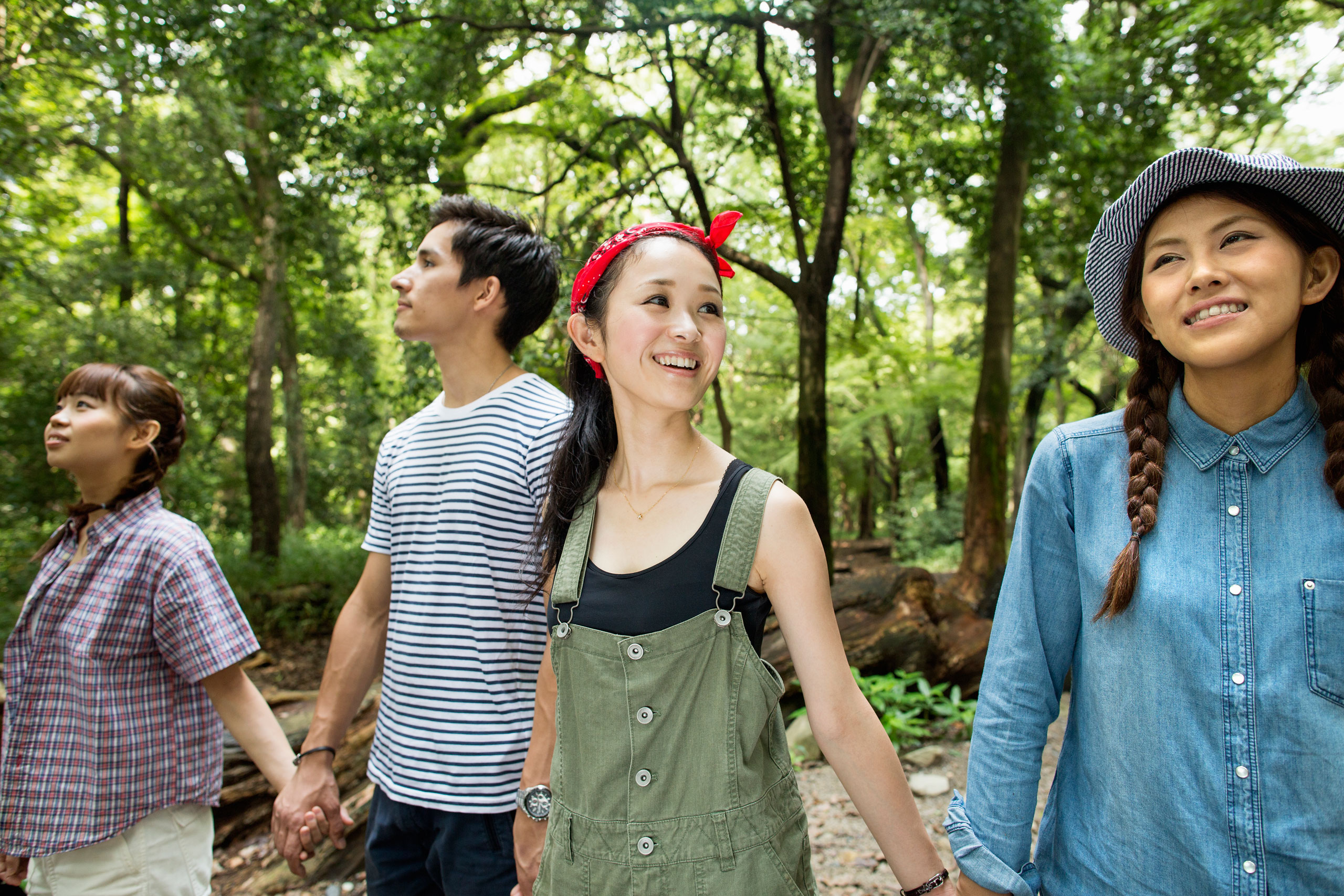
Explore workshops, fitness classes, or green initiatives in your neighbourhood. Local Community Centres often host eco‑friendly events where you can learn new skills and meet like‑minded people.

Swap your screen time for low‑impact activities like reading, journalling, walking or board games. It helps you slow down, save energy, and enjoy meaningful offline moments.
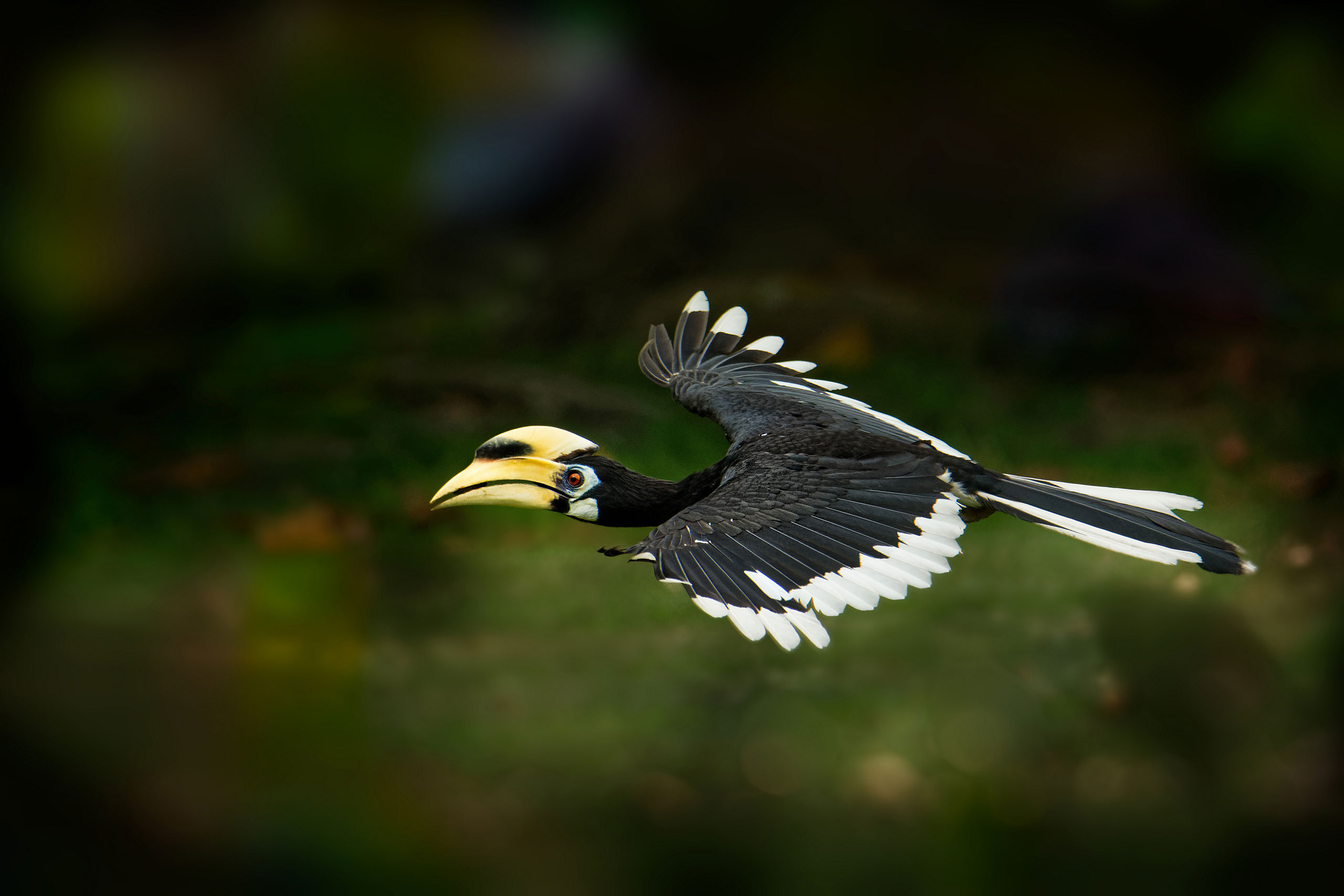
Learn about wildlife, ecosystems and conservation from the comfort of home. Nature documentaries are an easy way to stay inspired and understand the importance of protecting our planet.
Help create lasting impact through small, meaningful actions.
Earth Hour Virtual Run 2026 celebrates 20 years of collective action for climate and nature. This year, go beyond switching off. Rally your friends, family, and community, and let’s move together with purpose.
By participating in the Earth Hour Virtual Run, you help support WWF-Singapore’s programmes and initiatives that protect wildlife, restore critical habitats, and strengthen climate resilience.