Skip to content
  • The Story
  • Why Seagrass Matters
  • FAQ
  • Take Action
  • The Story
  • Why Seagrass Matters
  • FAQ
  • Take Action

No /prompt can bring
our seagrass back.


Warning

Strengthening Ecosystem Resilience

Follow the trail

A WWF-Singapore Campaign

Strengthening Ecosystem Resilience

A WWF-Singapore Campaign

Follow the trail

Present and Possible Future

/AI can generate anything. But it can’t bring seagrass back to life

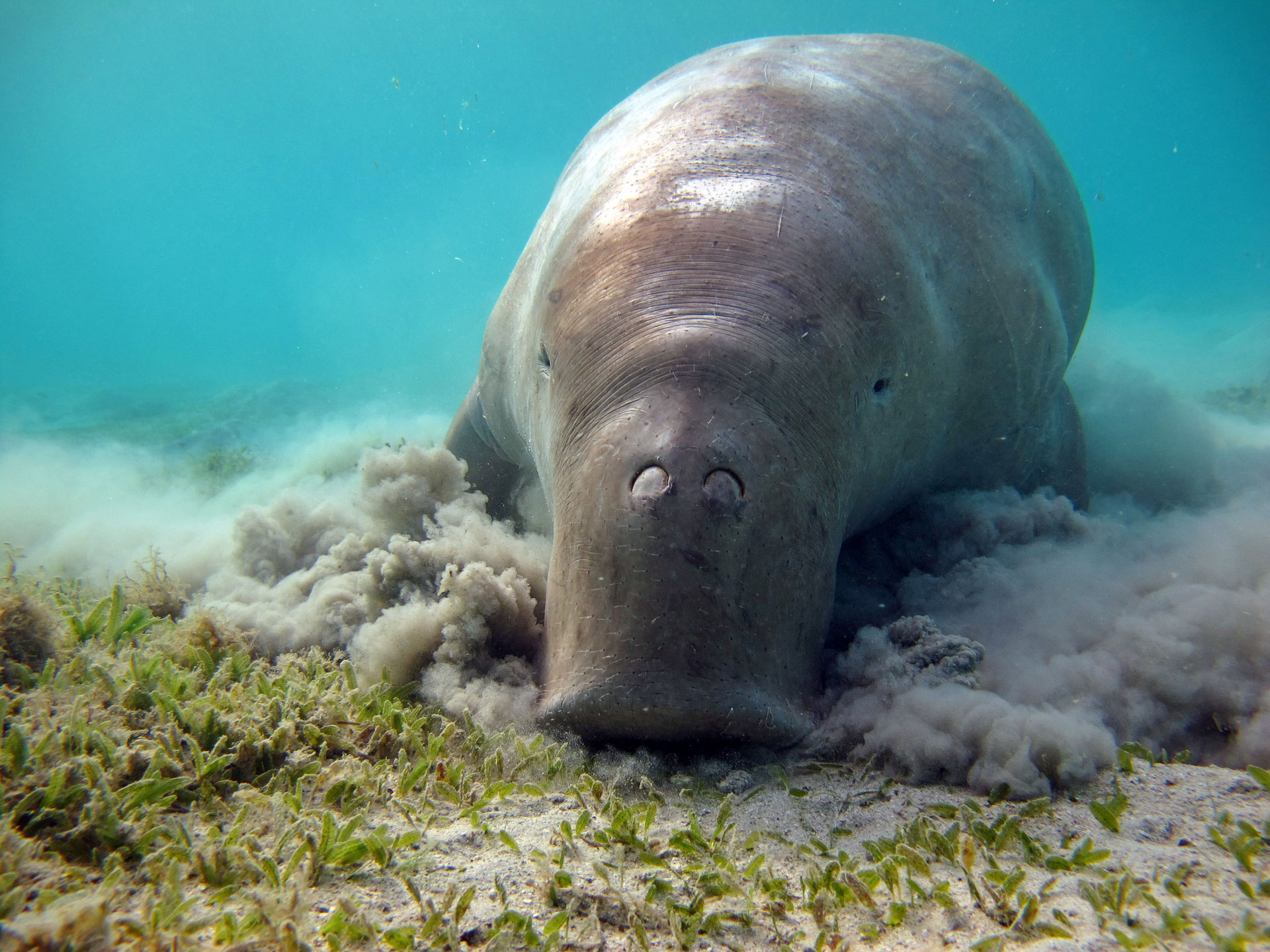
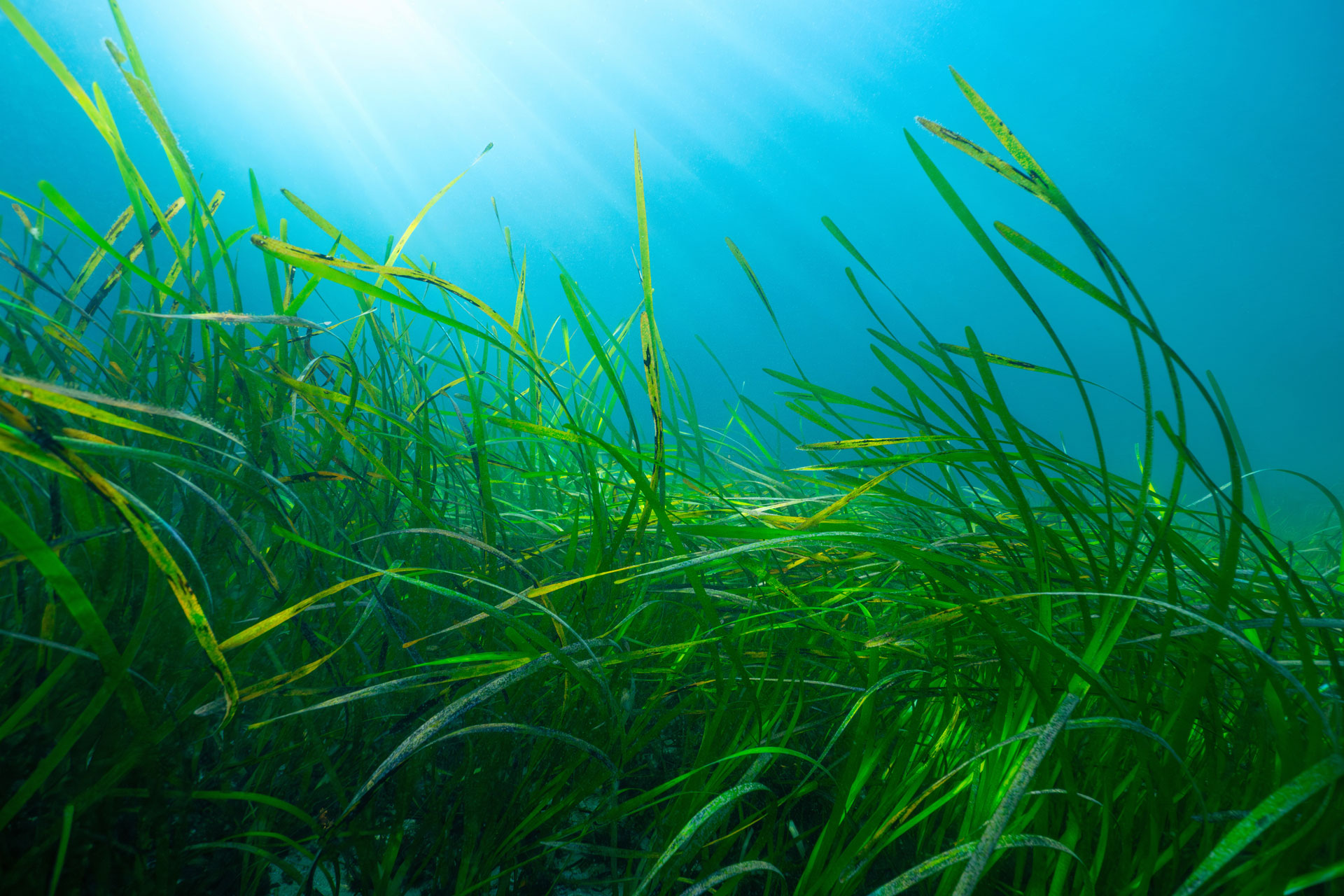
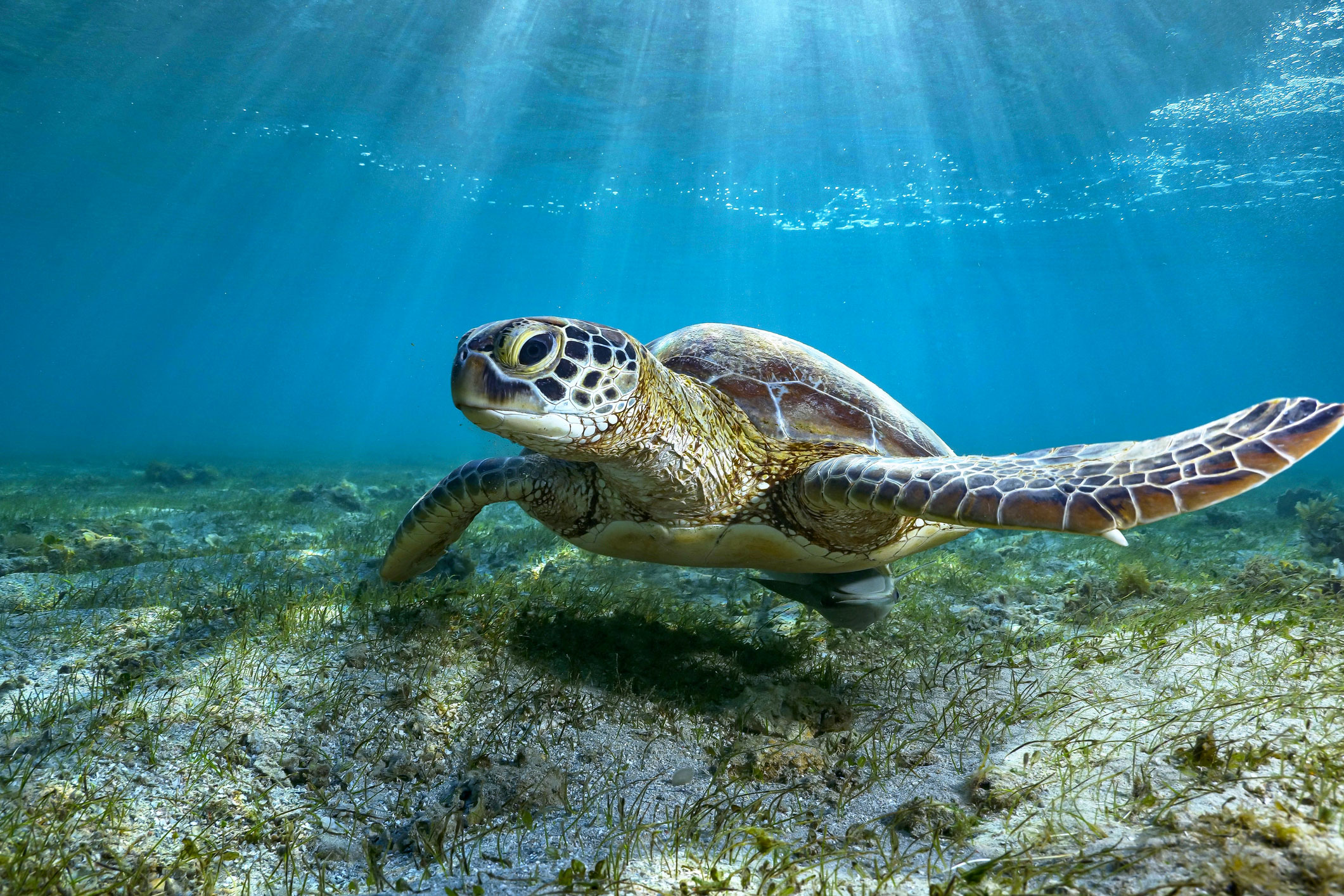
Seagrass has thrived in Singapore’s waters for centuries. It stores carbon faster than rainforests and supports marine life including dugongs, their sole food source, as well as green turtles and many other species. But over 45% has been lost in the past five decades. If we do nothing, even more could disappear in the next decade. No AI prompt can bring it back.

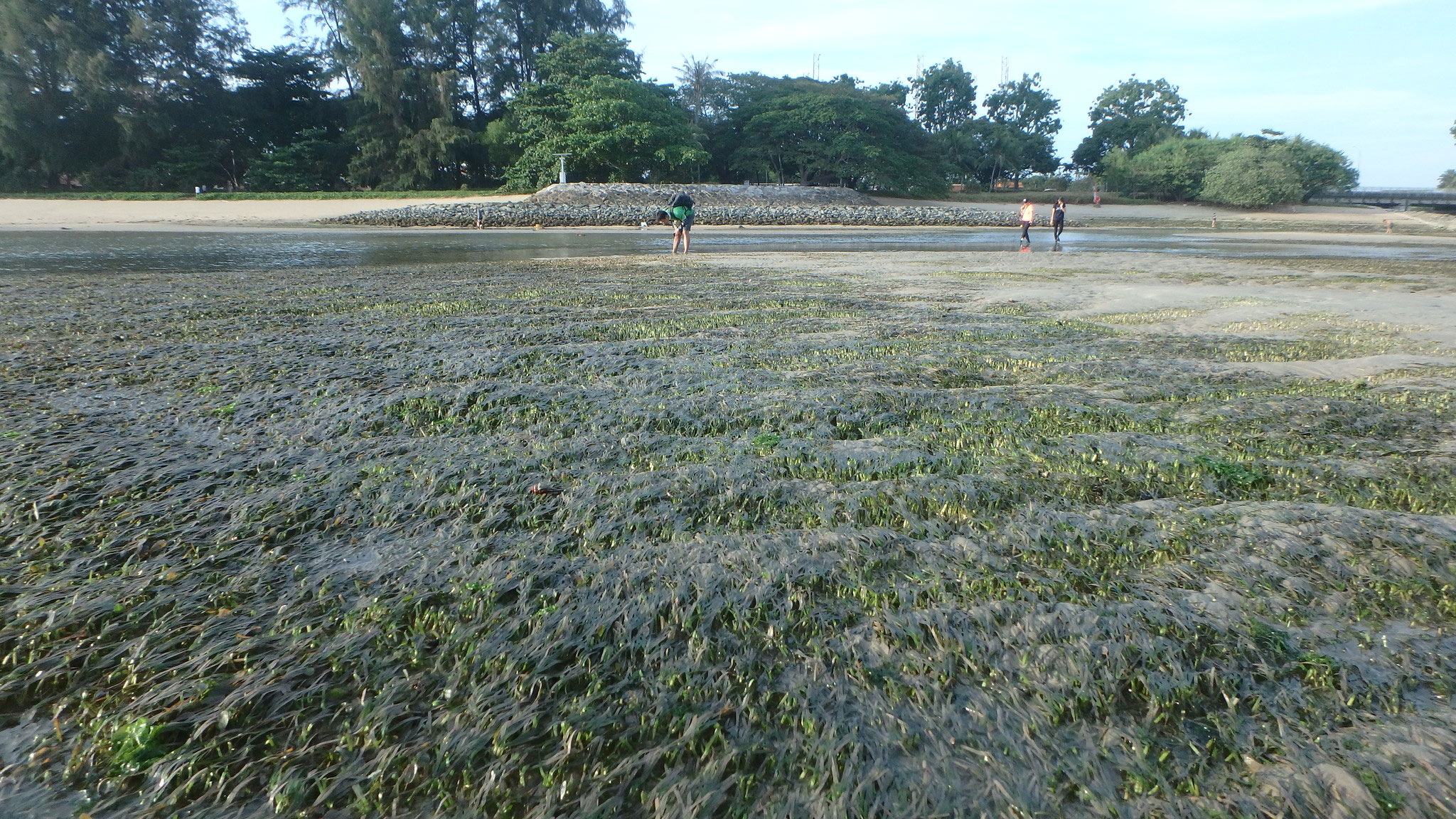
PRESENT
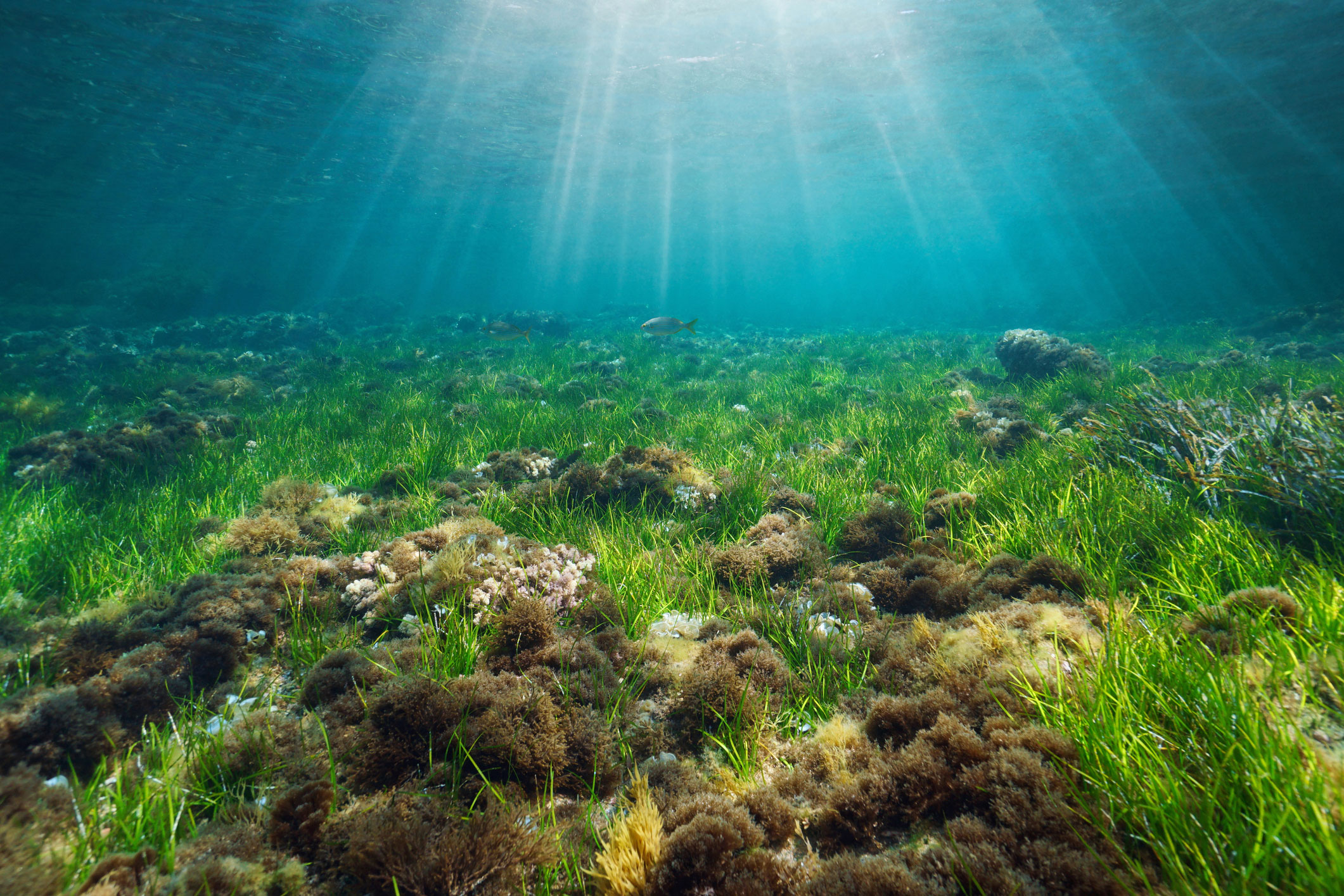
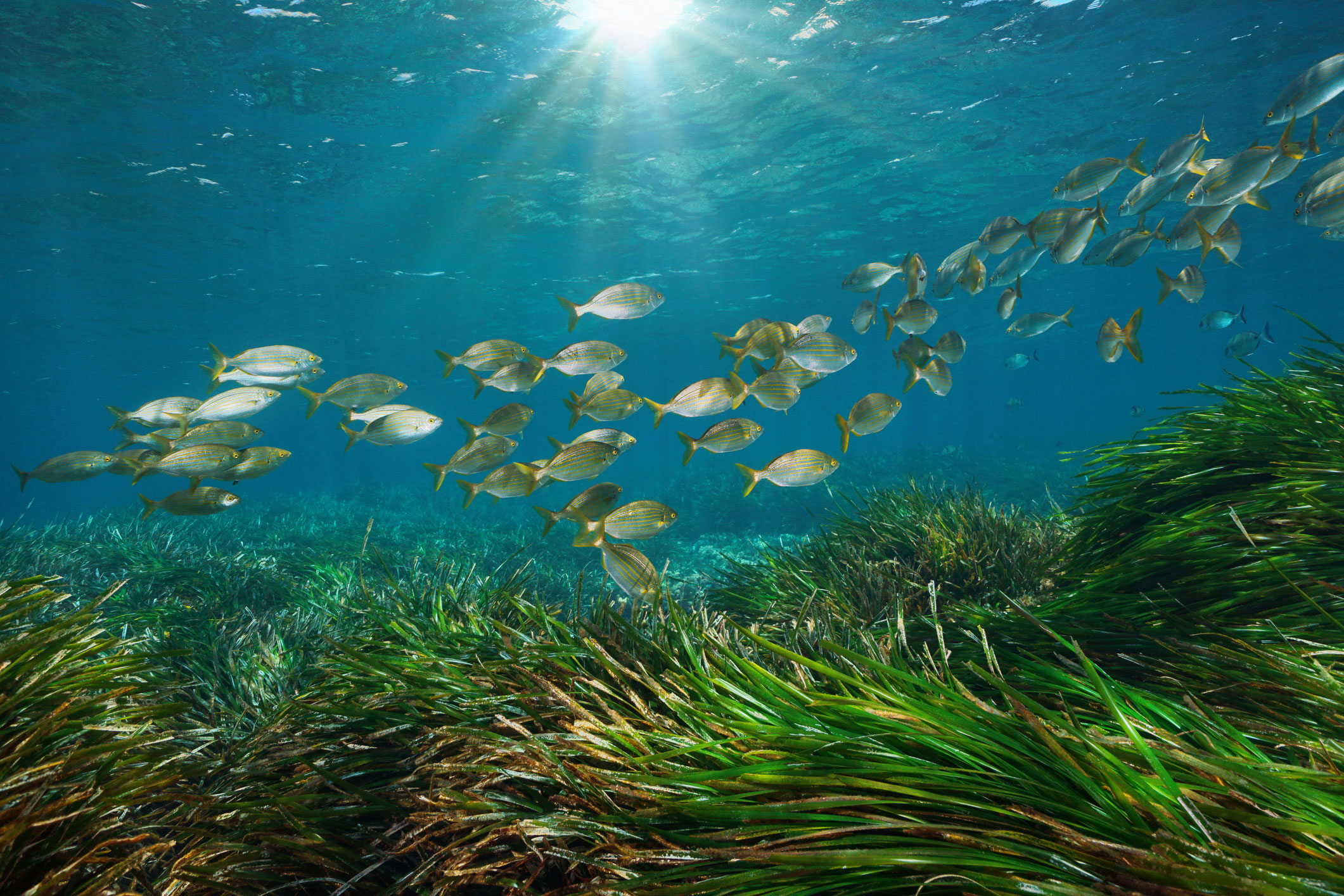
Lush seagrass meadows at East Coast Park, Feb 2019
Credit: www.wildsingapore.com
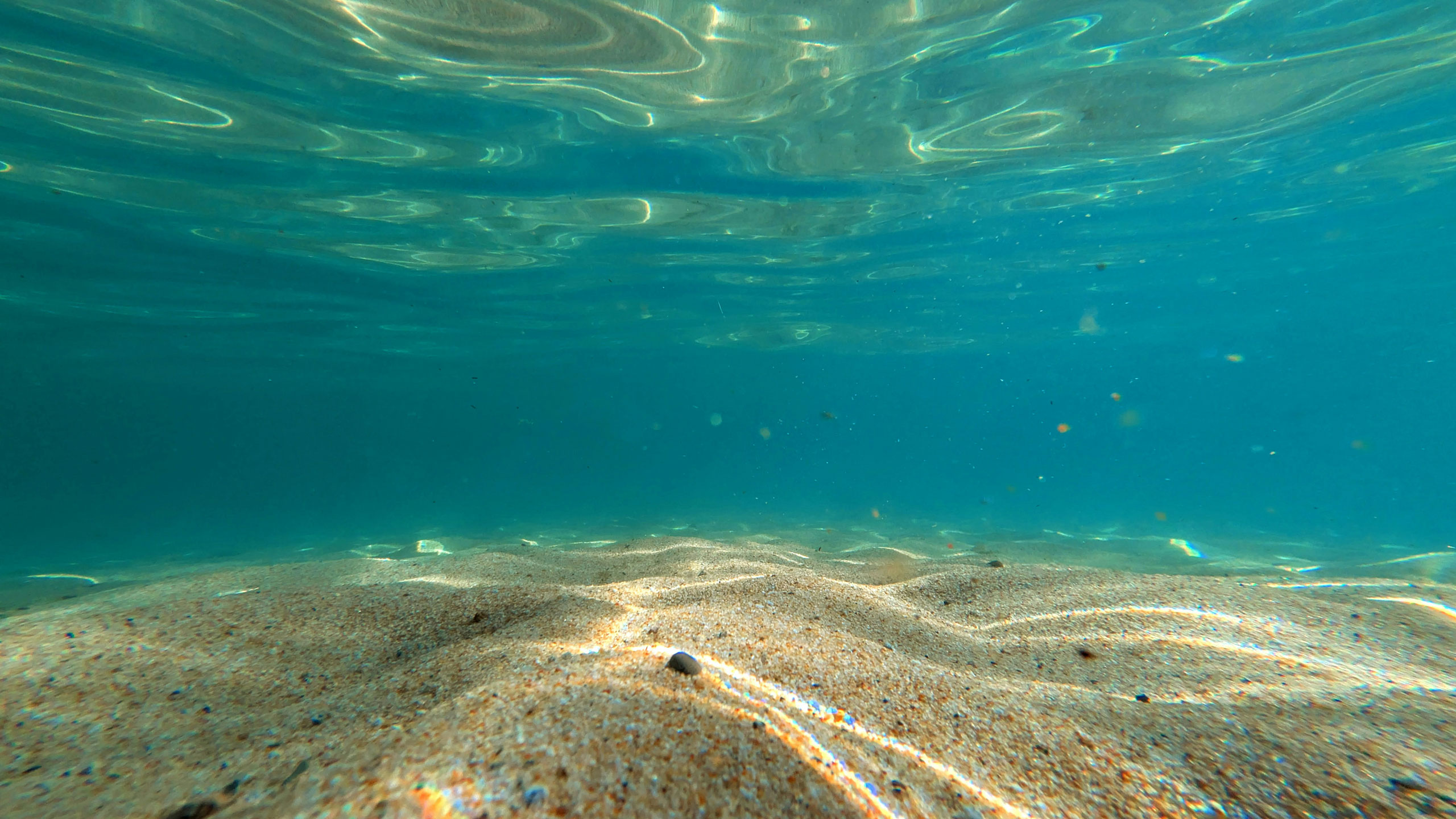
POSSIBLE FUTURE
Barren ocean floor without seagrass restoration.
Aishwarya MV / Unsplash
←  Slide across to witness the impact of inaction on our seagrass ecosystem.  →

OCEAN CARBON STORAGE

/A powerful carbon storage right here in our waters.

/A powerful carbon storage
right here in our waters.

Seagrass meadows capture and store carbon efficiently, helping to regulate the climate. They also support marine biodiversity and protect coastlines by reducing erosion.

35x

faster carbon capture than tropical rainforests

429 Tg

of carbon stored in Southeast Asia’s seagrass alone

*Tg (teragrams) is a unit used to measure carbon storage

~10%

of the ocean’s carbon storage, from just 0.2% of the seafloor

/Importance of seagrass

Absorbs Carbon Dioxide

Helps take in CO₂ from the atmosphere, supporting climate regulation.
Locks carbon away in the seabed for the long term, helping to reduce emissions. This carbon can remain stored for hundreds to thousands of years.

Stores Carbon

Supports Marine Life

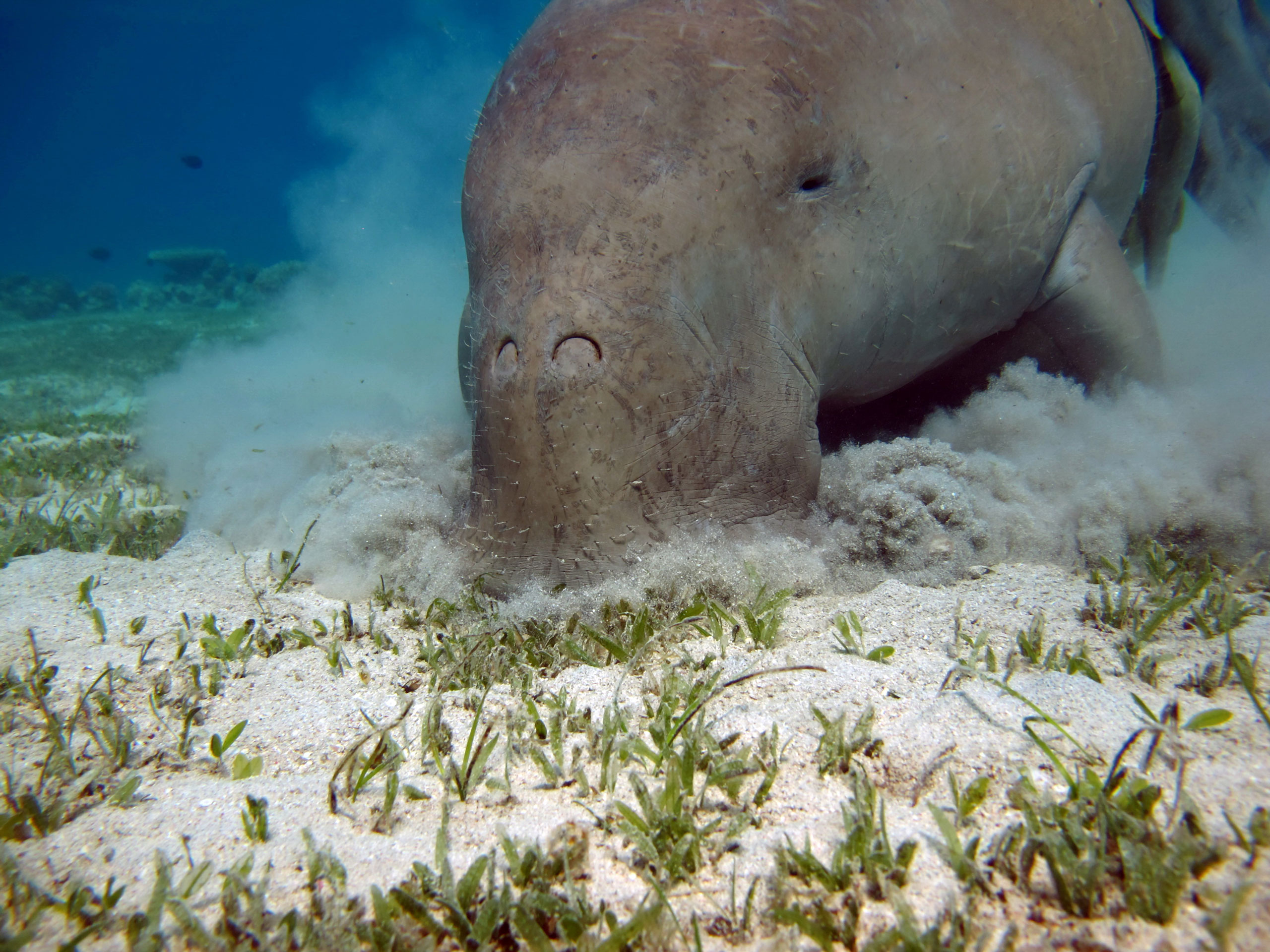
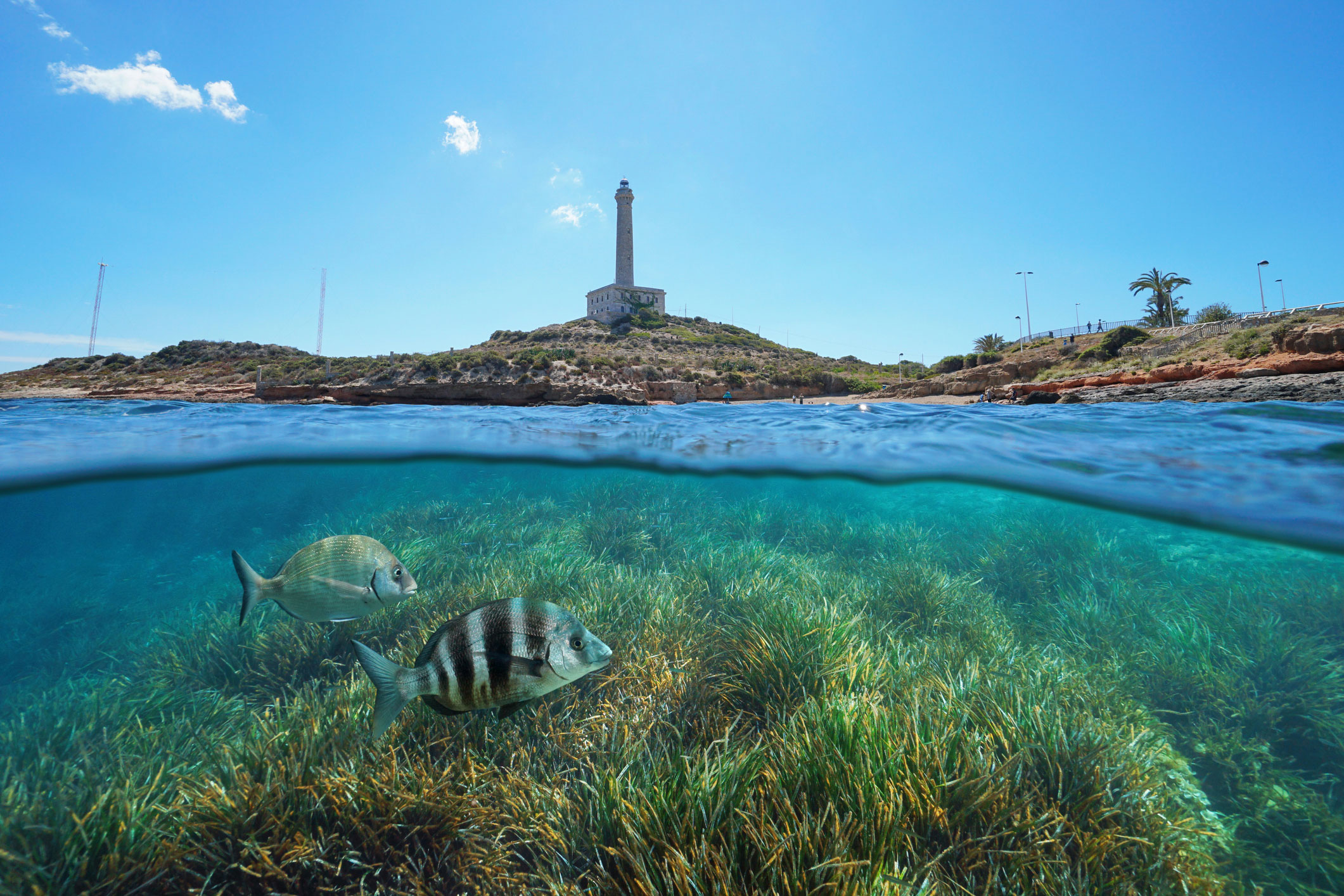
Provides food and shelter for species like dugongs, fish, sea cucumbers, and more.
Stabilizes seabeds and reduces wave impact, helping to prevent coastal erosion.

Protect Coastlines

Keeps Ecosystems Healthy

Plays a vital role in maintaining balanced and resilient ecosystems.

When seagrass dies, the carbon it stores is released back into the ocean and atmosphere, turning a natural carbon sink into a source of emissions.

The only way to stop that reversal is to grow seagrass back.

SINGAPORE'S LOCAL SEAGRASS

/We Are Losing a Blue Garden Most

Singaporeans Have Never Seen

Image Credit: www.wildsingapore.com

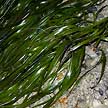
Hairy spoon seagrass
Hairy spoon seagrass (Halophila decipiens)
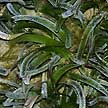
Fern seagrass
Fern seagrass (Halophila decipiens)
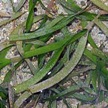
Smooth ribbon seagrass
Smooth ribbon seagrass (Cymodocea rotundata)
Tape seagrass
Tape seagrass (Enhalus acoroides)
Serrated ribbon seagrass
Serrated ribbon seagrass (Cymodocea serrulata)
Sickle seagrass
Sickle seagrass (Thalassia hemprichii)

Image Credit: www.wildsingapore.com

Singapore is home to 12 of the 23 seagrass species found across the Indo-Pacific, with meadows at places like Chek Jawa, Cyrene Reef, Pulau Semakau, and Changi Beach, where planned reclamation may affect important seagrass habitats and the ecosystems they support

What took centuries to grow cannot be prompted back into existence.

Learn About Threats To Seagrass
Or continue the trail

Singapore is home to 12 of the 23 seagrass species found across the Indo-Pacific, with meadows at places like Chek Jawa, Cyrene Reef, Pulau Semakau, and Changi Beach, where planned reclamation may affect important seagrass habitats and the ecosystems they support

What took centuries to grow cannot be prompted back into existence.

Learn About Threats To Seagrass

Or continue the trail

THE REGIONAL CRISIS

/Southeast Asia: A Region Under Pressure

/Southeast Asia:
A Region Under Pressure

Southeast Asia is a critical region for seagrass, but these ecosystems are under growing pressure from coastal development, pollution and climate change impacts. Beyond their local importance, seagrass meadows are deeply interconnected, where impacts in one area can ripple across the wider marine and natural environment, affecting ecosystems both regionally and beyond.

ACROSS SOUTH EAST ASIA

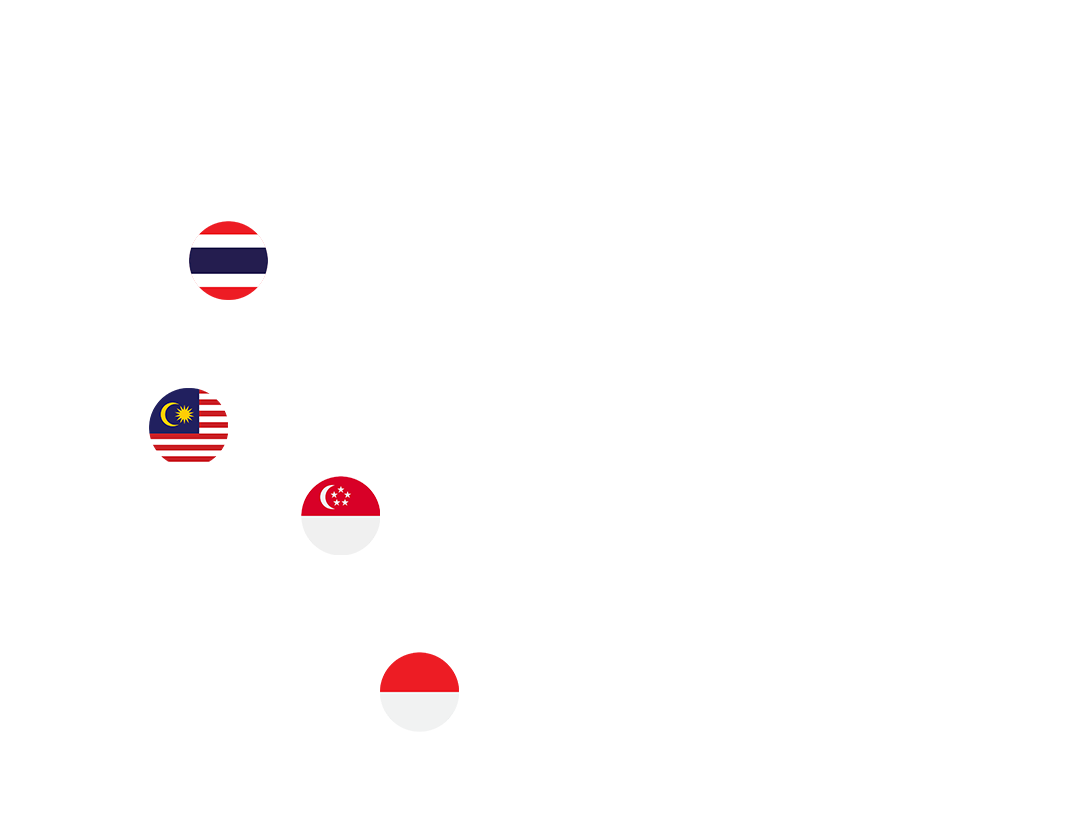
Thailand

  • ~200–250 dugongs (Andaman Sea)
  • Seagrass habitats here are relatively well-studied, with identified feeding grounds.

Malaysia

  • ~688–1,376 dugongs (East Malaysia)
  • Seagrass meadows occur along coastal areas such as Sabah, supporting diverse marine ecosystems.

Singapore

  • No confirmed population estimate (critically endangered locally).
  • Dugong sightings are rare, but feeding trails and observations indicate that seagrass areas (e.g. Johor Strait, Cyrene Reef) remain active foraging habitats.

Indonesia

  • ~1,000 dugongs (North Sulawesi)
  • Indonesia hosts some of the world’s most extensive seagrass meadows, although monitoring remains uneven across regions.

Data availability varies by country, and differences in monitoring efforts  mean some seagrass and dugong estimates may be incomplete or not up-to-date . In some areas, limited data reflects ongoing challenges in tracking and understanding these ecosystems.

Seagrass and dugongs are found across the region, but data gaps remain due to limited long-term monitoring. They are often found in small, scattered populations, making them vulnerable to environmental pressures.

Explore how seagrass ecosystems and dugongs are found across the region.

HOVER OVER A COUNTRY
SELECT A COUNTRY

Seagrass health is deeply interconnected—impacts in one area can influence the health of the wider marine and natural ecosystem.

Take Action For Nature
Your gift supports all WWF-Singapore's programmes and activities in Singapore and across Southeast Asia. These programmes and activities may include, but are not limited to, nature conservation, marine and forest restoration, environmental sustainability as well as local and regional community education programmes. Please note that your gift to us under this campaign will not qualify to receive a tax-deductible receipt.

Or continue the trail

THERE'S HOPE FOR SEAGRASS

/Our Blue Garden Can Recover,

But Not Fast Enough

Without sustained action, seagrass loss may continue to outpace recovery, threatening the ecosystems that depend on these vital habitats.

While seagrass can recover naturally, the process is slow. With your support, we can help restore and protect our blue garden for future generations.

Support Our Conservation Efforts
Your gift supports all WWF-Singapore's programmes and activities in Singapore and across Southeast Asia. These programmes and activities may include, but are not limited to, nature conservation, marine and forest restoration, environmental sustainability as well as local and regional community education programmes. Please note that your gift to us under this campaign will not qualify to receive a tax-deductible receipt.

Keep following the trail

iStock-1321250906
Caorusel-2
Caorusel-3
Caorusel-4
Caorusel-5

Keep following the trail

OCEAN CARBON STORAGE

/A powerful carbon storage right here in our waters.

/A powerful carbon storage
right here in our waters.

Seagrass meadows capture and store carbon efficiently, helping to regulate the climate. They also support marine biodiversity and protect coastlines by reducing erosion.

35x

faster carbon capture than tropical rainforests

429 Tg

of carbon stored in Southeast Asia’s seagrass alone

*Tg (teragrams) is a unit used to measure carbon storage

~10%

of the ocean’s carbon storage, from just 0.2% of the seafloor

/Importance of seagrass

Absorbs Carbon Dioxide

Helps take in CO₂ from the atmosphere, supporting climate regulation.
Locks carbon away in the seabed for the long term, helping to reduce emissions. This carbon can remain stored for hundreds to thousands of years.

Stores Carbon

Supports Marine Life

Provides food and shelter for species like dugongs, fish, sea cucumbers, and more.
Stabilizes seabeds and reduces wave impact, helping to prevent coastal erosion.

Protect Coastlines

Keeps Ecosystems Healthy

Plays a vital role in maintaining balanced and resilient ecosystems.

When seagrass dies, the carbon it stores is released back into the ocean and atmosphere, turning a natural carbon sink into a source of emissions.

The only way to stop that reversal is to grow seagrass back.

No /prompt can bring
our seagrass back.
Take Action for Nature
Your gift supports all WWF-Singapore's programmes and activities in Singapore and across Southeast Asia. These programmes and activities may include, but are not limited to, nature conservation, marine and forest restoration, environmental sustainability as well as local and regional community education programmes. Please note that your gift to us under this campaign will not qualify to receive a tax-deductible receipt.

Strengthening Ecosystem Resilience

Present and Possible Future

/AI can generate anything. But it can’t bring seagrass back to life

Seagrass has thrived in Singapore’s waters for centuries. It stores carbon faster than rainforests and supports marine life including dugongs, their sole food source, as well as green turtles and many other species. But over 45% has been lost in the past five decades. If we do nothing, even more could disappear in the next decade. No AI prompt can bring it back.

PRESENT
Lush seagrass meadows at East Coast Park, Feb 2019
Credit: www.wildsingapore.com
POSSIBLE FUTURE
Barren ocean floor without seagrass restoration.
Aishwarya MV / Unsplash
←  Slide across to witness the impact of inaction on our seagrass ecosystem.  →

No /prompt can bring
our seagrass back.
Take Action for Nature
Your gift supports all WWF-Singapore's programmes and activities in Singapore and across Southeast Asia. These programmes and activities may include, but are not limited to, nature conservation, marine and forest restoration, environmental sustainability as well as local and regional community education programmes. Please note that your gift to us under this campaign will not qualify to receive a tax-deductible receipt.

Strengthening Ecosystem Resilience

/Want more information?

Here's an FAQ for you:

Accordion Title

Accordion Content

Where does my gift go, and how will it help protect seagrass and wildlife?

Your gift supports WWF-Singapore’s broader conservation efforts across Singapore and the region. Contributions are directed to where they are needed most to address evolving conservation priorities and create the greatest impact for nature and wildlife. 

These efforts may include work related to seagrass ecosystems, marine biodiversity, habitat protection, community engagement, research, and other priority conservation initiatives. Examples of projects may occasionally be shared to illustrate the types of work supported, but gifts are not allocated to any single programme or species.

This flexible approach enables WWF-Singapore to respond effectively to emerging environmental challenges and support long-term, sustainable conservation outcomes.

How do I know if my gift is making an impact?

As a supporter, you will receive monthly updates on WWF-Singapore’s conservation efforts and the broader impact of the work your contribution helps make possible. These updates may include stories from the field, progress highlights, research insights, community initiatives, and developments across priority conservation areas.

While conservation outcomes often take time and may not always be tied to a single project or milestone, your support helps sustain long-term, science-based efforts to protect and restore nature for future generations.

Is my gift tax deductible?

No, gifts to this campaign are not tax-deductible. This approach allows us to direct funds where conservation priorities are most urgent and impactful, ensuring resources can be distributed flexibly to support critical needs as they arise. Rest assured that every contribution will go toward advancing meaningful conservation efforts and creating lasting impact for nature and wildlife.

How is NUS TMSI involved in the project execution?

This project is carried out in collaboration with the National University of Singapore, Tropical Marine Science Institute (NUS TMSI) located at St John’s Island. 

The focus is on developing and testing a prototype seagrass nursery in Singapore for Southeast Asia, rather than large-scale restoration. The project aims to build technical knowledge, identify best practices, and document learnings that can be adapted in other locations. 

Through this collaboration, the project contributes to broader ecosystem conservation by strengthening knowledge and capacity in seagrass science and management.

What is WWF-Singapore’s role in the NUS TMSI seagrass nursery project?

WWF-Singapore supports the project as a funder and collaborator, helping to advance conservation efforts in the public interest.

This includes working with partners to support research, facilitate collaboration, and ensure that findings contribute to broader conservation outcomes.

How does WWF Singapore measure and report conservation outcomes?

WWF-Singapore tracks progress through a combination of research outputs, project milestones, and partnerships.

Rather than focusing on a single metric, outcomes are assessed across broader ecosystem goals—such as improved knowledge, strengthened conservation practices, and contributions to long-term environmental resilience.

Updates are shared through reports and campaign communications where relevant.

Does WWF-Singapore work with governments and corporations?

Yes, WWF-Singapore works with a range of partners, including governments, corporations, research institutions, and local communities.

These collaborations help scale conservation impact, support policy and best practices, and address environmental challenges at a systems level.

Your gift supports all WWF-Singapore’s programmes and activities in Singapore and across Southeast Asia. These programmes and activities may include, but are not limited to, nature conservation, marine and forest restoration, environmental sustainability as well as local and regional community education programmes. Please note that your gift to us under this campaign will not qualify to receive a tax-deductible receipt.