Skip to content
  • The Story
  • Why Seagrass Matters
  • FAQ
  • Take Action
  • The Story
  • Why Seagrass Matters
  • FAQ
  • Take Action

Why Seagrass Matters

Why
Seagrass
Matters

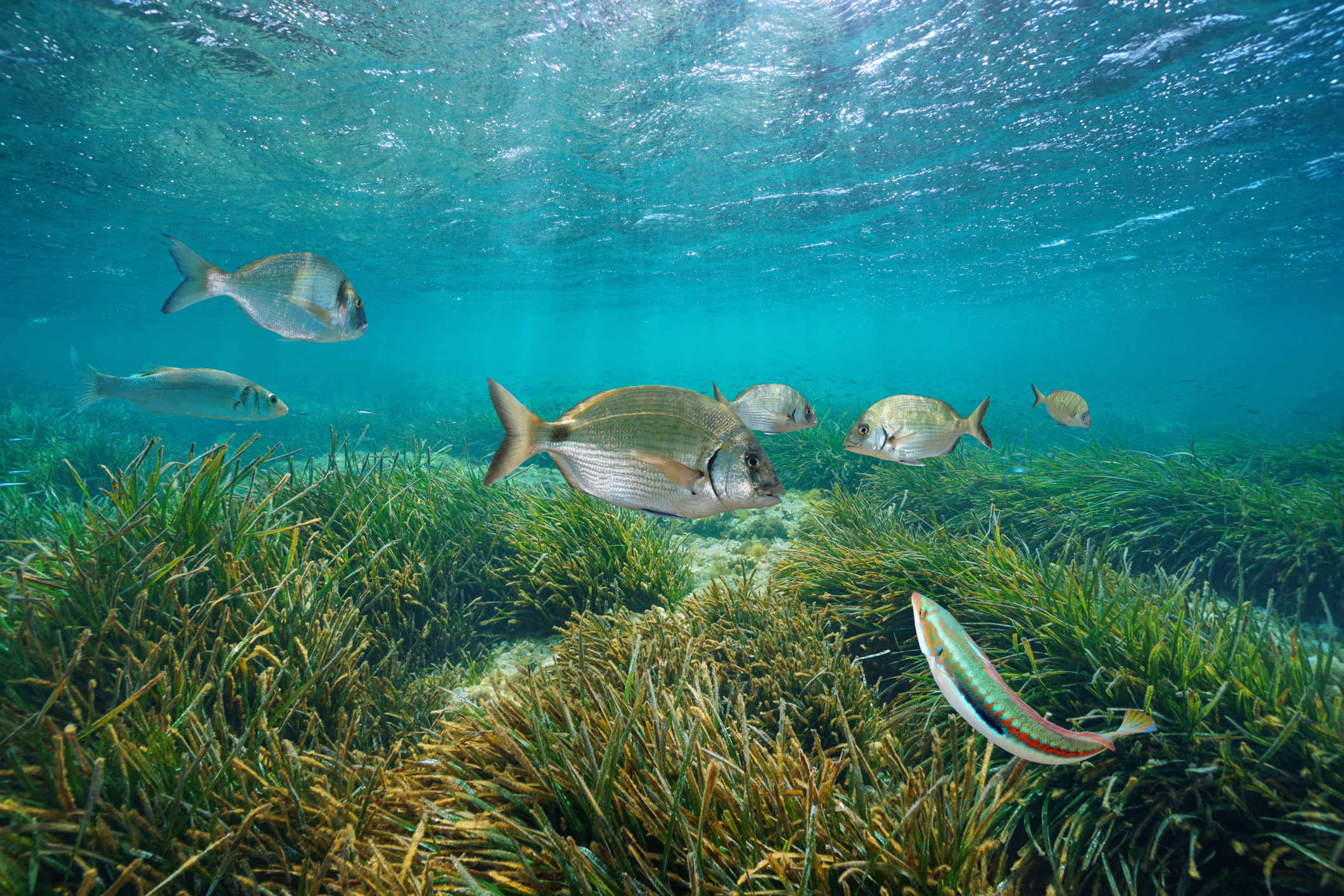
Did you know? Seagrass meadows cover less than 0.2% of the ocean, yet their impact is far greater.

They support marine life, help stabilize coastlines, and store carbon in their soils over long periods of time.

Because they lie beneath the surface, their decline often goes unnoticed until much is already lost. When seagrass disappears, it affects the wider ecosystems that depend on it, with impacts that extend far beyond a single habitat.
Learn More

UNDERSTANDING THE PROBLEM

1

/Threats To Seagrass Populations

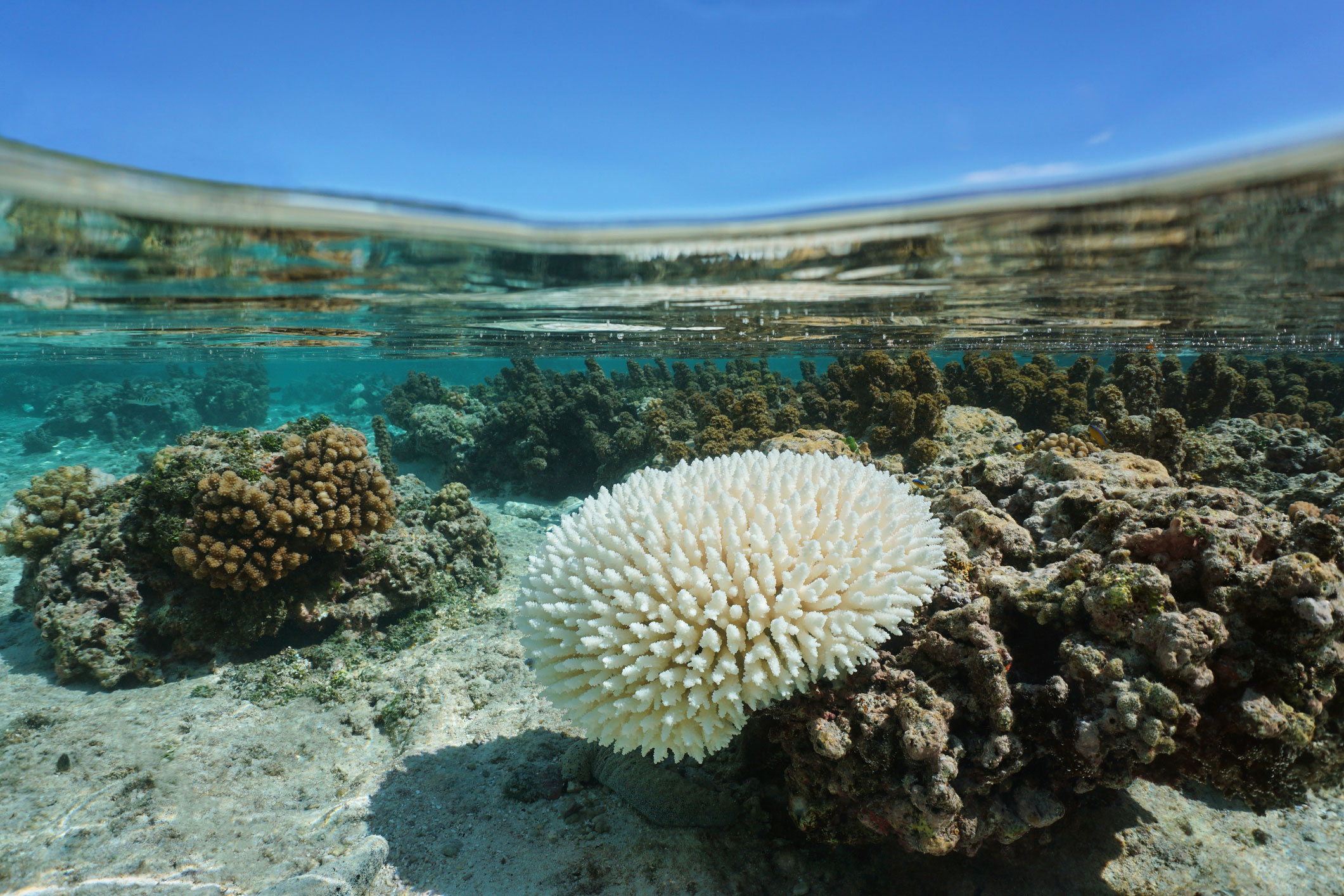
Seagrass ecosystems across Southeast Asia are under growing pressure, with some areas losing over 7% per year since the 1990s. This is faster than natural recovery can keep up with.

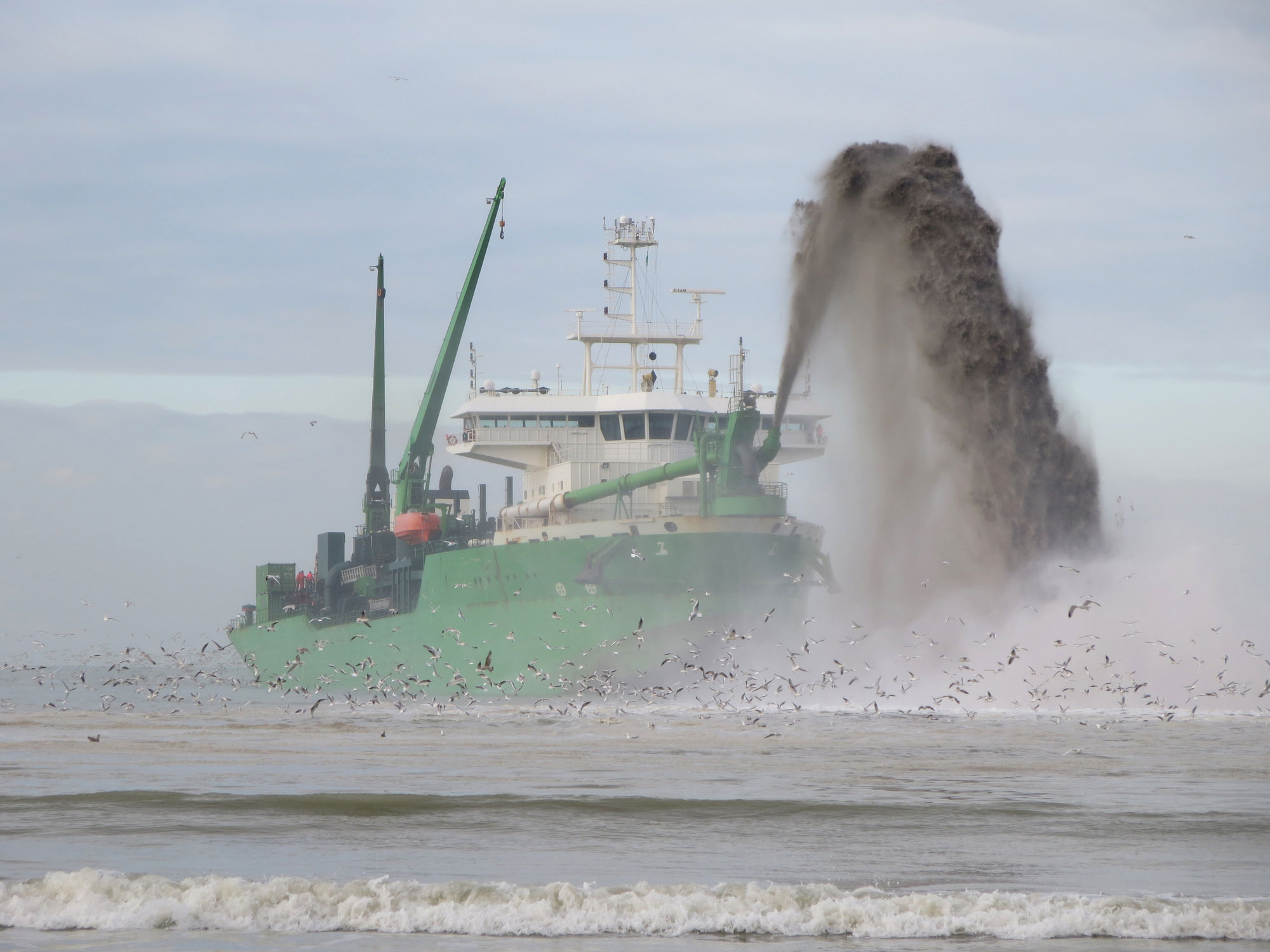
Shipping and Dredging

Disturbs seabeds, removes seagrass habitats, and reduces water clarity needed for growth.

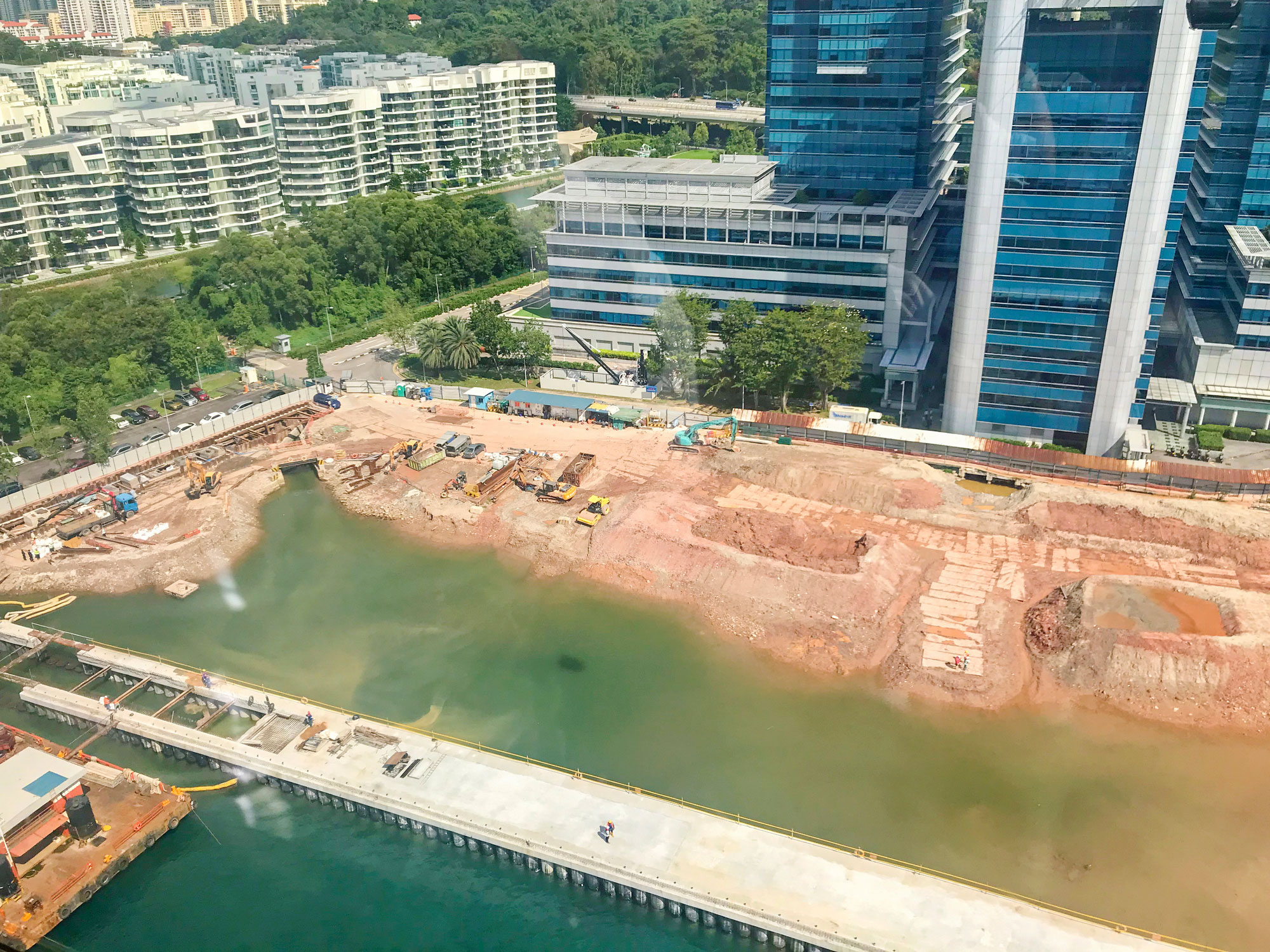
Land Reclamation

Alters or removes shallow coastal areas where seagrass grows.

Climate Change

Rising temperatures and changing conditions affect growth, survival, and recovery.

Pollution and Runoff

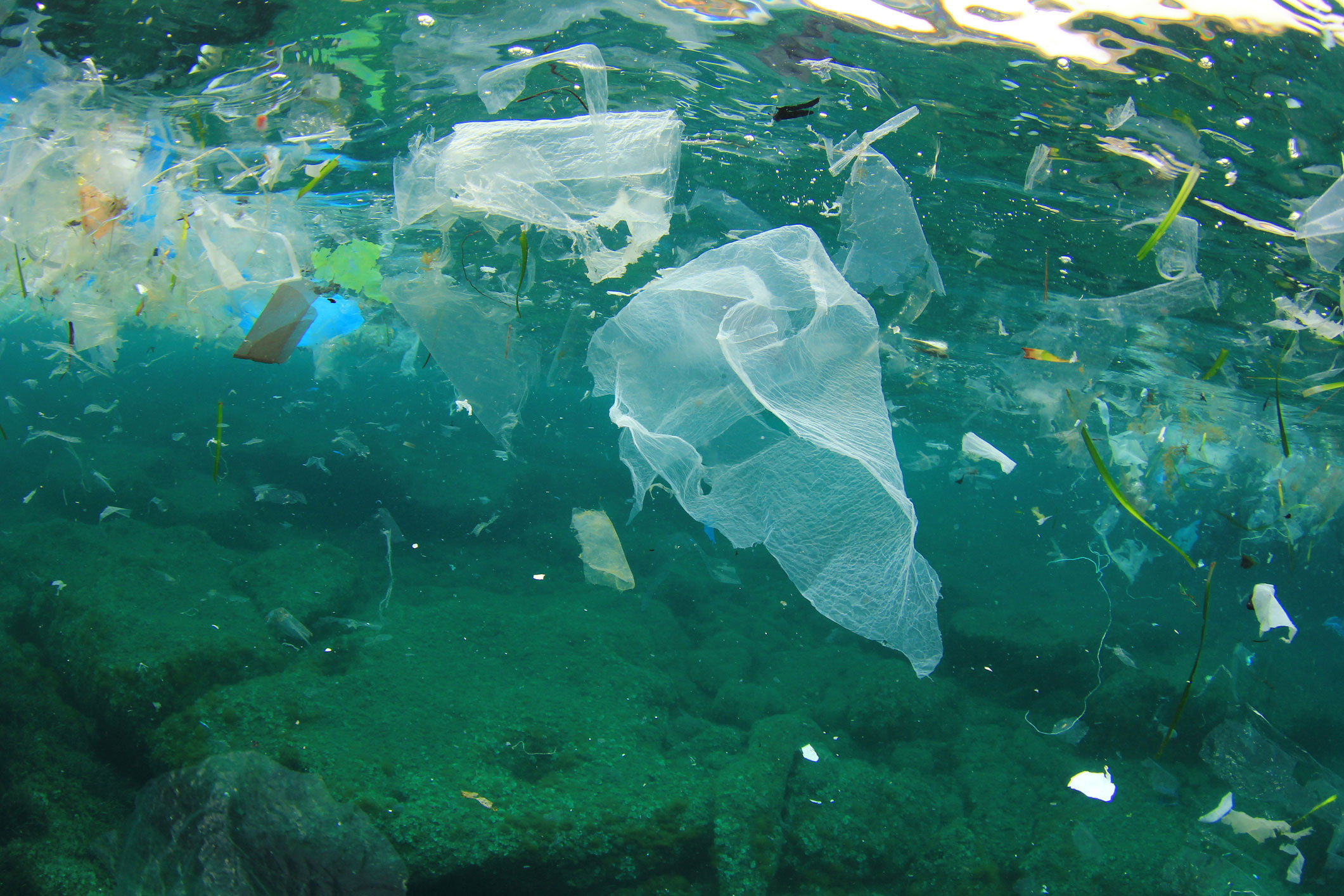
Sediments and unnatural nutrients in the water reduce sunlight and impact seagrass health.

In Singapore alone, more than 45% of seagrass meadows have been lost over the last five decades.

What remains continues to face ongoing stress.

Help Protect What Remains
Your gift supports all WWF-Singapore's programmes and activities in Singapore and across Southeast Asia. These programmes and activities may include, but are not limited to, nature conservation, marine and forest restoration, environmental sustainability as well as local and regional community education programmes. Please note that your gift to us under this campaign will not qualify to receive a tax-deductible receipt.

Continue the trail

THE BUNDLED SOLUTION

2

/Restoring and Protecting What Sustains Us

Protecting seagrass requires research, conservation, and community action to strengthen climate resilience and restore seagrass as part of the wider natural ecosystem in Singapore and the region.

01

Partnerships

We work with partners such as WWF-Philippines, WWF-Malaysia, WWF-Indonesia, and the National University of Singapore’s Tropical Marine Science Institute (NUS TMSI) to drive impactful marine conservation work.


These efforts include establishing Singapore’s first seagrass nursery prototype in partnership with NUS TMSI, as well as contributing to the wider marine habitat conservation across Sulu-Sulawesi Blue Corridor (SSBC) alongside a network of regional partners.

02

On-the-ground Conservation

We support habitat conservation , coastal protection, and related initiatives such as seagrass nursery development work, beach clean-ups, and policy engagement. Together, these efforts help restore balance across interconnected marine and coastal ecosystems.

03

Local and Regional Awareness

Public outreach, campaigns, and events highlight the role of seagrass within the wider natural ecosystem. By building awareness, we encourage action that supports healthier and more resilient marine environments.

04

Community Involvement

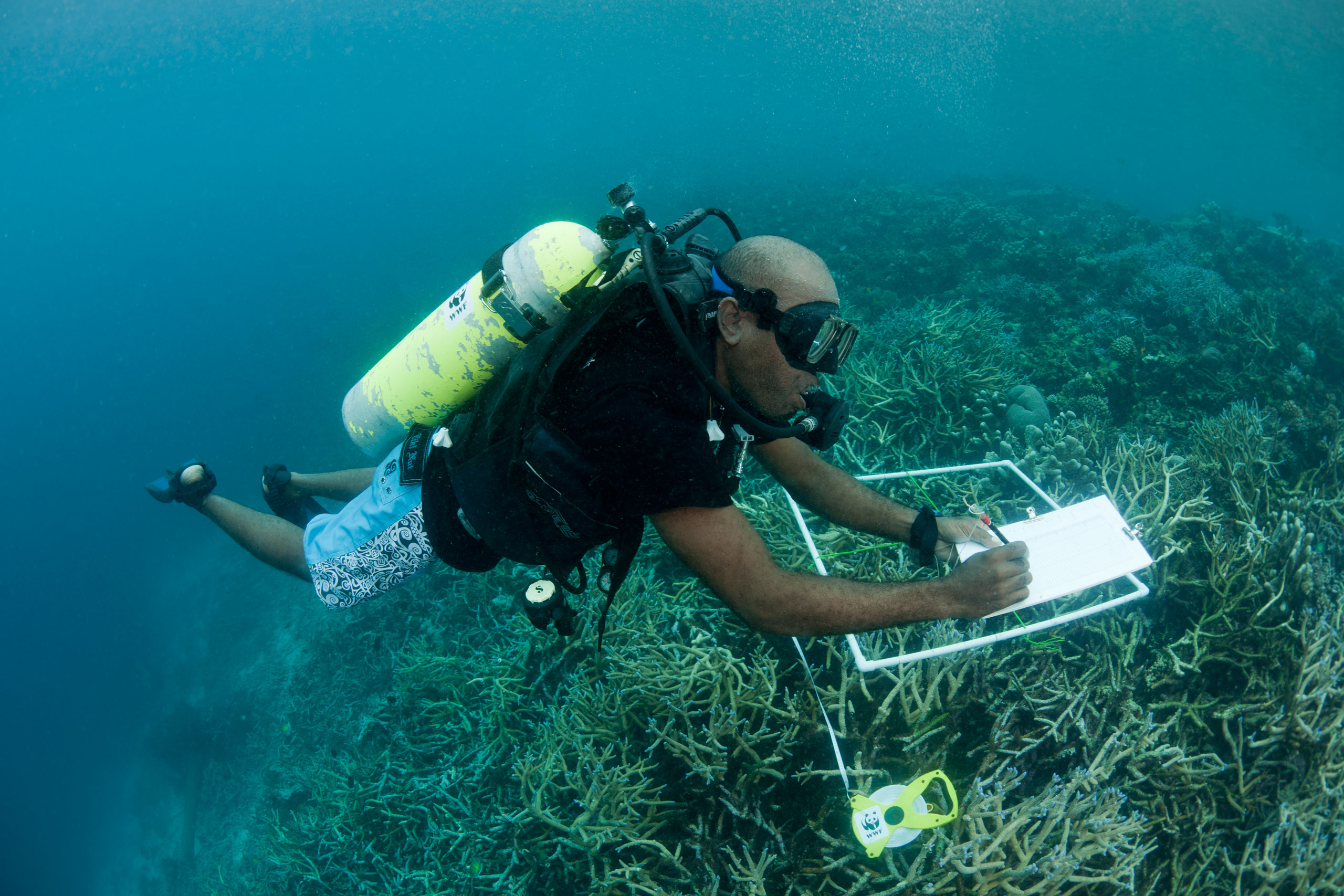
Volunteer programmes, education, and citizen science initiatives empower local and regional communities to take part in protecting and restoring nature. These collective efforts strengthen the health of entire ecosystems, not just individual habitats.

05

Habitat Protection

Protecting seagrass meadows and connected ecosystems such as coral reefs and mangroves is essential to maintaining biodiversity, supporting wildlife, and sustaining the wider natural system that all life depends on.

These efforts are not standalone but work in sync across the region to strengthen the health and resilience of our natural ecosystems.

Take Action for Nature
Your gift supports all WWF-Singapore's programmes and activities in Singapore and across Southeast Asia. These programmes and activities may include, but are not limited to, nature conservation, marine and forest restoration, environmental sustainability as well as local and regional community education programmes. Please note that your gift to us under this campaign will not qualify to receive a tax-deductible receipt.

THE BIGGER PICTURE

3

/Everything is Connected

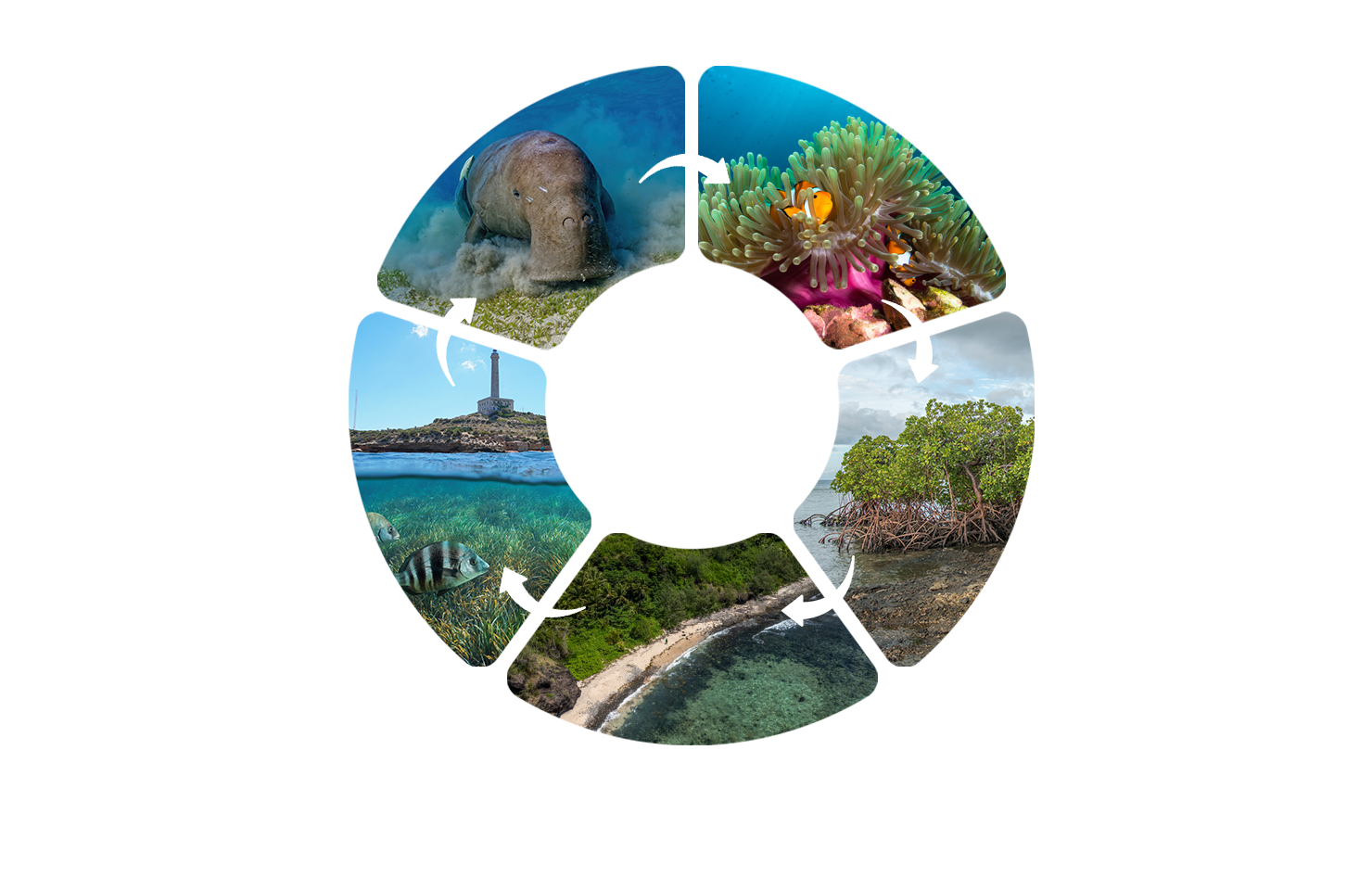
Seagrass ecosystems are part of a larger, interconnected natural system that links oceans, coastlines, and terrestrial environments.

Seagrass supports marine life, from small invertebrates to larger species like turtles and dugongs. These species interact with other ecosystems, including coral reefs and mangroves.

When one part of this system is affected, the impact can ripple across the entire ecosystem.

Protecting seagrass means protecting the connections that sustain life, both below the surface and beyond.

No /prompt can bring
our seagrass back.

Take Action for Nature
Your gift supports all WWF-Singapore's programmes and activities in Singapore and across Southeast Asia. These programmes and activities may include, but are not limited to, nature conservation, marine and forest restoration, environmental sustainability as well as local and regional community education programmes. Please note that your gift to us under this campaign will not qualify to receive a tax-deductible receipt.

Strengthening Ecosystem Resilience

/Want more information?

Here's an FAQ for you:

Accordion Title

Accordion Content

Where does my gift go, and how will it help protect seagrass and wildlife?

Your gift supports WWF-Singapore’s broader conservation efforts across Singapore and the region. Contributions are directed to where they are needed most to address evolving conservation priorities and create the greatest impact for nature and wildlife. 

These efforts may include work related to seagrass ecosystems, marine biodiversity, habitat protection, community engagement, research, and other priority conservation initiatives. Examples of projects may occasionally be shared to illustrate the types of work supported, but gifts are not allocated to any single programme or species.

This flexible approach enables WWF-Singapore to respond effectively to emerging environmental challenges and support long-term, sustainable conservation outcomes.

How do I know if my gift is making an impact?

As a supporter, you will receive monthly updates on WWF-Singapore’s conservation efforts and the broader impact of the work your contribution helps make possible. These updates may include stories from the field, progress highlights, research insights, community initiatives, and developments across priority conservation areas.

While conservation outcomes often take time and may not always be tied to a single project or milestone, your support helps sustain long-term, science-based efforts to protect and restore nature for future generations.

Is my gift tax deductible?

No, gifts to this campaign are not tax-deductible. This approach allows us to direct funds where conservation priorities are most urgent and impactful, ensuring resources can be distributed flexibly to support critical needs as they arise. Rest assured that every contribution will go toward advancing meaningful conservation efforts and creating lasting impact for nature and wildlife.

How is NUS TMSI involved in the project execution?

This project is carried out in collaboration with the National University of Singapore, Tropical Marine Science Institute (NUS TMSI) located at St John’s Island. 

The focus is on developing and testing a prototype seagrass nursery in Singapore for Southeast Asia, rather than large-scale restoration. The project aims to build technical knowledge, identify best practices, and document learnings that can be adapted in other locations. 

Through this collaboration, the project contributes to broader ecosystem conservation by strengthening knowledge and capacity in seagrass science and management.

What is WWF-Singapore’s role in the NUS TMSI seagrass nursery project?

WWF-Singapore supports the project as a funder and collaborator, helping to advance conservation efforts in the public interest.

This includes working with partners to support research, facilitate collaboration, and ensure that findings contribute to broader conservation outcomes.

How does WWF Singapore measure and report conservation outcomes?

WWF-Singapore tracks progress through a combination of research outputs, project milestones, and partnerships.

Rather than focusing on a single metric, outcomes are assessed across broader ecosystem goals—such as improved knowledge, strengthened conservation practices, and contributions to long-term environmental resilience.

Updates are shared through reports and campaign communications where relevant.

Does WWF-Singapore work with governments and corporations?

Yes, WWF-Singapore works with a range of partners, including governments, corporations, research institutions, and local communities.

These collaborations help scale conservation impact, support policy and best practices, and address environmental challenges at a systems level.

Your gift supports all WWF-Singapore’s programmes and activities in Singapore and across Southeast Asia. These programmes and activities may include, but are not limited to, nature conservation, marine and forest restoration, environmental sustainability as well as local and regional community education programmes. Please note that your gift to us under this campaign will not qualify to receive a tax-deductible receipt.