Skip to content
  • Home
  • Our Work
    • Our Work
    • Climate
      • Net Zero Carbon
      • Sustainable Finance
    • Sustainability & Circular Economy
      • Sustainable Palm Oil
      • Circular Economy
    • Nature & Biodiversity
      • Illegal Wildlife Trade
      • Marine Conservation
      • Forest Landscape Restoration
    • Closer to Home
      • Future Sustainability Leaders
      • Green Cities
  • About Us
    • About us
    • Chairman & CEO Message
    • Board of Directors
    • Senior Management
    • Whistleblowing Policy
    • Personal Data Protection Policy
    • Work With Us
    • Volunteering
  • Resources
    • Resources
    • Annual Reports
    • News, Reports & Events
  • Partnerships
    • Partnerships
    • Corporate Partnerships
    • Government Partnerships
    • Philanthropy
  • Policies
    • Policies
    • WWF Network Terms And Conditions
    • WWF Non-Network Terms and Conditions
    • WWF Fraud and Corruption Prevention and Investigation Policy
    • WWFS Commitment to Integrity and Good Conduct Policy
    • WWF Environmental and Social Safeguards Framework (ESSF)
    • WWF-Singapore Procurement Terms And Conditions
    • WWF-Singapore Personal Data Protection Policy
    • WWF-Singapore Whistleblowing Policy
  • Home
  • Our Work
    • Our Work
    • Climate
      • Net Zero Carbon
      • Sustainable Finance
    • Sustainability & Circular Economy
      • Sustainable Palm Oil
      • Circular Economy
    • Nature & Biodiversity
      • Illegal Wildlife Trade
      • Marine Conservation
      • Forest Landscape Restoration
    • Closer to Home
      • Future Sustainability Leaders
      • Green Cities
  • About Us
    • About us
    • Chairman & CEO Message
    • Board of Directors
    • Senior Management
    • Whistleblowing Policy
    • Personal Data Protection Policy
    • Work With Us
    • Volunteering
  • Resources
    • Resources
    • Annual Reports
    • News, Reports & Events
  • Partnerships
    • Partnerships
    • Corporate Partnerships
    • Government Partnerships
    • Philanthropy
  • Policies
    • Policies
    • WWF Network Terms And Conditions
    • WWF Non-Network Terms and Conditions
    • WWF Fraud and Corruption Prevention and Investigation Policy
    • WWFS Commitment to Integrity and Good Conduct Policy
    • WWF Environmental and Social Safeguards Framework (ESSF)
    • WWF-Singapore Procurement Terms And Conditions
    • WWF-Singapore Personal Data Protection Policy
    • WWF-Singapore Whistleblowing Policy
Menu
  • Support WWF
    • Donate
    • Adopt
    • Fundraiser
  • Support WWF
    • Donate
    • Adopt
    • Fundraiser
  • Home
  • Our Work
    • Our Work
    • Climate
      • Net Zero Carbon
      • Sustainable Finance
    • Sustainability & Circular Economy
      • Sustainable Palm Oil
      • Circular Economy
    • Nature & Biodiversity
      • Illegal Wildlife Trade
      • Marine Conservation
      • Forest Landscape Restoration
    • Closer to Home
      • Future Sustainability Leaders
      • Green Cities
  • About Us
    • About us
    • Chairman & CEO Message
    • Board of Directors
    • Senior Management
    • Whistleblowing Policy
    • Personal Data Protection Policy
    • Work With Us
    • Volunteering
  • Resources
    • Resources
    • Annual Reports
    • News, Reports & Events
  • Partnerships
    • Partnerships
    • Corporate Partnerships
    • Government Partnerships
    • Philanthropy
  • Policies
    • Policies
    • WWF Network Terms And Conditions
    • WWF Non-Network Terms and Conditions
    • WWF Fraud and Corruption Prevention and Investigation Policy
    • WWFS Commitment to Integrity and Good Conduct Policy
    • WWF Environmental and Social Safeguards Framework (ESSF)
    • WWF-Singapore Procurement Terms And Conditions
    • WWF-Singapore Personal Data Protection Policy
    • WWF-Singapore Whistleblowing Policy
DONATE
ADOPT
SHOP

Building a future in which people live in harmony with nature

Facebook Instagram Youtube Linkedin Twitter

Safeguarding the Beating Heart of Marine Biodiversity – Monitoring and Protecting Reefs in the Coral Triangle and Beyond

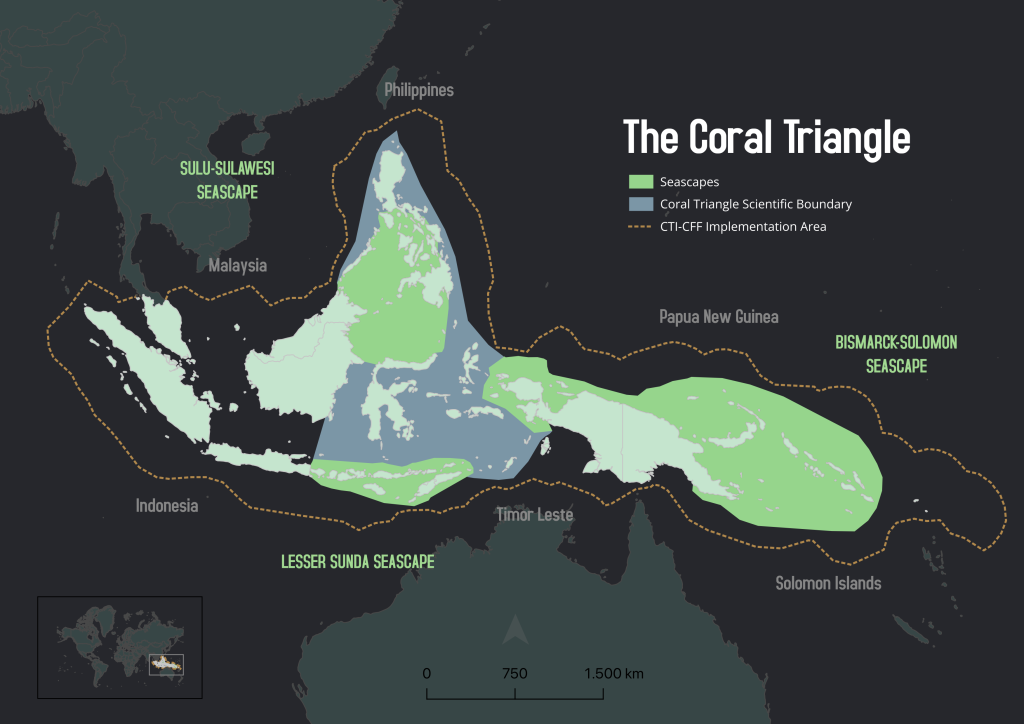
The Coral Triangle is home to the most vital seas on Earth — where the world’s highest marine biodiversity thrives, feeding millions, sheltering coastlines, and stabilizing our climate. Spanning six countries – Indonesia, Malaysia, the Philippines, Papua New Guinea, Solomon Islands, and Timor-Leste, this unique bioregion covers less than 2% of the global ocean yet harbours the world’s highest concentration of coral reef and reef fish diversity. Over 130 million coastal people here are directly reliant on its rich marine and coastal resources, which provides a critical foundation for the food security and livelihoods of millions more in its wider area of influence, including most coastal Asia-Pacific.

At its apex lies the Sulu-Sulawesi Seascape – covering the transboundary waters of the Philippines, Malaysia, and Indonesia. Home to interdependent reef systems, fisheries, and coastal communities, the interconnected blue corridor of this seascape also harbours endangered and threatened marine life including turtles, dolphins, whales, sharks and rays, which are known to feed and breed here.

Despite its importance, the region is increasingly threatened by climate change, overfishing, marine pollution, and coastal development. More than 85% of its reefs are under direct threat from human activities, far exceeding the global average. This makes the Coral Triangle one of the most critical and time-sensitive conservation priorities on the planet.

WWF and Cotton on Foundation Partnership

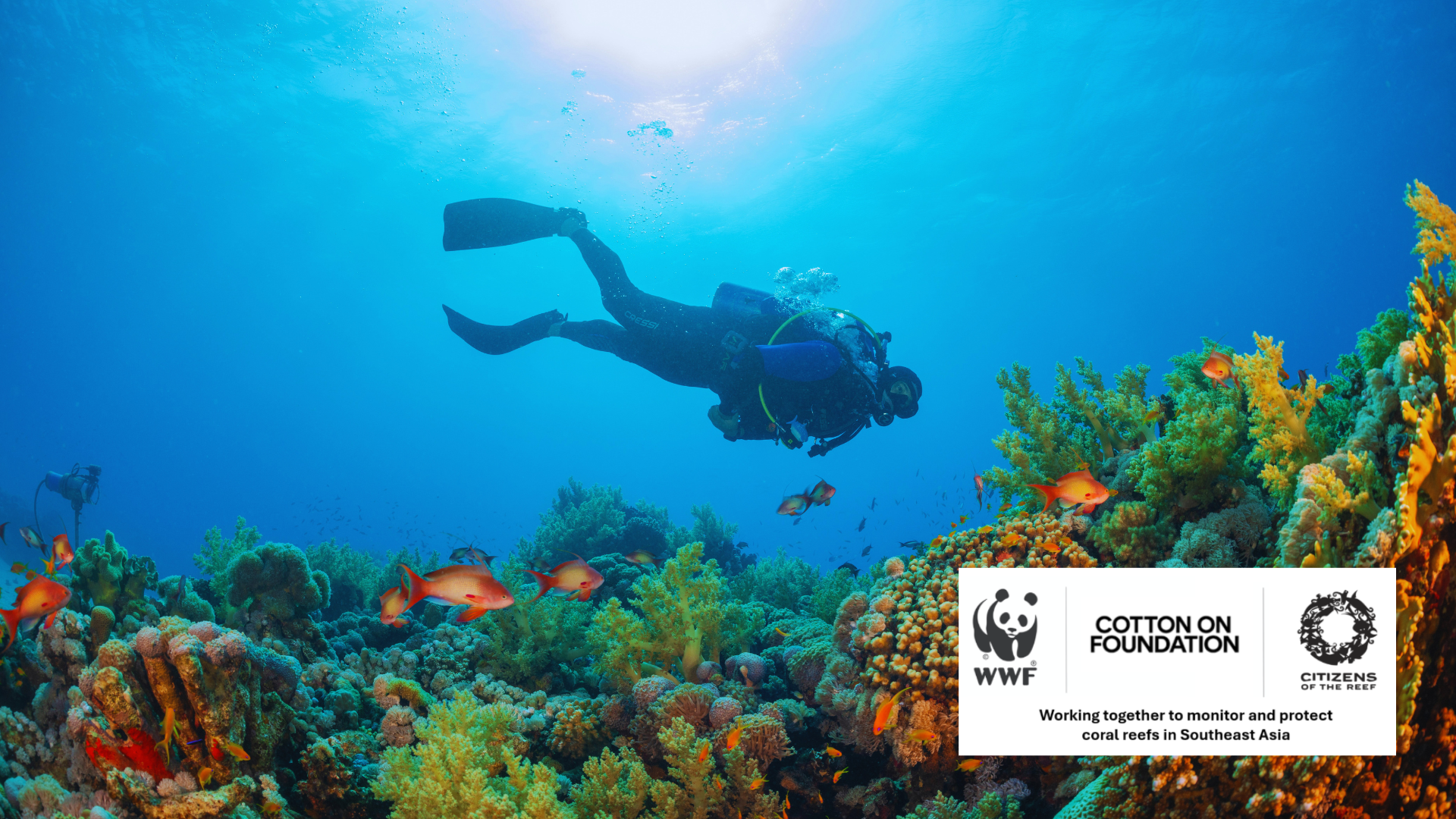
Together with Cotton On Foundation, and Citizens of the Reef, WWF is working on monitoring and protecting coral reefs across the Sulu-Sulawesi Seascape, as well as in Singapore and Hong Kong.

This partnership brings together WWF’s conservation expertise and networks of local partners, Cotton On Foundation’s commitment to long-term impact, and Citizens of the Reef’s innovative approach in reef monitoring and restoration through citizen science.

The programme is designed to drive systemic change across the seascape through transboundary nature-based solutions that aim to restore ecosystems, strengthen coastal resilience and sustain marine biodiversity.

The partnership focuses on three key areas:

  1. Protecting and restoring marine habitats
  2. Promoting sustainable, nature-based tourism
  3. Strengthening community-led conservation
 

Together, these efforts lay the foundation for scalable, sustainable impact in safeguarding the world’s richest marine bioregion.

Our Approach

Pillar 1: Marine Habitat Protection and Restoration
Your Image

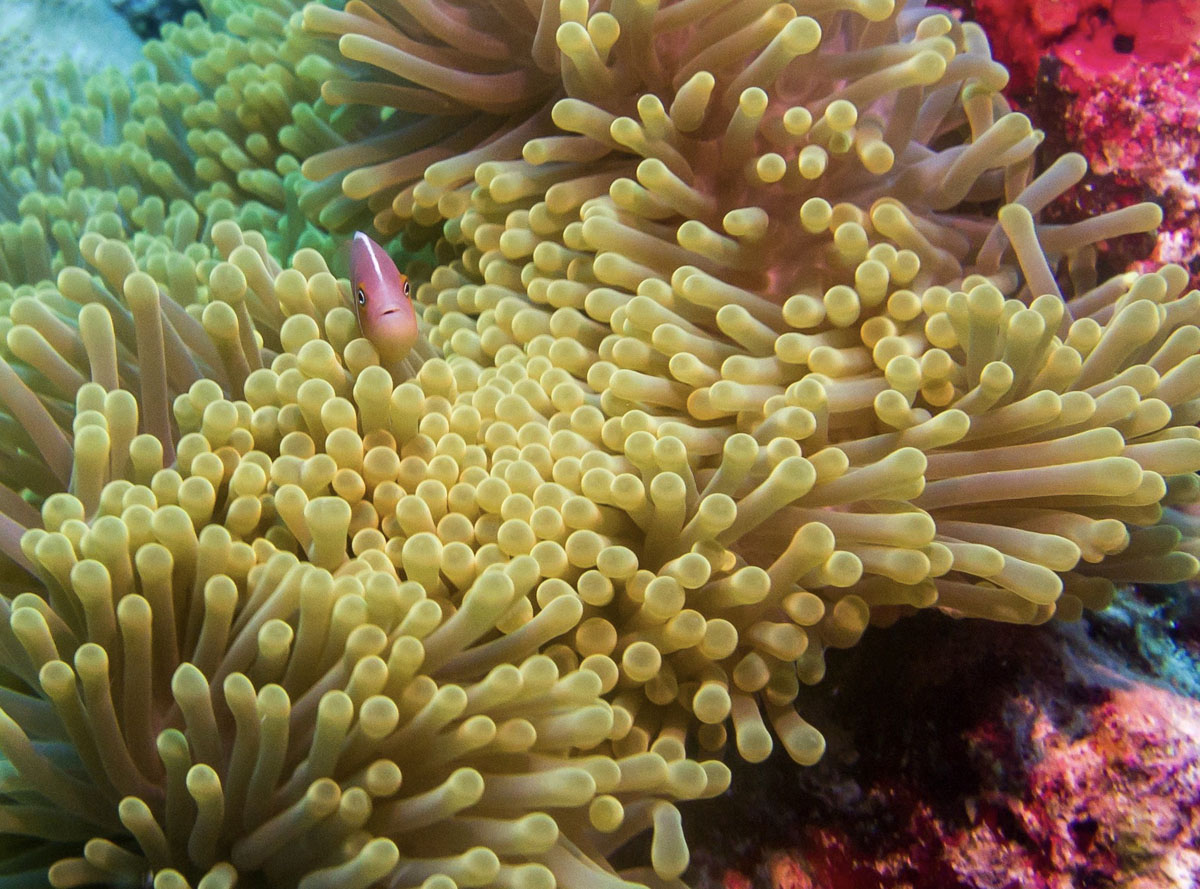
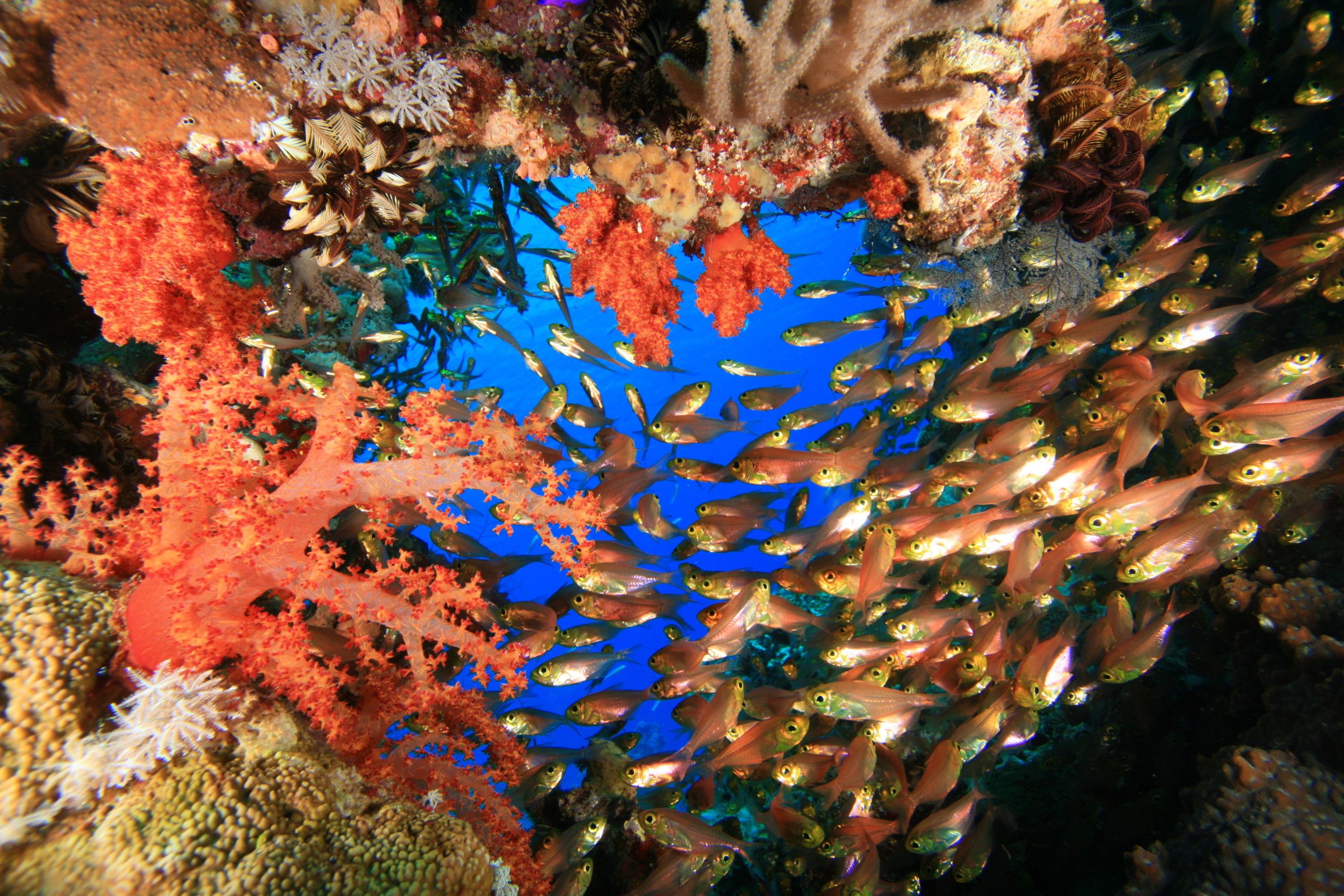
The protection and restoration of reef ecosystems is fundamental to the long-term health of the blue corridors in the Sulu-Sulawesi Seascape. This pillar encompasses the systematic mapping of reef systems across the seascape, identification and assessment of potential restoration sites, and training of community stakeholders in coral reef monitoring methodologies, and the ongoing monitoring of existing restoration efforts. Together, these activities lay the scientific and operational foundation for accelerating and scaling up reef recovery across region.
Pillar 2: Marine Habitat Protection and Restoration
Your Image

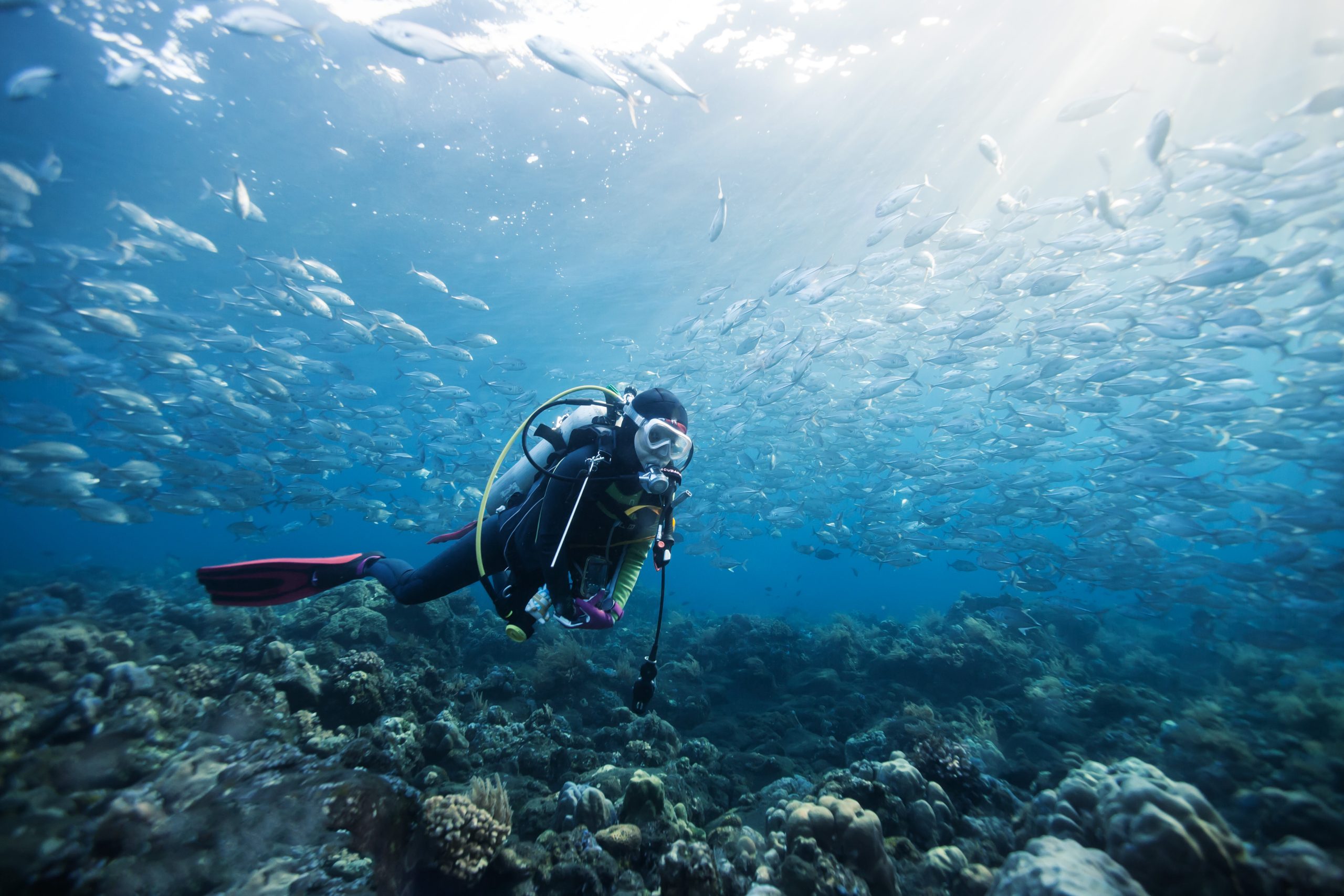
Tourism represents both a pressure and an opportunity for marine conservation. By aligning marine tourism activities with conservation objectives, we aim to work with tourism operators and industry groups to integrate structured data collection into their operations, while broadening public awareness of ocean conservation among tourists, local communities and the wider public.
Pillar 3: Community-Centred Conservation
Your Image

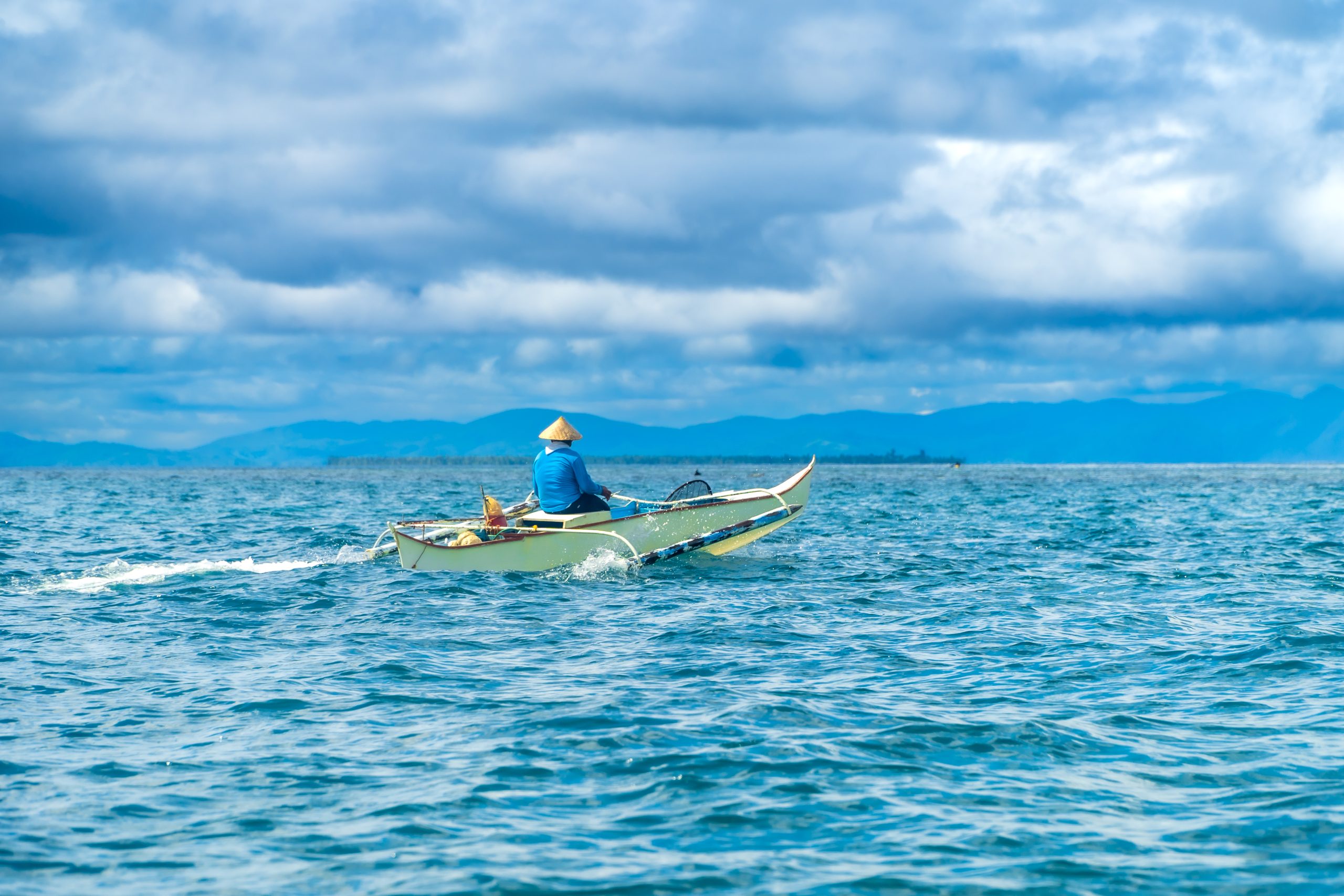
Conservation efforts are only sustainable in the long-term when it is led by and owned by the communities closest to these ecosystems. This pillar focuses on elevating community-centric conservation by building local capacity through the training of youth and community groups in reef monitoring, as well as fostering collaborative networks with local universities, regional academic institutions, MPA managers, and local governments.

Such efforts will support WWF’ Coral Triangle Programme’s strategy in facilitating networks of Community Learning and Innovation Hubs, designed to empower coastal communities to sustainably manage marine/coastal resources, restore and protect ecosystems, and build ecological and social resilience against climate change impacts. Findings are channelled into marine spatial planning processes, ensuring that conservation outcomes inform governance and resource management at both local and regional levels.

Expanding Regional Impact: Conservation in the Coral Triangle's Area of Influence

While Singapore and Hong Kong are not among the six nations of the Coral Triangle, both cities have a direct role to play in regional marine conservation. Singapore sits just outside the Coral Triangle’s bioregion and shares its ecological connectivity, making reef restoration here a natural extension of conservation efforts across the seascape. Hong Kong, one of the world’s largest importers of live reef fish from the Coral Triangle, is home to rich coral and seagrass habitats that are increasingly under threat — making conservation efforts both urgent and consequential for the wider region.

Singapore:
Coral Reef Restoration at Kusu Island

Positioned just outside the Coral Triangle, Singapore sits firmly within its area of influence. Despite its highly urbanised landscape, Singapore’s waters are home to more than 250 species of hard corals, 100 species of reef fish, and 200 species of sponges. However, Singapore has lost more than 60% of its reefs since the 1950s, largely due to coastal development, with further pressures expected from climate change and continued land and sea use.

With Cotton On Foundation as one of its key supporters, WWF-Singapore and NUS-TMSI are expanding an ongoing coral reef restoration programme at Kusu Island. This includes the continued maintenance and monitoring of a 300m stretch of restored reef, the restoration of an additional 200m stretch at 7m depth, and a pilot transplantation at an additional 120m stretch at 10m depth. Trained citizen science volunteers work alongside NUS-TMSI and WWF-SG to support monitoring and maintenance at coral nurseries and recipient sites. The programme also aims to reach 6,000 individuals through public outreach and marine education activities.

Hong Kong:
Science-Based Reef Restoration in Tolo Harbour

Tolo Harbour was once one of Hong Kong’s most biodiverse marine ecosystems. Today, decades of urbanisation and pollution have taken a significant toll on its reefs and seagrass beds. WWF-Hong Kong is leading the development of a SMART Environmental Monitoring Network to support the recovery of these habitats, partnering with universities since 2023 to restore coral and seagrass ecosystems. To date, over 600 coral fragments have been transplanted at an 85% survival rate, and a pilot seagrass nursery has demonstrated a 400% increase in coverage within two months.

With support channelled through WWF and Cotton On Foundation partnership, the programme will deploy data loggers across three sites to monitor key environmental conditions, analyse data to identify optimal restoration conditions, and share insights with partners and government to inform future conservation planning. Coral Triangle *census data will also be shared with the WWF-Hong Kong team, allowing findings from across the region to inform and strengthen restoration efforts in Hong Kong.

* Census data in this context refers to the underwater reef surveys conducted by Citizens of the Reef and community groups across the Coral Triangle, where divers systematically record and document marine species, coral cover, and reef health at specific sites. This data is then analysed to track the condition of reef ecosystems over time and inform conservation decisions.

Our Earlier Collaboration: Protecting and Restoring Forests Landscapes in Sarawak

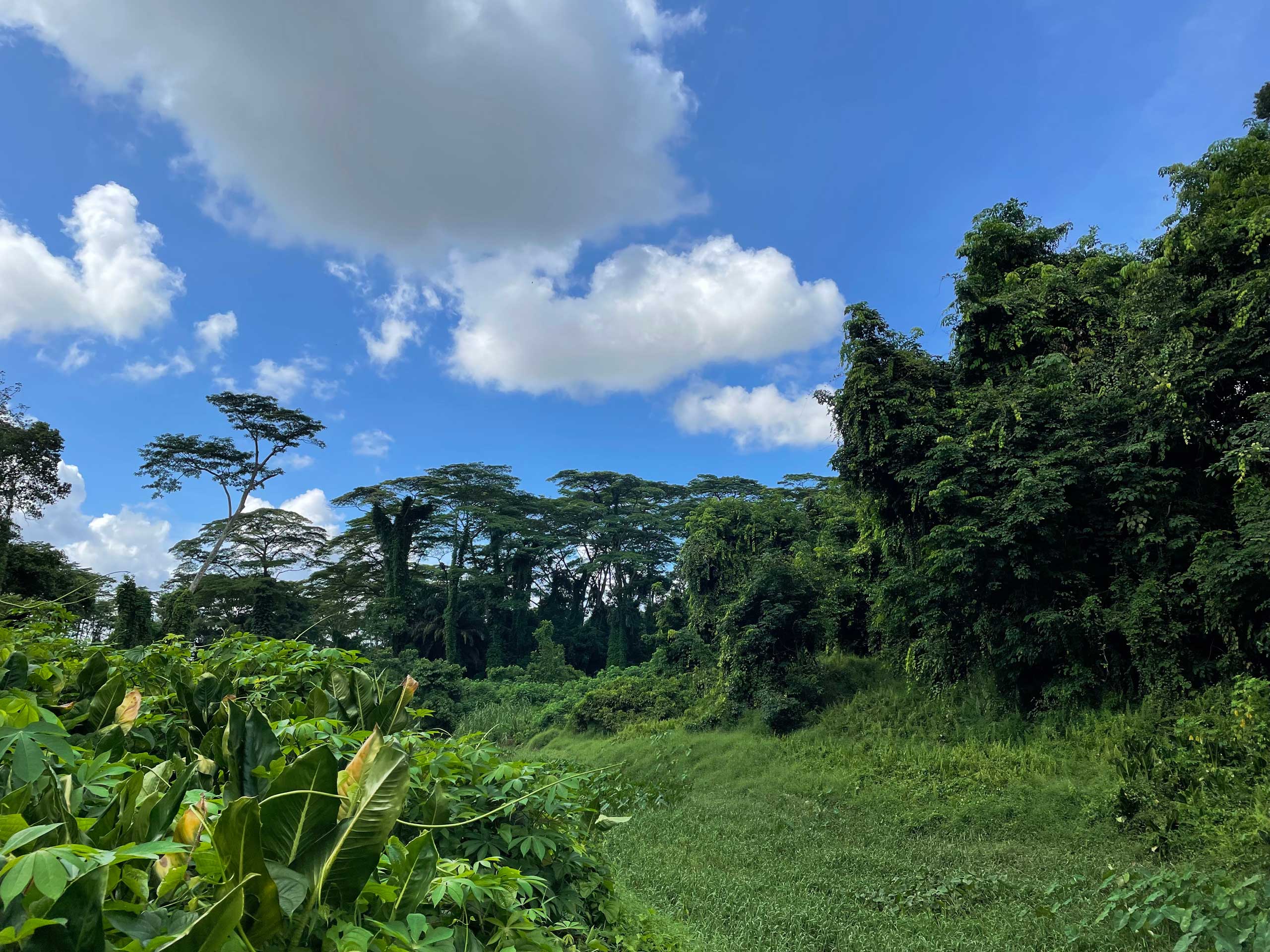
From 2022 to 2025, WWF-Singapore and Cotton On Foundation partnered to safeguard forest landscapes, protect wildlife, and develop sustainable livelihood opportunities for local communities in Sarawak, Malaysia. The project aimed to establish a wildlife corridor linking the Gunung Lesong and Ulu Sebuyau National Parks, restore habitat connectivity for critically endangered Bornean orangutans, and implement agroforestry on community land to explore sustainable livelihood opportunities within one of the world’s most significant biodiversity hotspots, and one of Sarawak last remaining orangutan habitats.

Over the course of the project, the partnership delivered the following outcomes:

  • Over 3,000 trees planted across 57 hectares of community agroforestry land, with fruit tree species including rambutan, jackfruit, and sweet limes that will provide food and income for local families upon maturity;
  • Seven capacity building sessions conducted, equipping over 290 community members with conservation skills, administrative knowledge, and sustainable farming practices;
  • Camera trap surveys documenting 34 wildlife species within the landscape, 26 of which are classified as Endangered, Rare and Threatened, and 6 of which are endemic to Borneo including the Bornean orangutan and Bornean sun bear.

The project concluded in June 2025, providing valuable insights that have strengthened WWF’s approach to community-led conservation on customary land. The Menuang nursery, built to support planting activities, remains active and continues to be maintained by the local community. WWF remains committed to the GLUS landscape and the communities within it, carrying forward key learnings from this project to strengthen and inform future conservation efforts in the region.

If you’re interested in exploring a similar partnership with WWF, contact:

Mayj C. Tolentino 
Director of Growth and  Partnerships
E-mail: mtolentino@wwf.sg

Facebook Instagram Youtube Linkedin X-twitter

Help us build a future in which people live in harmony with nature

Contact Us

55 Ayer Rajah Crescent #03- 14, Singapore 139949

+65 6730 8100

info@wwf.sg

Our Work
  • Climate
  • Sustainability & Circular Economy
  • Nature & Biodiversity
  • Closer to Home
  • Climate
  • Sustainability & Circular Economy
  • Nature & Biodiversity
  • Closer to Home
About Us
  • About us
  • Chairman & CEO’s Note
  • Board of Directors
  • Senior Management
  • Work With Us
  • Volunteering
  • About us
  • Chairman & CEO’s Note
  • Board of Directors
  • Senior Management
  • Work With Us
  • Volunteering
Resources
  • Annual reports
  • News, Reports & Events
  • Blog
  • Annual reports
  • News, Reports & Events
  • Blog
Partnerships
  • Corporate Partnerships
  • Government Partnerships
  • Philanthropy
  • Corporate Partnerships
  • Government Partnerships
  • Philanthropy
Policies
  • WWF Network Terms And Conditions
  • WWF Non-Network Terms and Conditions
  • WWF Fraud and Corruption Prevention and Investigation Policy
  • WWF Commitment to Integrity and Good Conduct Policy
  • WWF Environmental and Social Safeguards Framework (ESSF)
  • WWF-Singapore Procurement Terms And Conditions
  • WWF-Singapore Personal Data Protection Policy
  • WWF-Singapore Whistleblowing Policy
  • WWF Network Terms And Conditions
  • WWF Non-Network Terms and Conditions
  • WWF Fraud and Corruption Prevention and Investigation Policy
  • WWF Commitment to Integrity and Good Conduct Policy
  • WWF Environmental and Social Safeguards Framework (ESSF)
  • WWF-Singapore Procurement Terms And Conditions
  • WWF-Singapore Personal Data Protection Policy
  • WWF-Singapore Whistleblowing Policy
Support WWF
  • Donate
  • Adopt
  • Fundraiser
  • Donate
  • Adopt
  • Fundraiser

©️ 2022 WWF – World Wide Fund for Nature (Singapore) Limited (UEN 200602275E) |
©️ 1986 Panda Symbol WWF – World Wide Fund For Nature (formerly World Wildlife Fund) | ®️ “WWF” is a WWF Registered Trademark

Eco School Registration

Particulars of Teacher-In-Charge

Preferred days and timings for workshops

(Read more about the workshops on the website)