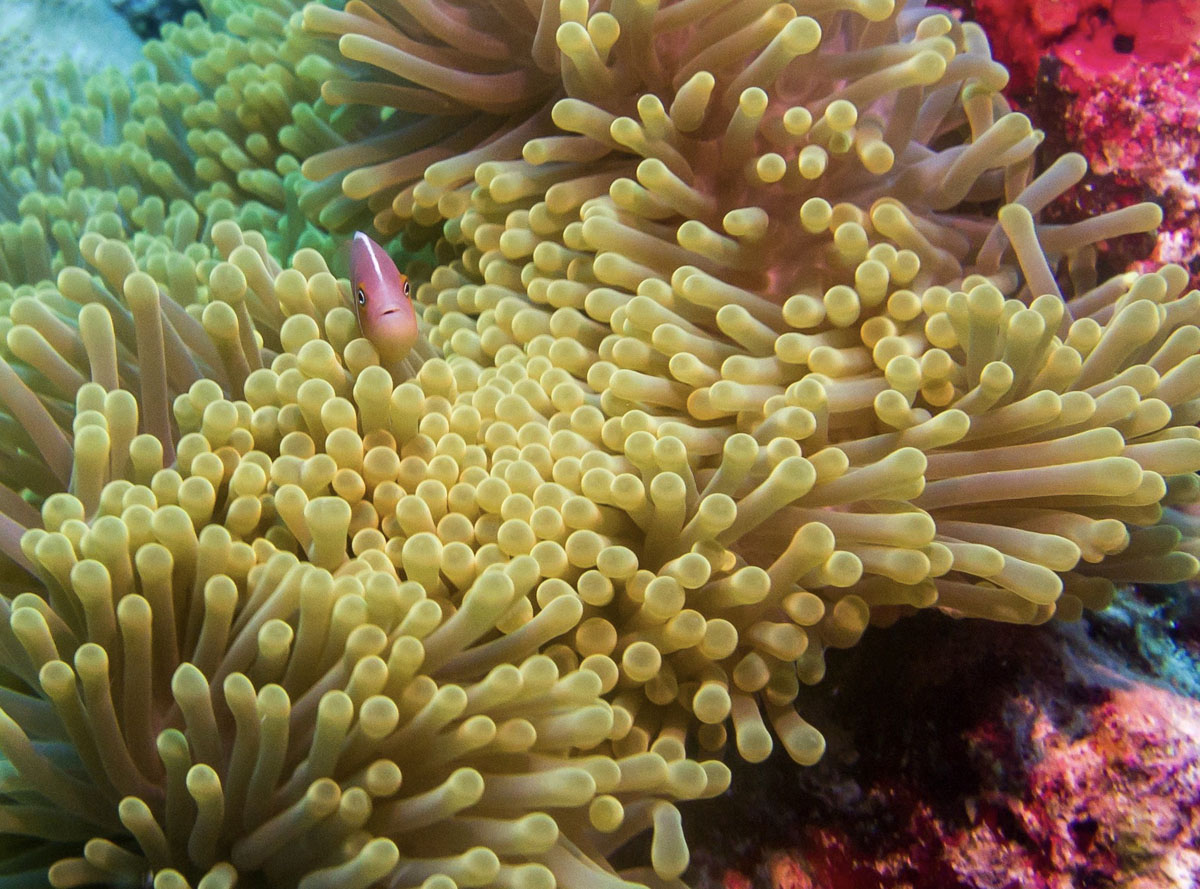

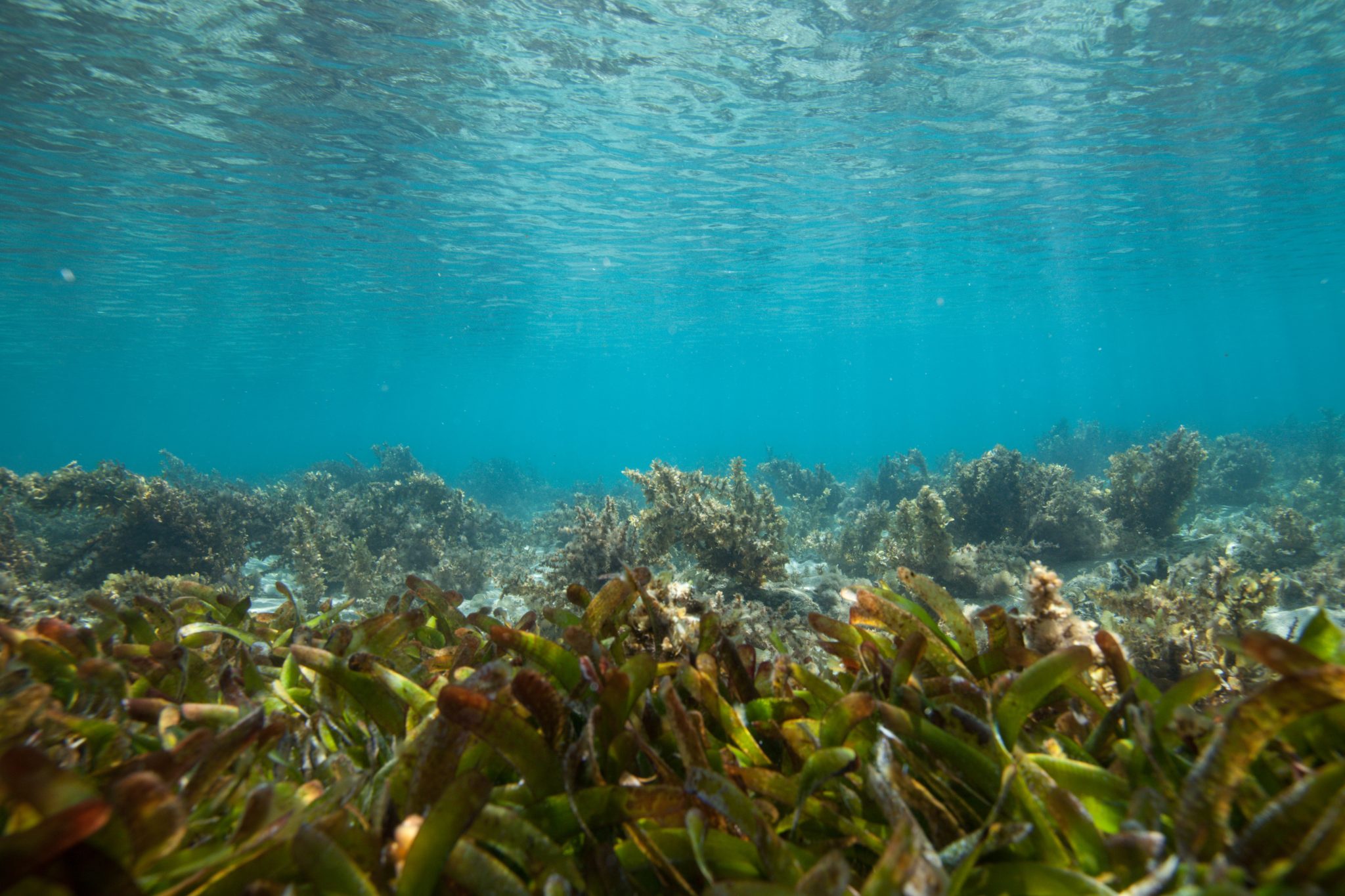
Marine ecosystems play a critical role in sustaining life on Earth. They regulate global climate through carbon sequestration, generate oxygen, support biodiversity, and provide food security and economic opportunities for billions of people. However, these ecosystems are increasingly vulnerable to threats from pollution to habitat destruction caused by coastal development and unsustainable practices.
Known as a leading technology company that offers a multitude of services through its superapp, Grab connects millions of users with drivers, merchants, and service providers. With its growing presence in Southeast Asia, Grab recognises the importance of balancing success with positive social and environmental impact. Through its Green Programme in-app toggle, Grab empowers users to voluntarily contribute a fractionalised amount (e.g. less than US$0.10 per ride) to support environmental projects across Southeast Asia.
WWF-Singapore and Grab embarked on a partnership to scale up marine conservation in Singapore and the region by contributing to the protection and restoration of marine environments.
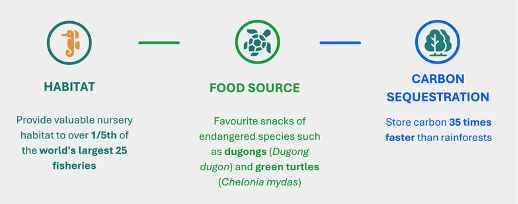
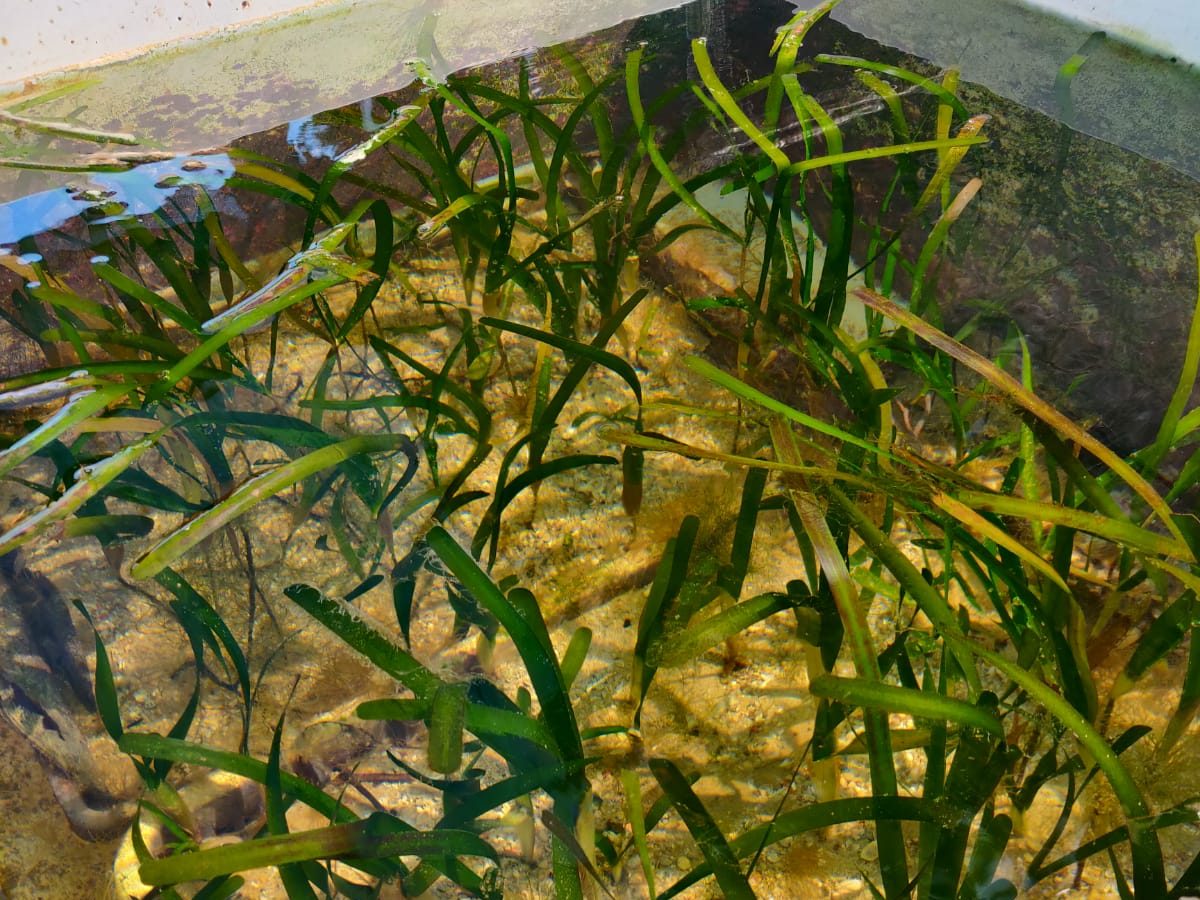
Seagrass sustains marine biodiversity, improves water quality, captures carbon at significantly greater rates than terrestrial forests, and protects coastlines from erosion. However, seagrass beds across Southeast Asia are vanishing at an alarming rate, putting vital ecosystem services such as carbon sequestration and coastal community livelihoods at risk. This highlights an urgent need to establish dedicated seagrass nurseries in Southeast Asia to supply vast quantities of seagrass for restoration and recover its natural functions. Restoring seagrass meadows offers benefits that go beyond carbon storage. These habitats provide vital feeding grounds and shelter, supporting fish and a wide range of marine life.
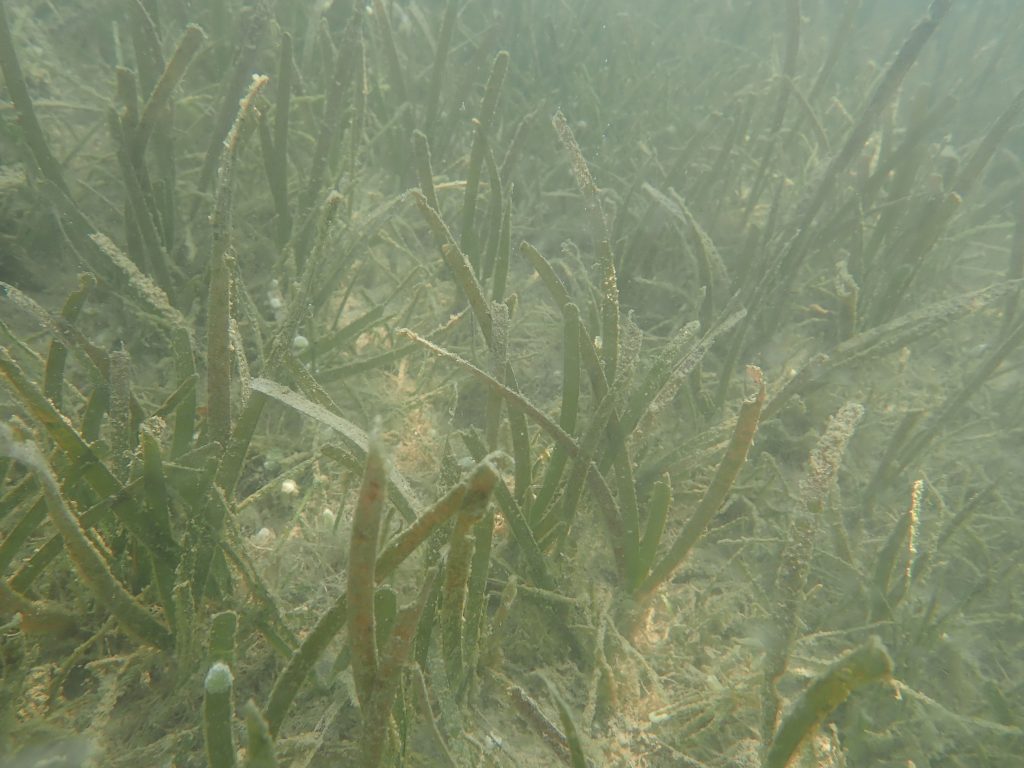
Led by National University of Singapore’s Tropical Marine Science Institute (NUS TMSI), the project aims to kickstart the establishment of Singapore’s first large scale seagrass nursery through a multi-pronged, science-driven approach. Identification and testing of best practices in seagrass farming in Southeast Asia will be critical to ensure methods are both effective and sustainable. In parallel, the project will foster a collaborative community of seagrass researchers and practitioners through workshops and knowledge exchange, forming a network dedicated to scaling seagrass farming.
A specialised aquaria facility will be set up to testbed the seagrass nursery prototype, providing a controlled environment to refine and scale the methods. Findings will be synthesised into a set of guiding principles for seagrass nursery establishments and will be widely accessible for future restoration endeavours in Southeast Asia.
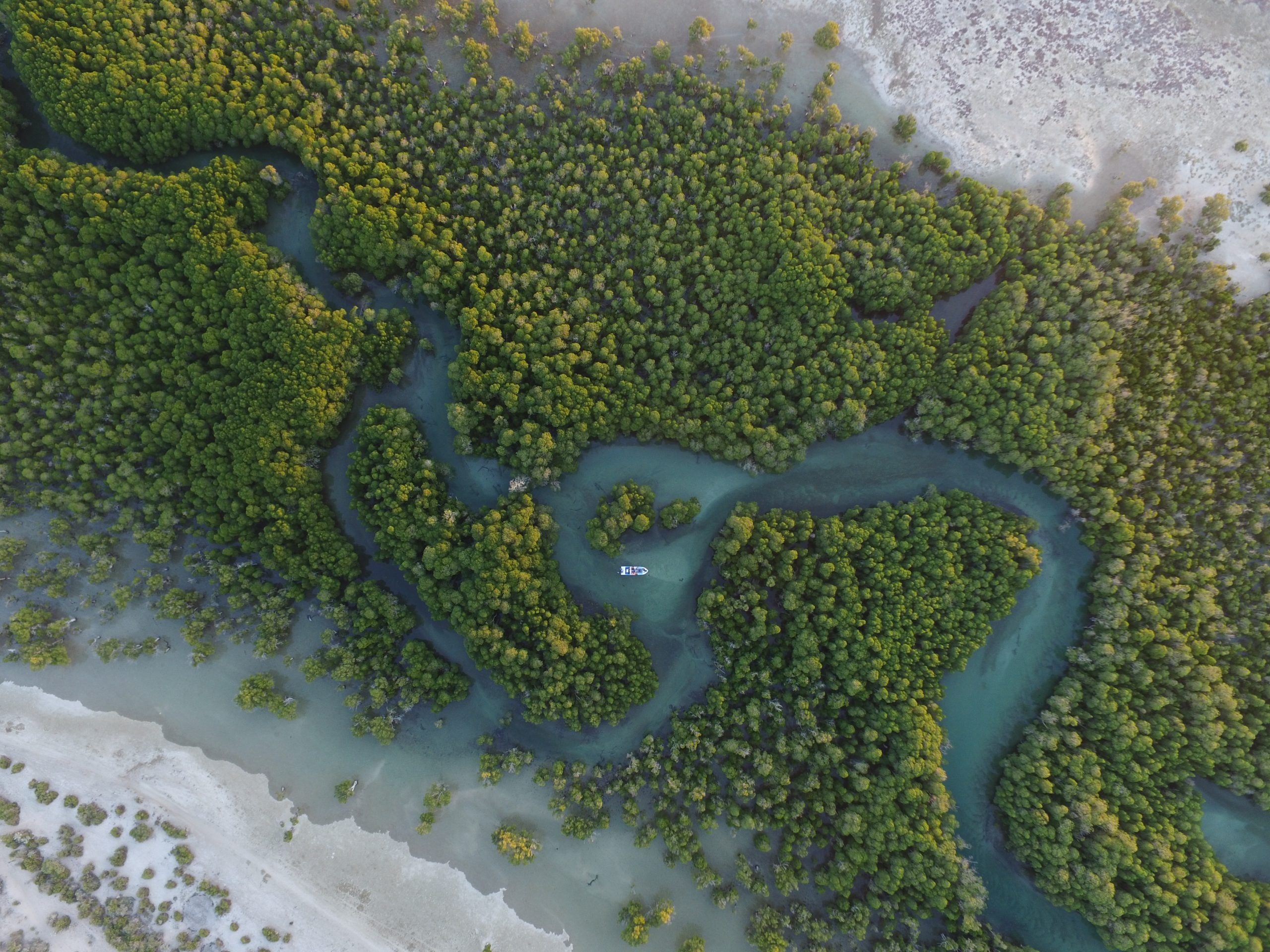
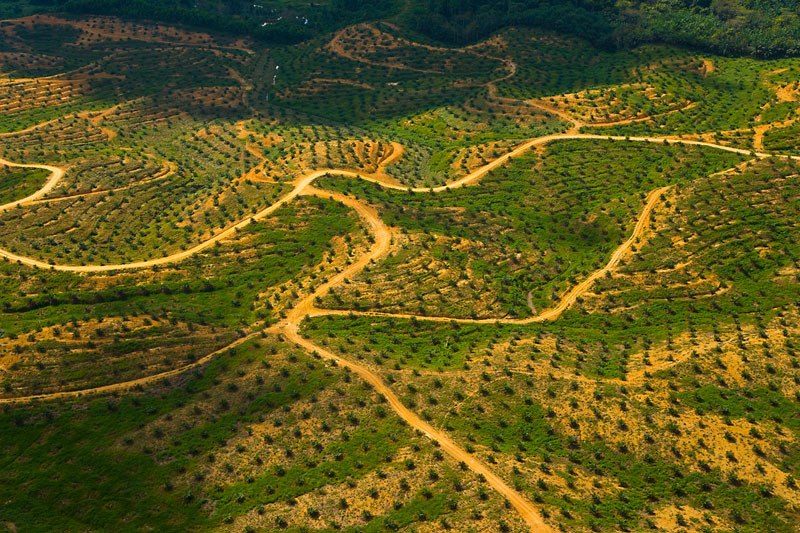
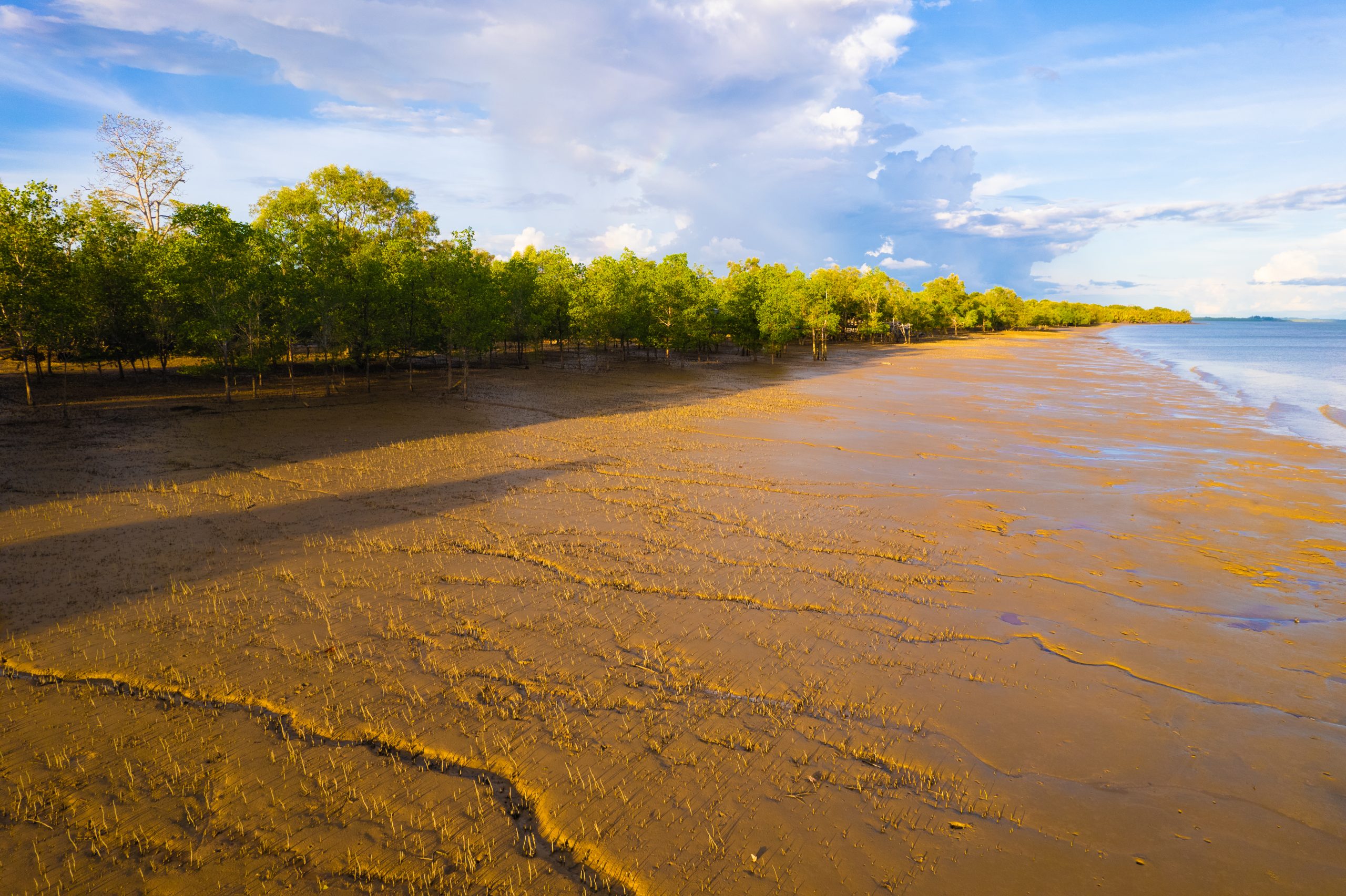
The Rajang-Belawai-Paloh delta in Sarawak, Malaysia, forms part of the region’s mangroves that are vital for climate regulation, fisheries, and coastal protection. Despite its importance, mangroves are facing significant degradation, due to unsustainable land clearing for development.
Through the partnership, Grab is channeling contributions towards WWF’s community-centred conservation efforts and sustainable management of 18,208 hectares of mangroves in the Rajang-Belawai-Paloh delta. Over the next three years, efforts will focus on rehabilitating degraded areas, empowering local communities, developing sustainable livelihoods, and enhancing capacity through technology and training to ensure lasting success beyond the project.
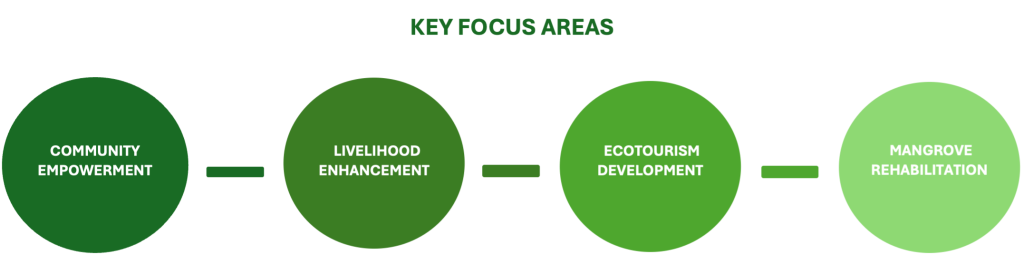
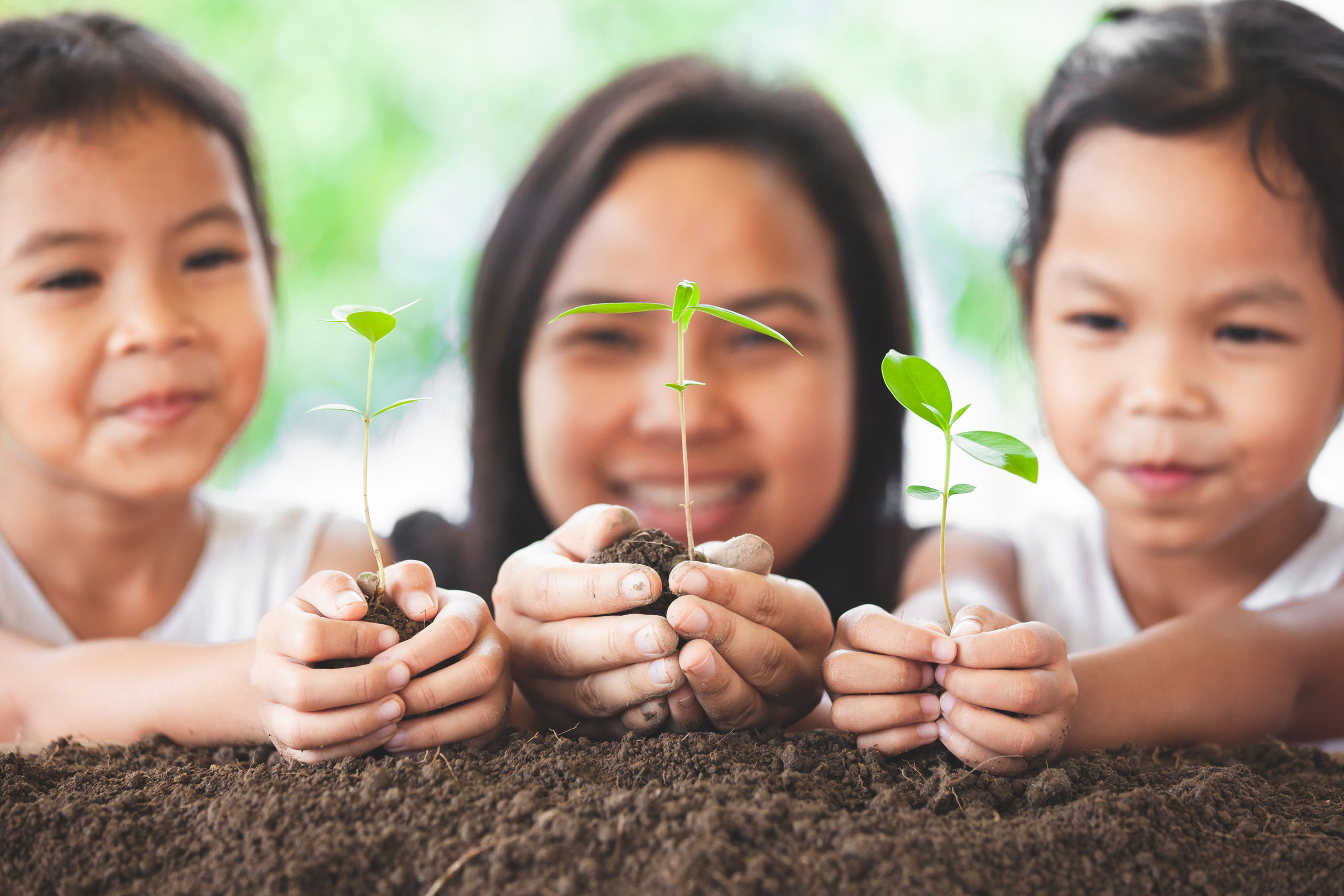
The project aims to rehabilitate and sustain the management of the mangroves by implementing a multifaceted approach. This includes empowering local communities to become stewards of conservation, providing alternative livelihoods through mangrove planting, monitoring surveys, and eco-tourism.
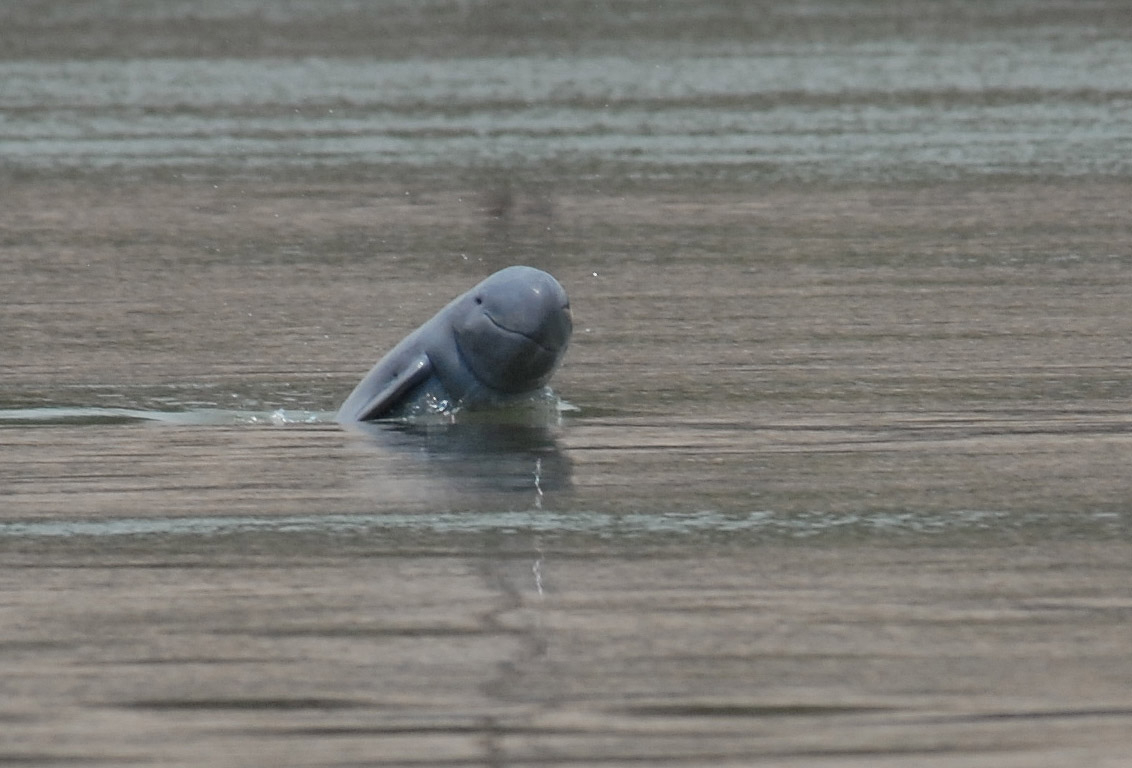
Ultimately, the project strives to reinstate and strengthen the mangrove’s ecosystem services, particularly carbon sequestration, biodiversity protection of endangered marine mammal species, while fostering greater community well-being and resilience.
Through this collaboration, Grab and WWF will be working together to scale up conservation impact in the region, restoring critical habitats and empowering communities to become stewards of nature, supporting sustainable livelihoods and resilience for generations to come.
If you’re interested in exploring a similar partnership with WWF, contact:
Mayj C. Tolentino
Director of Growth and Partnerships
E-mail: mtolentino@wwf.sg