


Skip to content
  • Home
  • Our Work
    • Our Work
    • Climate & Sustainability
      • CARBON FINANCE
      • Sustainable Finance
      • Sustainable Palm Oil
      • Circular Economy
    • Nature & Biodiversity
      • Illegal Wildlife Trade
      • Marine Conservation
      • Forest Landscape Restoration
    • Local Conservation & Community Engagement
      • Future Sustainability Leaders
      • Green Cities
  • About Us
    • About us
    • Board of Directors
    • Senior Management
    • Whistleblowing Policy
    • Personal Data Protection Policy
    • Work With Us
    • Volunteering
  • Resources
    • Resources
    • Annual Reports
    • News, Reports & Events
  • Partnerships
    • Partnerships
    • Earth Club
    • Corporate Partnerships
    • Government Partnerships
    • Philanthropy
  • Policies
    • Policies
    • WWF Network Terms And Conditions
    • WWF Non-Network Terms and Conditions
    • Fraud and Corruption: Prevention, Detection and Response Policy
    • WWFS Commitment to Integrity and Good Conduct Policy
    • WWF Environmental and Social Safeguards Framework (ESSF)
    • WWF-Singapore Procurement Terms And Conditions
    • WWF-Singapore Personal Data Protection Policy
    • WWF-Singapore Whistleblowing Policy
Menu
  • Support WWF
    • Donate
    • Adopt
    • Fundraiser
  • Support WWF
    • Donate
    • Adopt
    • Fundraiser
  • Home
  • Our Work
    • Our Work
    • Climate & Sustainability
      • CARBON FINANCE
      • Sustainable Finance
      • Sustainable Palm Oil
      • Circular Economy
    • Nature & Biodiversity
      • Illegal Wildlife Trade
      • Marine Conservation
      • Forest Landscape Restoration
    • Local Conservation & Community Engagement
      • Future Sustainability Leaders
      • Green Cities
  • About Us
    • About us
    • Board of Directors
    • Senior Management
    • Whistleblowing Policy
    • Personal Data Protection Policy
    • Work With Us
    • Volunteering
  • Resources
    • Resources
    • Annual Reports
    • News, Reports & Events
  • Partnerships
    • Partnerships
    • Earth Club
    • Corporate Partnerships
    • Government Partnerships
    • Philanthropy
  • Policies
    • Policies
    • WWF Network Terms And Conditions
    • WWF Non-Network Terms and Conditions
    • Fraud and Corruption: Prevention, Detection and Response Policy
    • WWFS Commitment to Integrity and Good Conduct Policy
    • WWF Environmental and Social Safeguards Framework (ESSF)
    • WWF-Singapore Procurement Terms And Conditions
    • WWF-Singapore Personal Data Protection Policy
    • WWF-Singapore Whistleblowing Policy
DONATE
ADOPT
SHOP

Building a future in which people live in harmony with nature

Facebook Instagram Youtube Linkedin Twitter

Home » Dogs to sniff out the state of Vietnam’s critically endangered rhinos

Dogs to sniff out the state of Vietnam’s critically endangered rhinos

November 20, 2009

Vietnam – Highly trained detection dogs are being used help to determine the population status of the Javan rhino in Vietnam, in an attempt to save one of the world’s rarest mammals from extinction.

WWF researchers have teamed up with national park rangers using two detection dogs from the United States to determine the population status of the Javan rhinos in the forests of southern Vietnam, home to one of the world’s last two remaining populations of the species.

Javan rhino (Rhinoceros sondaicus annamiticus) were thought to be extinct on mainland Southeast Asia until hunters in Vietnam killed an individual rhino in 1988. It is believed less than ten remain, but no conclusive survey has ever been conducted to verify this.

“The Javan rhino is possibly the rarest large mammal on Earth,” said Sarah Brook, leader of the WWF rhino project in Vietnam. “This field survey aims to reveal the secrets of Vietnam’s little known Javan rhino population in an effort to save it from extinction.”

Samples of the dung will be sent to Queen’s University in Canada where DNA analysis will detect the sex and number of animals. The Zoological Society of London will carry out a hormone analysis to show the animal’s breeding capability.

After just five days of surveying the area, seven rhino dung samples have been found. These specimens have given the project team confidence that they will be able to gather all the necessary scientific information. The results of these analyses will be used to formulate an urgent rhino conservation plan.

“The rhino is not only a rare animal unique to this country, but protecting the rhino is a flagship for conservation efforts in Vietnam,” said Hien Tran Minh, Country Director for WWF Vietnam. “If we lose the rhino the future does not look good for Vietnam’s other rare and endemic species.”

The Javan rhino is a highly valued commodity in the illegal wildlife trade, with the rhino horn, skin and faeces used for medicinal purposes. Habitat encroachment from agricultural expansion and planned hydropower development also pose increasing threats to this small population.

To improve protection for rhinos and other wildlife threatened by poachers, WWF in collaboration with the Asian Rhino project is supporting local communities to join the Forest Protection Department and national parks staff.

‘Rhinomania’, a blog written by the WWF team, will keep the public up to date on the rhino survey as well as on life in the national park.
PrevBack to Previous Page
NextNext

RELATED PUBLICATIONS

RELATED LINKS

WWF Greater Mekong Programme

Rhinomania blog

SHARE THIS

RELATED ARTICLES

Loading...
October 30, 2026

Add Your Heading Text Here

WWF-Singapore and partners launch ASEAN Food Resilience Initiative (AFRI), a regional initiative to strengthen food resilience in Southeast Asia 

October 27, 2026

Add Your Heading Text Here

WWF-Singapore marks 20 years with new initiatives to advance conservation in Singapore and across Southeast Asia

June 11, 2026

Add Your Heading Text Here

WWF welcomes strengthened SBTi Net-Zero Standard to accelerate corporate climate action 

June 3, 2026

Add Your Heading Text Here

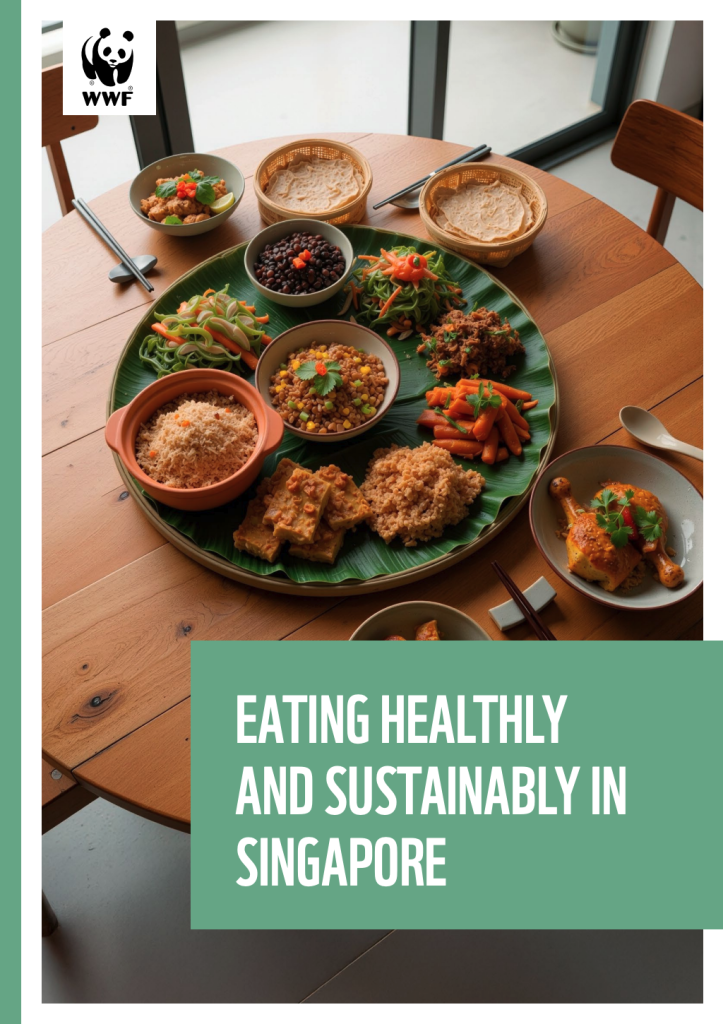
WWF-Singapore Report: Eating Healthy and Sustainably in Singapore

Facebook Instagram Youtube Linkedin X-twitter

Help us build a future in which people live in harmony with nature

Contact Us

55 Ayer Rajah Crescent #03- 14, Singapore 139949

+65 6730 8100

info@wwf.sg

Our Work
  • Climate
  • Climate and Sustainability
  • Regional Conservation
  • Local Conservation & Community Engagement
  • Climate
  • Climate and Sustainability
  • Regional Conservation
  • Local Conservation & Community Engagement
About Us
  • About us
  • Board of Directors
  • Senior Management
  • Work With Us
  • Volunteering
  • About us
  • Board of Directors
  • Senior Management
  • Work With Us
  • Volunteering
Resources
  • Annual reports
  • News, Reports & Events
  • Blog
  • Annual reports
  • News, Reports & Events
  • Blog
Partnerships
  • Corporate Partnerships
  • Government Partnerships
  • Philanthropy
  • Corporate Partnerships
  • Government Partnerships
  • Philanthropy
Policies
  • WWF Network Terms And Conditions
  • WWF Non-Network Terms and Conditions
  • WWF Fraud and Corruption: Prevention, Detection and Response Policy
  • WWF Commitment to Integrity and Good Conduct Policy
  • WWF Environmental and Social Safeguards Framework (ESSF)
  • WWF-Singapore Procurement Terms And Conditions
  • WWF-Singapore Personal Data Protection Policy
  • WWF-Singapore Whistleblowing Policy
Support WWF
  • Donate
  • Adopt
  • Fundraiser
  • Donate
  • Adopt
  • Fundraiser

©️ 2022 WWF – World Wide Fund for Nature (Singapore) Limited (UEN 200602275E) |
©️ 1986 Panda Symbol WWF – World Wide Fund For Nature (formerly World Wildlife Fund) | ®️ “WWF” is a WWF Registered Trademark

Eco School Registration

Particulars of Teacher-In-Charge

Preferred days and timings for workshops

(Read more about the workshops on the website)

*There should be a minimum of 6-8 weeks' gap between Workshop 5 and 6. 

Preferred days and timings for workshops

(Read more about the workshops on the website)

*There should be a minimum of 6-8 weeks' gap between Workshop 3 and 4. 

Preferred days and timings for workshops

This will be held at Sungei Buloh Wetland Reserve 

There should be a minimum of 6-8 weeks' gap between Workshop 3 and 4. 

(Read more about the workshops on the website)

Preferred days and timings for workshops

*There should be a minimum of 6-8 weeks' gap between Workshop 3 and 5. 

(Read more about the workshops on the website)

Preferred days and timings for workshops

There should be a minimum of 6-8 weeks' gap between Workshop 4 and 5. 

(Read more about the workshops on the website)