



Skip to content
  • Home
  • Our Work
    • Our Work
    • Climate & Sustainability
      • CARBON FINANCE
      • Sustainable Finance
      • Sustainable Palm Oil
      • Circular Economy
    • Nature & Biodiversity
      • Illegal Wildlife Trade
      • Marine Conservation
      • Forest Landscape Restoration
    • Local Conservation & Community Engagement
      • Future Sustainability Leaders
      • Green Cities
  • About Us
    • About us
    • Board of Directors
    • Senior Management
    • Whistleblowing Policy
    • Personal Data Protection Policy
    • Work With Us
    • Volunteering
  • Resources
    • Resources
    • Annual Reports
    • News, Reports & Events
  • Partnerships
    • Partnerships
    • Earth Club
    • Corporate Partnerships
    • Government Partnerships
    • Philanthropy
  • Policies
    • Policies
    • WWF Network Terms And Conditions
    • WWF Non-Network Terms and Conditions
    • Fraud and Corruption: Prevention, Detection and Response Policy
    • WWFS Commitment to Integrity and Good Conduct Policy
    • WWF Environmental and Social Safeguards Framework (ESSF)
    • WWF-Singapore Procurement Terms And Conditions
    • WWF-Singapore Personal Data Protection Policy
    • WWF-Singapore Whistleblowing Policy
Menu
  • Support WWF
    • Donate
    • Adopt
    • Fundraiser
  • Support WWF
    • Donate
    • Adopt
    • Fundraiser
  • Home
  • Our Work
    • Our Work
    • Climate & Sustainability
      • CARBON FINANCE
      • Sustainable Finance
      • Sustainable Palm Oil
      • Circular Economy
    • Nature & Biodiversity
      • Illegal Wildlife Trade
      • Marine Conservation
      • Forest Landscape Restoration
    • Local Conservation & Community Engagement
      • Future Sustainability Leaders
      • Green Cities
  • About Us
    • About us
    • Board of Directors
    • Senior Management
    • Whistleblowing Policy
    • Personal Data Protection Policy
    • Work With Us
    • Volunteering
  • Resources
    • Resources
    • Annual Reports
    • News, Reports & Events
  • Partnerships
    • Partnerships
    • Earth Club
    • Corporate Partnerships
    • Government Partnerships
    • Philanthropy
  • Policies
    • Policies
    • WWF Network Terms And Conditions
    • WWF Non-Network Terms and Conditions
    • Fraud and Corruption: Prevention, Detection and Response Policy
    • WWFS Commitment to Integrity and Good Conduct Policy
    • WWF Environmental and Social Safeguards Framework (ESSF)
    • WWF-Singapore Procurement Terms And Conditions
    • WWF-Singapore Personal Data Protection Policy
    • WWF-Singapore Whistleblowing Policy
DONATE
ADOPT
SHOP

Building a future in which people live in harmony with nature

Facebook Instagram Youtube Linkedin Twitter

Home » REPORT: An Overview of Shark Utilisation in the Coral Triangle Region

REPORT: An Overview of Shark Utilisation in the Coral Triangle Region

September 6, 2012

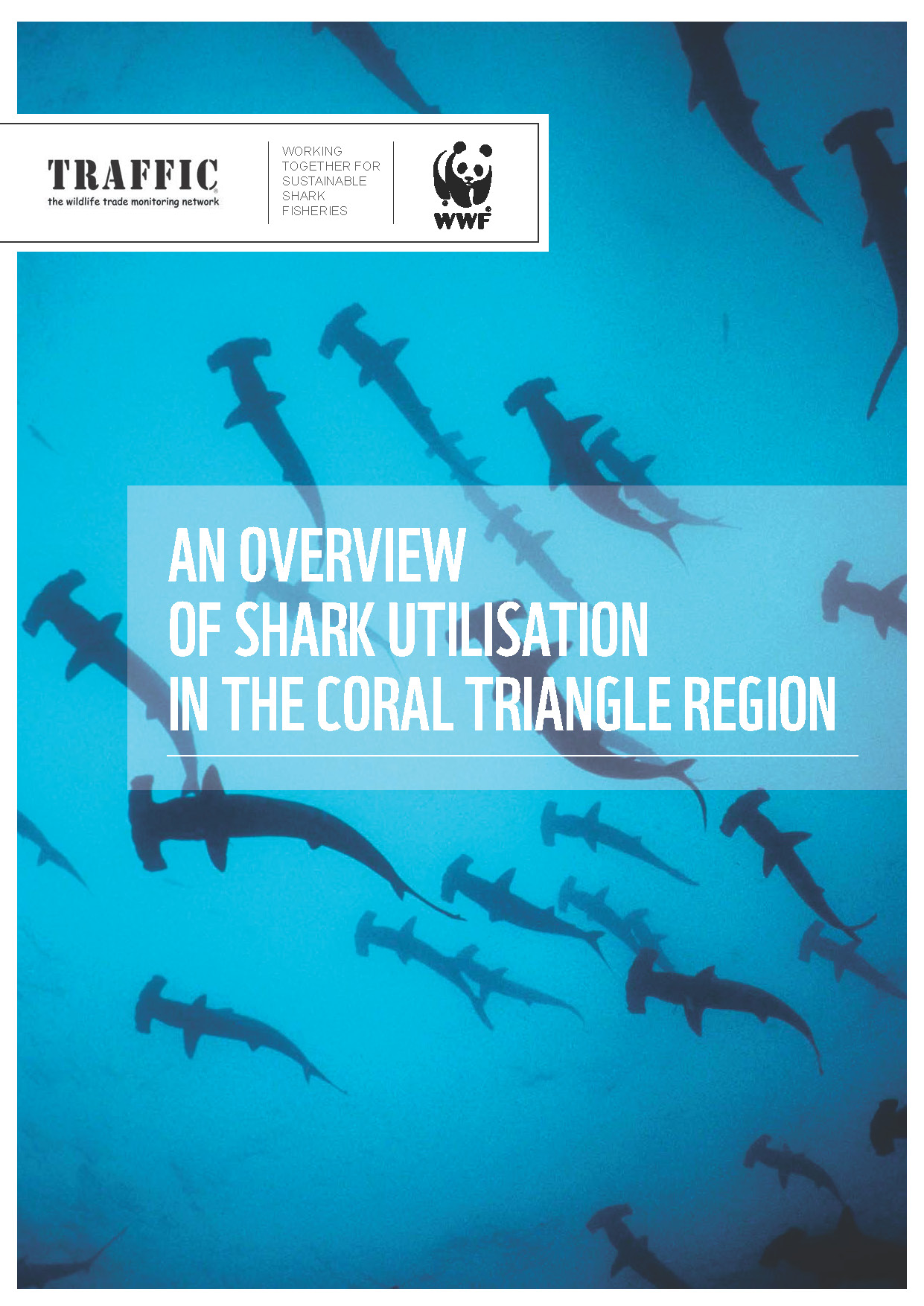
The report, An Overview of Shark Utilization in the Coral Triangle Region, examines the catch, trade, and management of sharks in waters of the six Coral Triangle countries, plus the neighbouring countries of Vietnam and Fiji.

Despite long-standing global concerns on declining shark populations due to growing evidence that many shark species are threatened, shark populations continue to decline.

This is due to a general lack of even basic management, and is further exacerbated by illegal, unreported, and unregulated (IUU) fishing.

Some fisheries target sharks for their meat but the main driver of unsustainable fishing for sharks is currently the demand in Asia for fins, which are used in shark fin soup.

Today, the vast majority of shark products come from unsustainable sources, not just fins. Sharks are also heavily traded for their meat, skin, and liver oil.
PrevBack to Previous Page
NextNext

RELATED PUBLICATIONS

REPORT: An Overview of Shark Utilisation in the Coral Triangle Region
DOWNLOAD

RELATED LINKS

Sharks in the Coral Triangle

SHARE THIS

RELATED ARTICLES

Loading...
October 30, 2026

Add Your Heading Text Here

WWF-Singapore and partners launch ASEAN Food Resilience Initiative (AFRI), a regional initiative to strengthen food resilience in Southeast Asia 

October 27, 2026

Add Your Heading Text Here

WWF-Singapore marks 20 years with new initiatives to advance conservation in Singapore and across Southeast Asia

June 11, 2026

Add Your Heading Text Here

WWF welcomes strengthened SBTi Net-Zero Standard to accelerate corporate climate action 

June 3, 2026

Add Your Heading Text Here

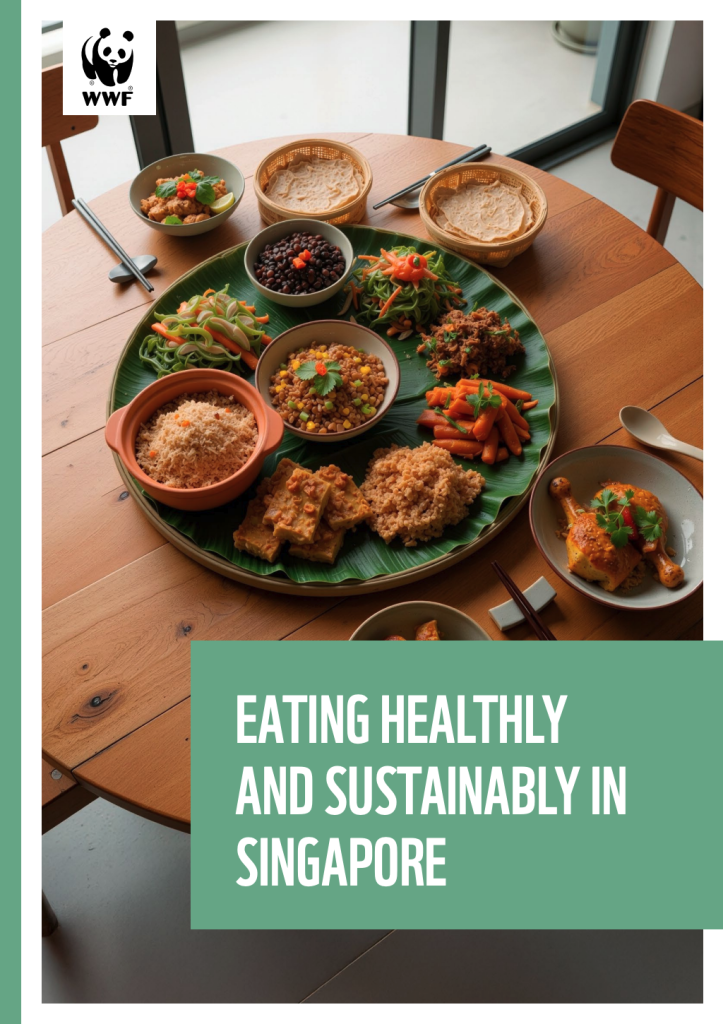
WWF-Singapore Report: Eating Healthy and Sustainably in Singapore

Facebook Instagram Youtube Linkedin X-twitter

Help us build a future in which people live in harmony with nature

Contact Us

55 Ayer Rajah Crescent #03- 14, Singapore 139949

+65 6730 8100

info@wwf.sg

Our Work
  • Climate
  • Climate and Sustainability
  • Regional Conservation
  • Local Conservation & Community Engagement
  • Climate
  • Climate and Sustainability
  • Regional Conservation
  • Local Conservation & Community Engagement
About Us
  • About us
  • Board of Directors
  • Senior Management
  • Work With Us
  • Volunteering
  • About us
  • Board of Directors
  • Senior Management
  • Work With Us
  • Volunteering
Resources
  • Annual reports
  • News, Reports & Events
  • Blog
  • Annual reports
  • News, Reports & Events
  • Blog
Partnerships
  • Corporate Partnerships
  • Government Partnerships
  • Philanthropy
  • Corporate Partnerships
  • Government Partnerships
  • Philanthropy
Policies
  • WWF Network Terms And Conditions
  • WWF Non-Network Terms and Conditions
  • WWF Fraud and Corruption: Prevention, Detection and Response Policy
  • WWF Commitment to Integrity and Good Conduct Policy
  • WWF Environmental and Social Safeguards Framework (ESSF)
  • WWF-Singapore Procurement Terms And Conditions
  • WWF-Singapore Personal Data Protection Policy
  • WWF-Singapore Whistleblowing Policy
Support WWF
  • Donate
  • Adopt
  • Fundraiser
  • Donate
  • Adopt
  • Fundraiser

©️ 2022 WWF – World Wide Fund for Nature (Singapore) Limited (UEN 200602275E) |
©️ 1986 Panda Symbol WWF – World Wide Fund For Nature (formerly World Wildlife Fund) | ®️ “WWF” is a WWF Registered Trademark

Eco School Registration

Particulars of Teacher-In-Charge

Preferred days and timings for workshops

(Read more about the workshops on the website)

*There should be a minimum of 6-8 weeks' gap between Workshop 5 and 6. 

Preferred days and timings for workshops

(Read more about the workshops on the website)

*There should be a minimum of 6-8 weeks' gap between Workshop 3 and 4. 

Preferred days and timings for workshops

This will be held at Sungei Buloh Wetland Reserve 

There should be a minimum of 6-8 weeks' gap between Workshop 3 and 4. 

(Read more about the workshops on the website)

Preferred days and timings for workshops

*There should be a minimum of 6-8 weeks' gap between Workshop 3 and 5. 

(Read more about the workshops on the website)

Preferred days and timings for workshops

There should be a minimum of 6-8 weeks' gap between Workshop 4 and 5. 

(Read more about the workshops on the website)