


Skip to content
  • Home
  • Our Work
    • Our Work
    • Climate & Sustainability
      • CARBON FINANCE
      • Sustainable Finance
      • Sustainable Palm Oil
      • Circular Economy
    • Nature & Biodiversity
      • Illegal Wildlife Trade
      • Marine Conservation
      • Forest Landscape Restoration
    • Local Conservation & Community Engagement
      • Future Sustainability Leaders
      • Green Cities
  • About Us
    • About us
    • Board of Directors
    • Senior Management
    • Whistleblowing Policy
    • Personal Data Protection Policy
    • Work With Us
    • Volunteering
  • Resources
    • Resources
    • Annual Reports
    • News, Reports & Events
  • Partnerships
    • Partnerships
    • Earth Club
    • Corporate Partnerships
    • Government Partnerships
    • Philanthropy
  • Policies
    • Policies
    • WWF Network Terms And Conditions
    • WWF Non-Network Terms and Conditions
    • Fraud and Corruption: Prevention, Detection and Response Policy
    • WWFS Commitment to Integrity and Good Conduct Policy
    • WWF Environmental and Social Safeguards Framework (ESSF)
    • WWF-Singapore Procurement Terms And Conditions
    • WWF-Singapore Personal Data Protection Policy
    • WWF-Singapore Whistleblowing Policy
Menu
  • Support WWF
    • Donate
    • Adopt
    • Fundraiser
  • Support WWF
    • Donate
    • Adopt
    • Fundraiser
  • Home
  • Our Work
    • Our Work
    • Climate & Sustainability
      • CARBON FINANCE
      • Sustainable Finance
      • Sustainable Palm Oil
      • Circular Economy
    • Nature & Biodiversity
      • Illegal Wildlife Trade
      • Marine Conservation
      • Forest Landscape Restoration
    • Local Conservation & Community Engagement
      • Future Sustainability Leaders
      • Green Cities
  • About Us
    • About us
    • Board of Directors
    • Senior Management
    • Whistleblowing Policy
    • Personal Data Protection Policy
    • Work With Us
    • Volunteering
  • Resources
    • Resources
    • Annual Reports
    • News, Reports & Events
  • Partnerships
    • Partnerships
    • Earth Club
    • Corporate Partnerships
    • Government Partnerships
    • Philanthropy
  • Policies
    • Policies
    • WWF Network Terms And Conditions
    • WWF Non-Network Terms and Conditions
    • Fraud and Corruption: Prevention, Detection and Response Policy
    • WWFS Commitment to Integrity and Good Conduct Policy
    • WWF Environmental and Social Safeguards Framework (ESSF)
    • WWF-Singapore Procurement Terms And Conditions
    • WWF-Singapore Personal Data Protection Policy
    • WWF-Singapore Whistleblowing Policy
DONATE
ADOPT
SHOP

Building a future in which people live in harmony with nature

Facebook Instagram Youtube Linkedin Twitter

Home » New discoveries in the Greater Mekong highlight the need for urgent action

New discoveries in the Greater Mekong highlight the need for urgent action

October 6, 2010

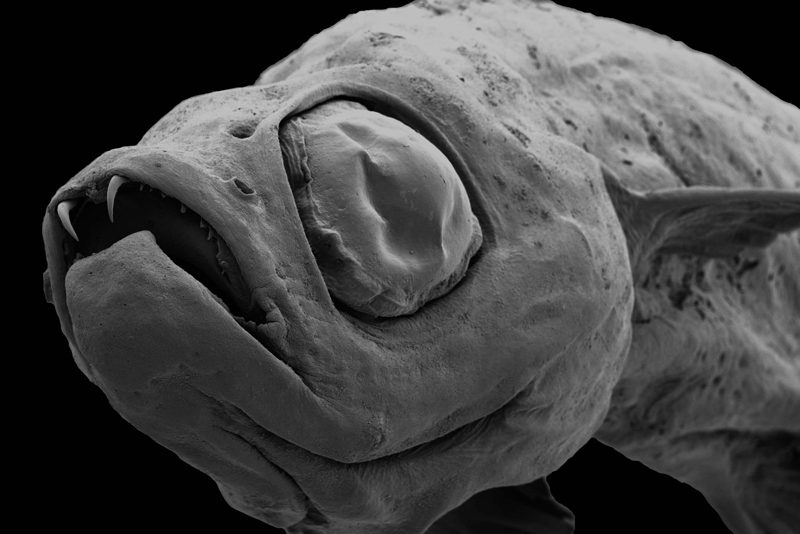
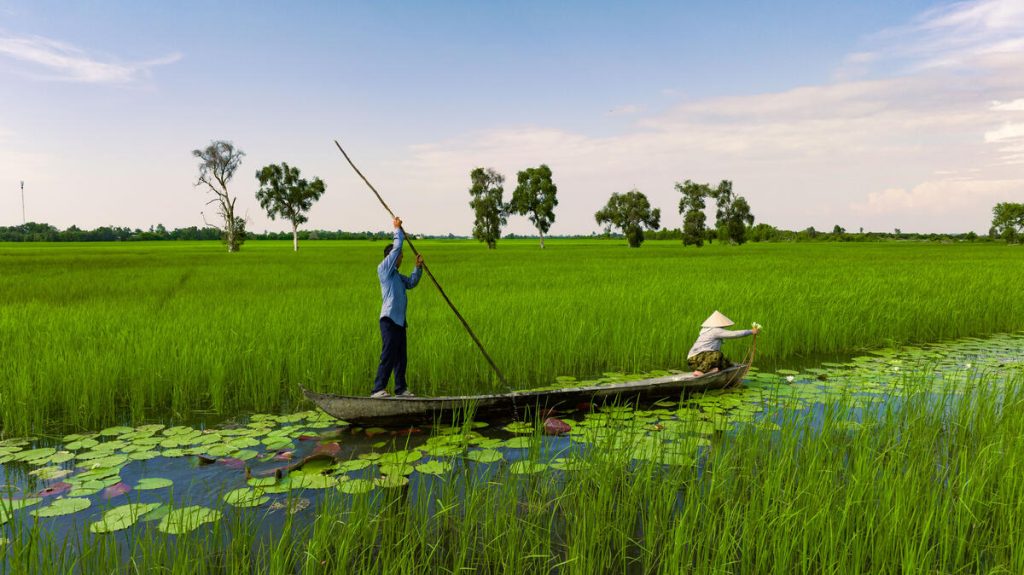
 A seven meter tall carnivorous plant, a fish with vampire fangs, and a frog that sounds like a cricket are among 145 new species described last year in the Greater Mekong, reaffirming the region as a one of the most significant biological hotspots on the planet ahead of the UN Convention on Biological Diversity (CBD) in Nagoya, Japan.

New Blood: Greater Mekong new species discoveries 2009, reveals an average of three new species recorded by science each week including Asia’s only bald songbird the Bare-faced bulbul and the uniquely adapted Sucker-fish, which uses its body to sucker onto rocks in fast flowing waters to move upstream.

“This rate of discovery is simply staggering in modern times,” said Stuart Chapman, Conservation Director of WWF Greater Mekong. “Each year, the new species count keeps going up, and with it, so too does the responsibility to ensure this region’s unique biodiversity is conserved,” he said.

The report says while these discoveries highlight the Greater Mekong’s immense biodiversity it also pinpoints the fragility of this region’s diverse habitats and species. The likely local extinction of the Javan rhino in Vietnam is one tragic indicator of the decline of biodiversity in recent times.

Other new species standouts that were discovered in this region that comprises Cambodia, Laos, Myanmar, Thailand, Vietnam and the southern province of Yunnan in China include five new mammal species, two bats and three shrews, a poisonous pit viper and an entirely new genus of fang-less snake.

The report highlights the opportunity for governments of the Greater Mekong to use financing through the Global Environment Facility (GEF), the global financing mechanism for the CBD, to leverage large-scale resources to conserve species, biodiversity and healthy ecosystems across the region.

“Biodiversity is not evenly distributed around the globe. These new species are a timely reminder of the extraordinary biodiversity in the Greater Mekong,” said Mr Chapman. “Therefore a greater allocation of funds is needed to ensure these valuable ecosystems are conserved.”

At the CBD, WWF will promote opportunities for the Global Environment Facility to provide financing for a trans-boundary programme in the Greater Mekong that recognizes the role of biodiversity and healthy ecosystems.
New discoveries in the Greater Mekong from WWF on Vimeo.

PrevBack to Previous Page
NextNext

RELATED PUBLICATIONS

New discoveries in the Greater Mekong highlight the need for urgent action
DOWNLOAD

RELATED LINKS

To download High Res photos of the new species

To download footage of a new species of bird

To download the sound of the cricket-chirping frog

SHARE THIS

RELATED ARTICLES

Loading...
October 30, 2026

Add Your Heading Text Here

WWF-Singapore and partners launch ASEAN Food Resilience Initiative (AFRI), a regional initiative to strengthen food resilience in Southeast Asia 

October 27, 2026

Add Your Heading Text Here

WWF-Singapore marks 20 years with new initiatives to advance conservation in Singapore and across Southeast Asia

June 11, 2026

Add Your Heading Text Here

WWF welcomes strengthened SBTi Net-Zero Standard to accelerate corporate climate action 

June 3, 2026

Add Your Heading Text Here

WWF-Singapore Report: Eating Healthy and Sustainably in Singapore

Facebook Instagram Youtube Linkedin X-twitter

Help us build a future in which people live in harmony with nature

Contact Us

55 Ayer Rajah Crescent #03- 14, Singapore 139949

+65 6730 8100

info@wwf.sg

Our Work
  • Climate
  • Climate and Sustainability
  • Regional Conservation
  • Local Conservation & Community Engagement
  • Climate
  • Climate and Sustainability
  • Regional Conservation
  • Local Conservation & Community Engagement
About Us
  • About us
  • Board of Directors
  • Senior Management
  • Work With Us
  • Volunteering
  • About us
  • Board of Directors
  • Senior Management
  • Work With Us
  • Volunteering
Resources
  • Annual reports
  • News, Reports & Events
  • Blog
  • Annual reports
  • News, Reports & Events
  • Blog
Partnerships
  • Corporate Partnerships
  • Government Partnerships
  • Philanthropy
  • Corporate Partnerships
  • Government Partnerships
  • Philanthropy
Policies
  • WWF Network Terms And Conditions
  • WWF Non-Network Terms and Conditions
  • WWF Fraud and Corruption: Prevention, Detection and Response Policy
  • WWF Commitment to Integrity and Good Conduct Policy
  • WWF Environmental and Social Safeguards Framework (ESSF)
  • WWF-Singapore Procurement Terms And Conditions
  • WWF-Singapore Personal Data Protection Policy
  • WWF-Singapore Whistleblowing Policy
Support WWF
  • Donate
  • Adopt
  • Fundraiser
  • Donate
  • Adopt
  • Fundraiser

©️ 2022 WWF – World Wide Fund for Nature (Singapore) Limited (UEN 200602275E) |
©️ 1986 Panda Symbol WWF – World Wide Fund For Nature (formerly World Wildlife Fund) | ®️ “WWF” is a WWF Registered Trademark

Eco School Registration

Particulars of Teacher-In-Charge

Preferred days and timings for workshops

(Read more about the workshops on the website)

*There should be a minimum of 6-8 weeks' gap between Workshop 5 and 6. 

Preferred days and timings for workshops

(Read more about the workshops on the website)

*There should be a minimum of 6-8 weeks' gap between Workshop 3 and 4. 

Preferred days and timings for workshops

This will be held at Sungei Buloh Wetland Reserve 

There should be a minimum of 6-8 weeks' gap between Workshop 3 and 4. 

(Read more about the workshops on the website)

Preferred days and timings for workshops

*There should be a minimum of 6-8 weeks' gap between Workshop 3 and 5. 

(Read more about the workshops on the website)

Preferred days and timings for workshops

There should be a minimum of 6-8 weeks' gap between Workshop 4 and 5. 

(Read more about the workshops on the website)